More aggression, more truancy: problematic behaviour in Czech schools on the rise
Many young people lack the necessary support from their family environment
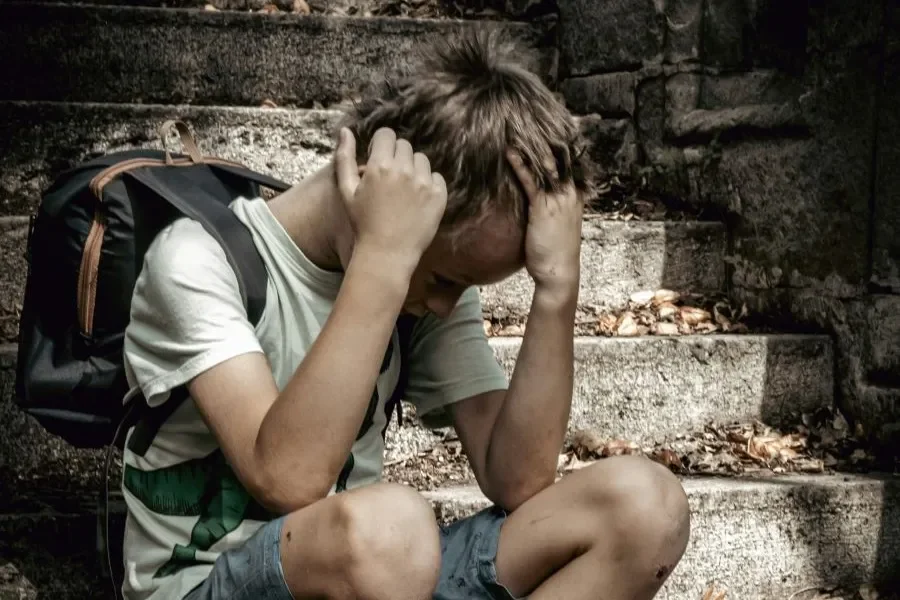
Foto: Richard Stachmann | Unsplash
Aggressive behaviour, truancy and psychological strain are becoming increasingly common at schools in the Czech Republic – particularly at primary schools, but also at secondary institutions.
Problematic behaviour at schools in the Czech Republic is clearly on the rise. According to a report by the news portal Novinky.cz, cases of hostile behaviour towards classmates, verbal aggression directed at teachers and truancy have increased mainly at primary schools. Secondary schools have been struggling with similar issues for years, with a notable rise in cyberbullying and verbal attacks – both against teaching staff and among pupils.
During the 2023/2024 school year, more than 56 per cent of primary schools inspected by the Czech School Inspectorate (ČŠI) had to deal with violence or aggressive attacks against classmates. This represents an increase of 15 per cent compared with the previous year.
According to the ČŠI, a particularly worrying trend can be observed in the area of mental health. Cases of self-harm were identified in almost half of all primary schools. Nationwide, around 17 per cent of young people aged between eleven and 21 show a tendency towards self-harm. In this context, girls are hospitalised four times more often than boys.
Experts say that a safe and supportive school environment is crucial for good education and healthy personal development. This includes open communication and cooperation between pupils, teachers and parents.
The School Inspectorate also stepped up inspections at secondary schools in the 2023/2024 school year. The focus was on cyberbullying, verbal aggression and problematic use of digital technologies. Around half of the schools worked with school psychological counselling services to address behavioural issues. However, their staff point out that many young people lack the necessary support from their family environment.