Dukovany and Temelín Nuclear Power Plants Generate More than 32 Terawatt-Hours of Electricity in 2025
This amount roughly corresponds to the electricity consumption of the entire Czech Republic for six months
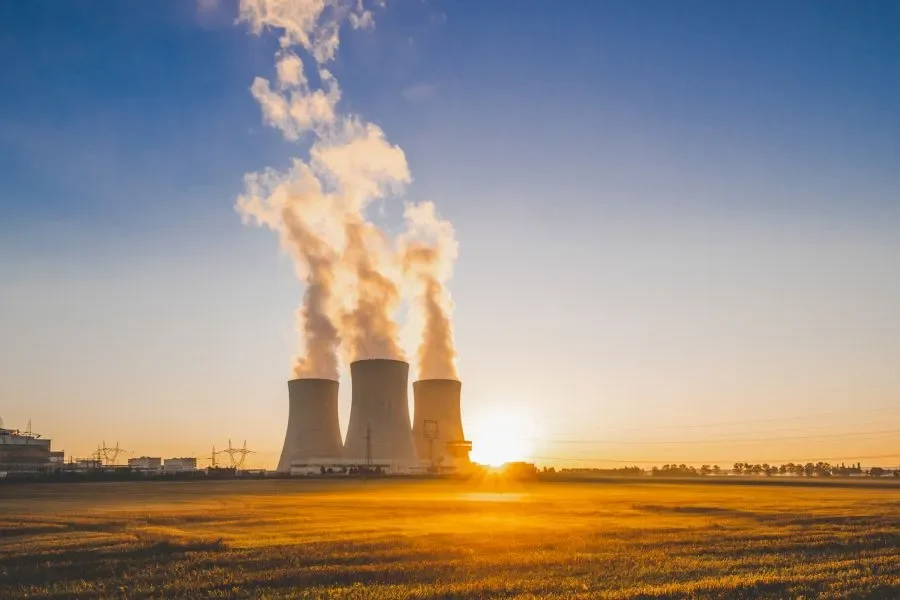
Foto: Temelín | ČEZ
Dukovany and Temelín together produced more than 32 terawatt-hours of electricity in 2025. The two nuclear power plants thus remain central pillars of the Czech electricity supply. Modernisations ensure their continued operation.
In 2025, the Dukovany and Temelín nuclear power plants jointly produced a total of 32.066 terawatt-hours of electricity. This roughly corresponds to the electricity consumption of the entire Czech Republic for half a year. Due to planned shutdowns for fuel replacement, electricity generation will be slightly lower this year. In the long term, however, the energy company ČEZ expects the average annual output to stabilise at around 32 terawatt-hours by the end of the decade.
The share of nuclear energy in Czech electricity consumption has steadily increased in recent years. At the same time, the Dukovany and Temelín plants are continuously being modernised. The aim of these measures is to secure long-term operation while further increasing safety and efficiency.
“Reaching 32 terawatt-hours from our nuclear power plants is a target we have been working towards for several years,” explains ČEZ Chairman and CEO Daniel Beneš. A key factor was the extension of fuel cycles. In addition, ČEZ has consistently utilised the possibility of increasing the plants’ output within safety limits. “In effect, we have created an additional nuclear power plant block,” says Beneš.
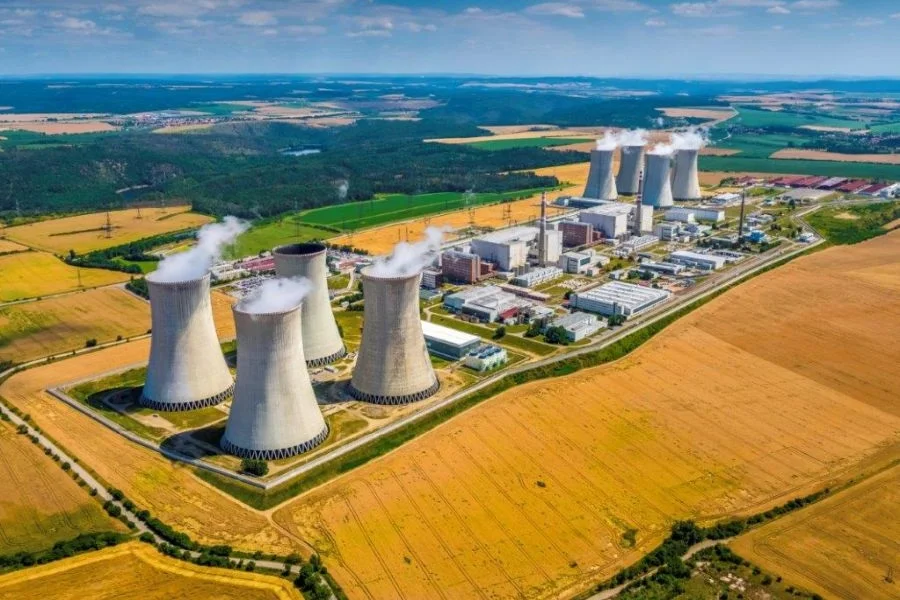
All six Czech reactor units now have a total installed capacity of 4,220 megawatts of electricity – around 500 megawatts more than at the time they were commissioned. The Dukovany plant is already operating fully on the extended 16-month fuel cycle. Temelín is expected to complete the transition to longer operating intervals between fuel changes during this year.
Shutdowns Affect Annual Output
Future electricity generation will largely depend on the duration and sequence of planned shutdowns, according to ČEZ. These shutdowns are not only for fuel replacement but also for comprehensive safety inspections, maintenance work, and plant investments.
“Due to the adjustment of fuel cycles, there are more shutdowns this year than last, which will have a corresponding impact on production figures,” explains Bohdan Zronek, board member and head of the Nuclear Energy Division. For 2026, ČEZ therefore expects lower electricity output but aims for an average annual production of over 32 terawatt-hours by the end of the decade.
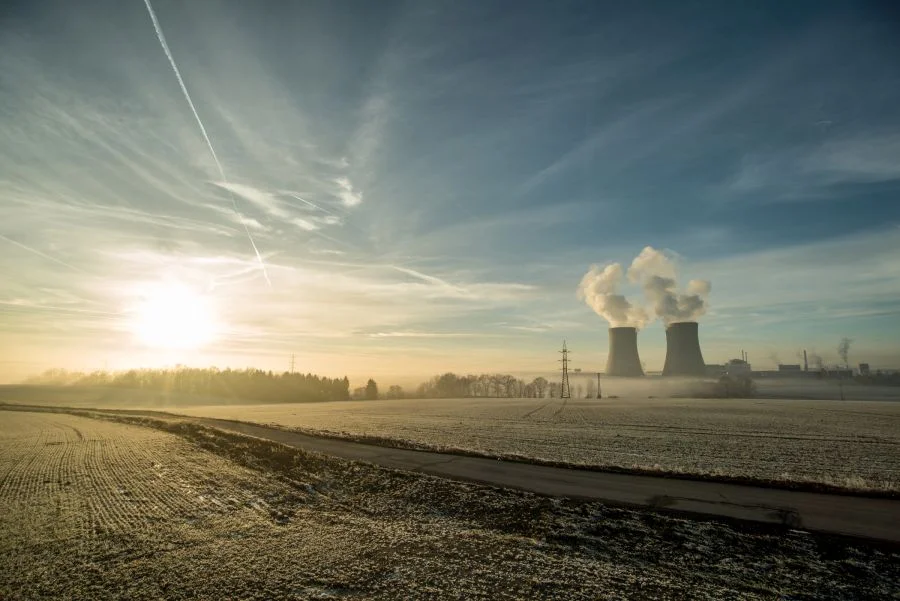
Currently, five of the six Czech reactor units are in operation. The scheduled long-term shutdown of the first Dukovany unit began on 13 December and is expected to end in February. The shutdown of the second reactor unit at Temelín is also planned for the same month.
For the long-term operation of both nuclear power plants, ČEZ invests an average of around seven billion Czech koruna per year. The Dukovany and Temelín nuclear power plants are considered fundamental pillars of the Czech Republic’s stable, emission-free electricity supply. Their operation avoids around 20 million tonnes of CO₂ emissions each year.
Tags
More from Business