
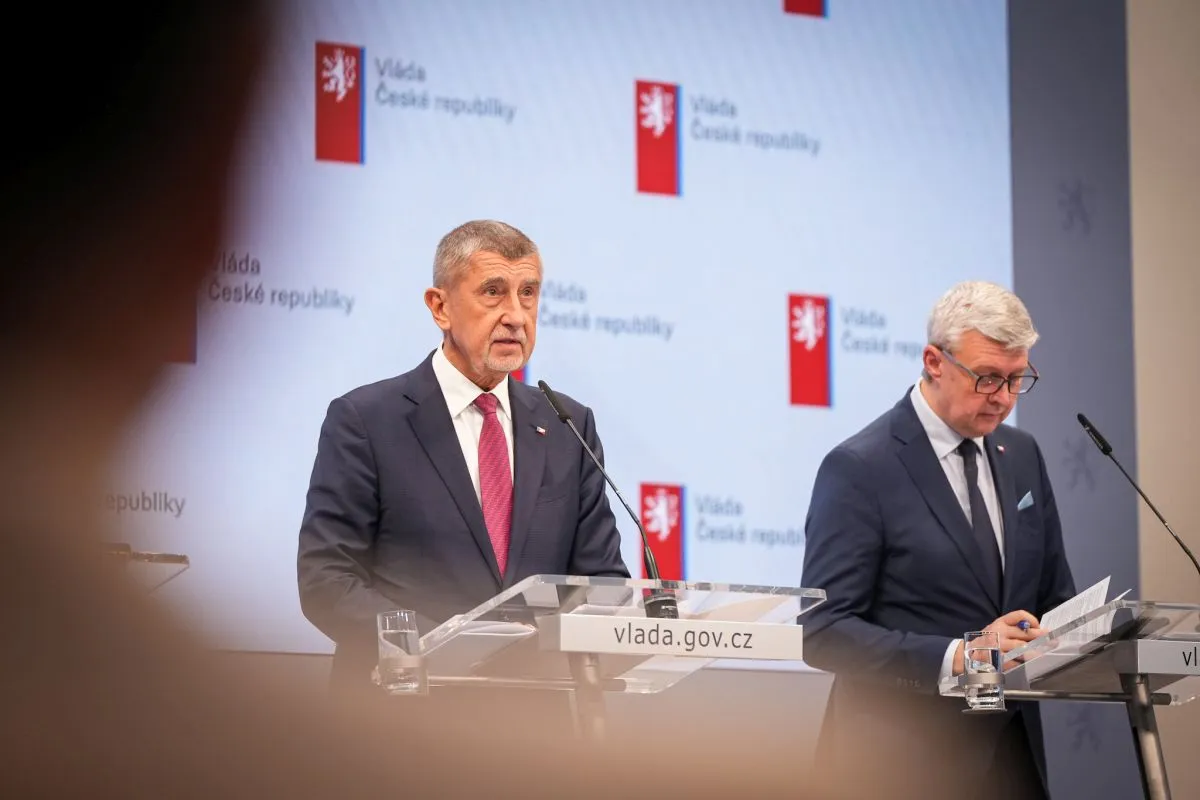
Political Restart in the Czech Republic: New Government Adopts Policy Agenda
Initial measures were already implemented at the inaugural session, including the rejection of the new EU Emissions Trading System ETS 2 and the European Migration Pact
Foto: Vláda České republiky
With the adoption of its government programme, the new government under Andrej Babiš has begun 2026. Several legislative reforms were the focus of the first session of the year.
The new government under Andrej Babiš convened on Monday, 5 January 2026, for its first session of the new year. During the meeting, the cabinet adopted its government programme. In addition, the government discussed an amendment to the Road Traffic Act as well as a draft bill on public service reform.
The aim of the Babiš government is to develop the Czech Republic into a country where achievement is rewarded, young people can plan their future, families can find affordable housing, and seniors can live with dignity. At the same time, all citizens should have access to high-quality public services. These guiding principles form the core of the newly adopted programme statement, which sets out specific priorities and measures, according to a government press release.
Prime Minister Andrej Babiš announced that the implementation of the programme would be regularly reviewed. “As is customary, we will probably evaluate our programme every six months and be accountable to all citizens,” Babiš said. The goal is to make the Czech Republic one of the best places to live worldwide. This does not mean that the country is not already a good place to live – “but it can be even better,” added the Prime Minister.
Babiš had already presented the draft government programme on 31 October last year. According to the government, initial measures were implemented during the inaugural session, including the rejection of the new EU Emissions Trading System ETS 2 and the European Migration Pact. In addition, steps were taken to reduce electricity prices for households and businesses. The programme statement will now be submitted to the Chamber of Deputies, which is scheduled to vote on confidence in the government on 13 January.
Furthermore, the cabinet supported a draft for a new Civil Servants Act, which is intended to replace the existing regulations. The current legal framework from 2014 has proven too bureaucratic in practice, Babiš explained. The aim of the reform is to make the public service more flexible and to facilitate the recruitment of professionals from the private sector.
Another topic at the session was an amendment to the Road Traffic Act to implement a new EU directive. This includes the introduction of intelligent transport systems and expands the requirements for collecting and providing traffic data. In total, 27 categories of data are to be collected and made accessible via the existing nationwide traffic information system.
The government also addressed a report on money laundering for the years 2020 to 2024, which identified further action required to combat money laundering. The cabinet tasked the head of the Financial Analysis Office with presenting proposals for legislative changes, including measures to improve the recovery of illegally acquired assets.
More from Politics & Education

Large demonstration on Prague’s Letná: Up to 400,000 participants expected on Saturday

From Banking to Classrooms: How Dana Robertson Built Victoria School Prague