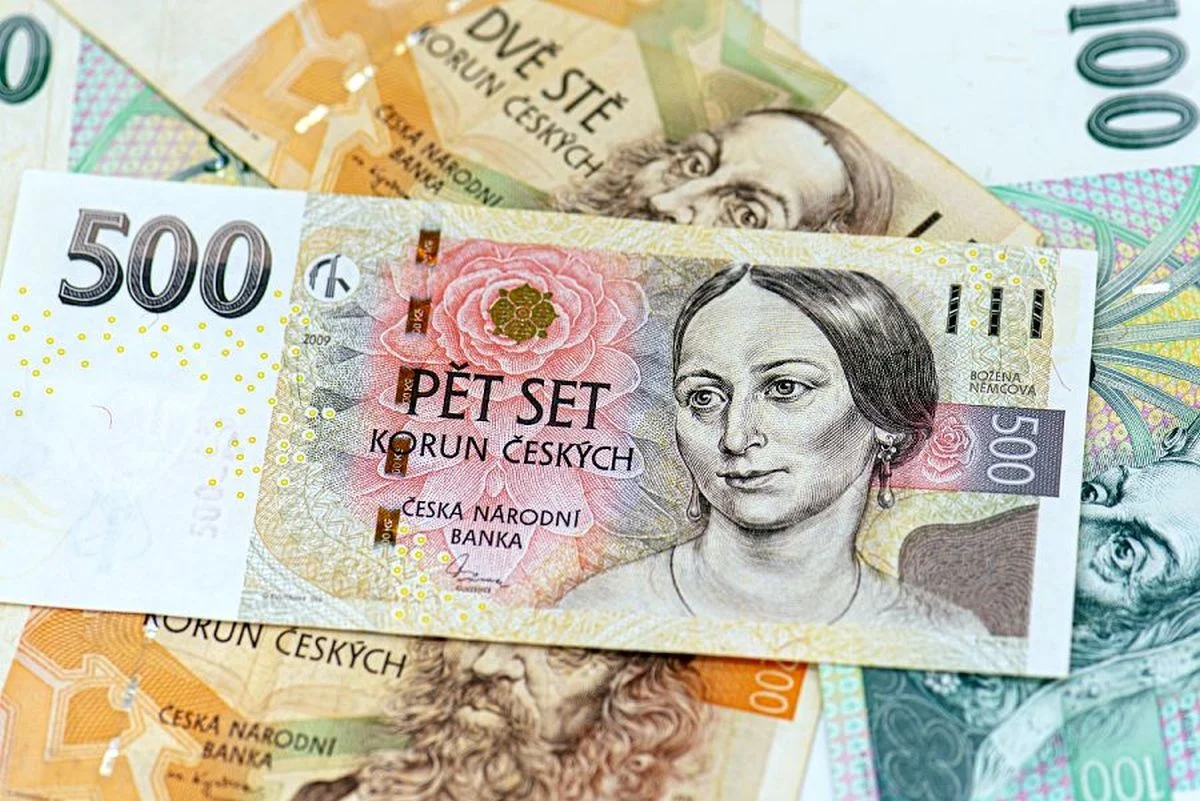
Inflation in the Czech Republic Rises Slightly in 2025
Analysts expect a moderation of inflation in the current year
Foto: Freepik
Inflation in the Czech Republic rose slightly in 2025, averaging 2.5 % over the year. Services and housing costs were the main drivers of price increases. Analysts expect a moderate easing of price growth in 2026.
The average inflation rate in the Czech Republic increased slightly in 2025 to 2.5 percent, up from 2.4 percent the previous year. While goods prices rose only moderately by 1.1 percent, services became significantly more expensive, increasing by 4.7 percent, according to recent data from the Czech Statistical Office (ČSÚ).
Analysts attribute the slight rise in annual inflation primarily to higher food prices. At the same time, the strong increase in service costs remains a key concern.
Over the course of 2025, the inflation rate mostly ranged between two and three per cent. April was an exception, at 1.8 percent. Inflation peaked in June at 2.9 percent.
In December 2025, prices fell by 0.3 % compared with the previous month. The decline was mainly driven by lower prices for food and non-alcoholic beverages. On an annual basis, consumer prices in December rose by 2.1 %, the same rate as in November.
Analysts Expect Lower Inflation in 2026
For the current year, analysts anticipate a moderation of inflation. Falling food prices at the start of the year, along with lower electricity costs, could ease price pressures, potentially bringing the rate below the central bank’s two‑per‑cent target. Despite this, experts do not expect any change to interest rates. Inflation risks in the service sector and the strong rise in real wages continue to support a cautious approach by the Czech National Bank.
After a slight rise in inflation last year, analysts expect price growth to ease in 2026. Falling food prices and lower electricity costs could slow inflation, while the central bank is likely to maintain its cautious monetary policy.
More from Business
Electromobility: Škoda Auto Opens New Battery Production Hall in Mladá Boleslav
Space Shortage in Prague: Less Mess Storage Has the Solution