
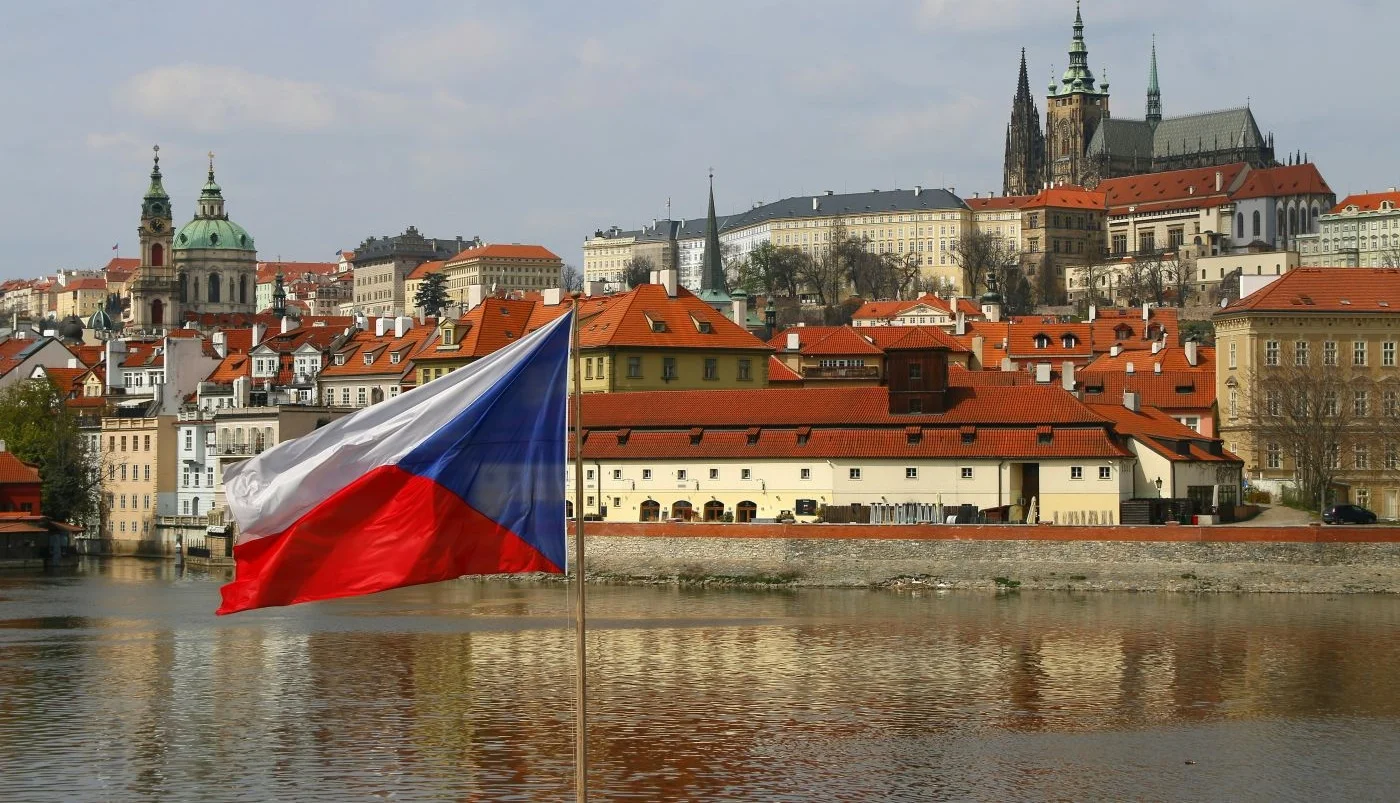
New Commemorative Day Planned in the Czech Republic: Day of the Czech Flag
The new commemorative day is intended to mark 30 March 1920 – the date on which the then Czechoslovak, now Czech, flag was officially enshrined in law
Foto: Radek Kozák | Unsplash
The Czech government has given the green light for the introduction of a new significant commemorative day. In future, 30 March is to be observed as the Day of the Czech Flag, commemorating the legal enshrinement of the national symbol in 1920.
The government of Prime Minister Andrej Babiš met on Monday, 19 January 2026, at the Straka Academy for its regular session. The agenda included, among other items, a parliamentary proposal to introduce a new commemorative day – the Day of the Czech Flag (den české vlajky) – as well as another legislative proposal to amend the Packaging Act.
30 March could in future be observed as a significant commemorative day. The Cabinet supported a corresponding proposal to amend the Act on Public Holidays, Other Holidays, Significant Days and Non-Working Days. The proposal was submitted by Prime Minister Andrej Babiš in his capacity as a member of parliament. The new commemorative day is intended to mark 30 March 1920 – the date on which the then Czechoslovak, now Czech, flag was officially enshrined in law.
“I hope that in future we will show greater appreciation for our state symbols and our history. I am pleased that the government has supported the proposal today, and I am convinced that the Chamber of Deputies will also approve it,” Babiš stated after the session.
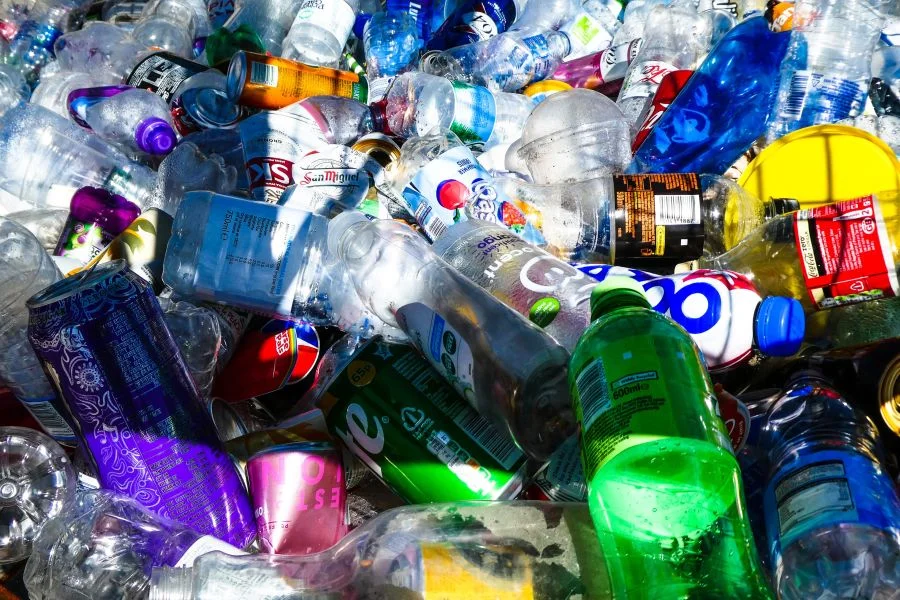
Foto: Nick Fewings | Unsplash
New Government Opposed to Introducing a Deposit System for Plastic Drink Bottles and Cans
In addition, the government considered a legislative proposal from a group of opposition MPs to introduce a deposit system for plastic drink bottles and cans. The Cabinet adopted a negative stance on this initiative. According to the government’s assessment, such a system would not add value.
“We have a functioning and efficient system of waste separation. In facilities such as OZO Ostrava, up to 90 per cent of plastics can be sorted – more than would be achieved through a deposit system. Such a step would therefore be a regression and, moreover, an unnecessary burden for citizens. Instead, we should further develop the existing system,” explained the Prime Minister.