

Over 200 Women in the Czech Republic Die from Cervical Cancer Each Year: Prevention Can Save Lives
In addition to vaccination, annual gynaecological check-ups are crucial to prevent the disease
Foto: Freepik
Over 200 women die each year in the Czech Republic from cervical cancer – prevention through vaccination and check-ups can save lives.
Every January, the issue of cervical cancer is highlighted worldwide – a type of cancer that we can effectively prevent thanks to modern preventive measures such as vaccination and organised screening. In the Czech Republic, nearly 760 women are diagnosed each year, and over 200 die from the disease. The awareness campaign “Show Cancer the Back” (Ukaž rakovině záda) by the Czech Ministry of Health, in cooperation with the National Institute of Public Health and the National Screening Centre, reminds people that early measures can save lives.
The cause of up to 99 % of cases is an infection with the human papillomavirus (HPV), one of the most common sexually transmitted infections. HPV can, in addition to cervical cancer, also cause other cancers such as anal, genital, or head-and-neck tumours, as well as genital warts. Around 80 % of people come into contact with the virus at some point in their lives. In most cases, the immune system combats the infection, but in some cases precursors remain, which can lead to cancer.
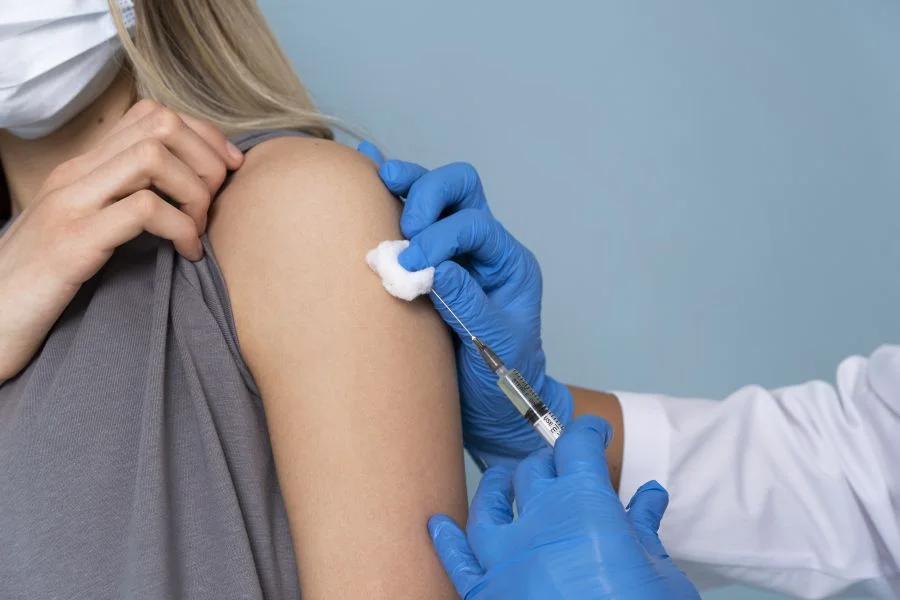
Foto: Freepik
The most effective protective measure against HPV is vaccination. It protects against the most high-risk virus types, is safe, has been tested over many years, and is considered one of the most effective preventive strategies. In addition to cervical cancer, HPV also causes, for example, head-and-neck tumours in men, which have increased in recent years. In 2023, over 2,000 new cases were diagnosed, with over 800 patients dying from the disease. In the Czech Republic, HPV vaccination is covered by statutory health insurance for girls and boys between the ages of 11 and 15.
In addition to vaccination, annual gynaecological check-ups are crucial. These also include screening tests to detect possible precursors early. Women receive cytology tests, and at the ages of 35, 45, and 55, special HPV DNA tests are additionally provided. Karel Hejduk from the National Screening Centre explains: “Screening is the most effective means of preventing advanced stages of cervical cancer. In the age group 25 to 59, around 60 % of women participated last year. Over a three-year period, participation rose to around 80 %. Nevertheless, around 20 % remain unscreened and have a higher risk. After the age of 60, participation declines, even though the risk of disease increases. The campaign ‘Show Cancer the Back’ targets women of all ages to encourage them to attend check-ups.”
The Ministry of Health intends to continue supporting all measures to combat cervical cancer. The National Vaccination Strategy includes the development of a plan to reduce HPV-related diseases. The aim is to bring the Czech Republic closer to countries such as Sweden, where cervical cancer has already been almost eliminated in some regions.
Comprehensive information on prevention is available on the National Health Information Portal NZIP at Rakovina děložního čípku: prevence | NZIP (CZ) as well as the screening programme at cervix.cz (ENG).