
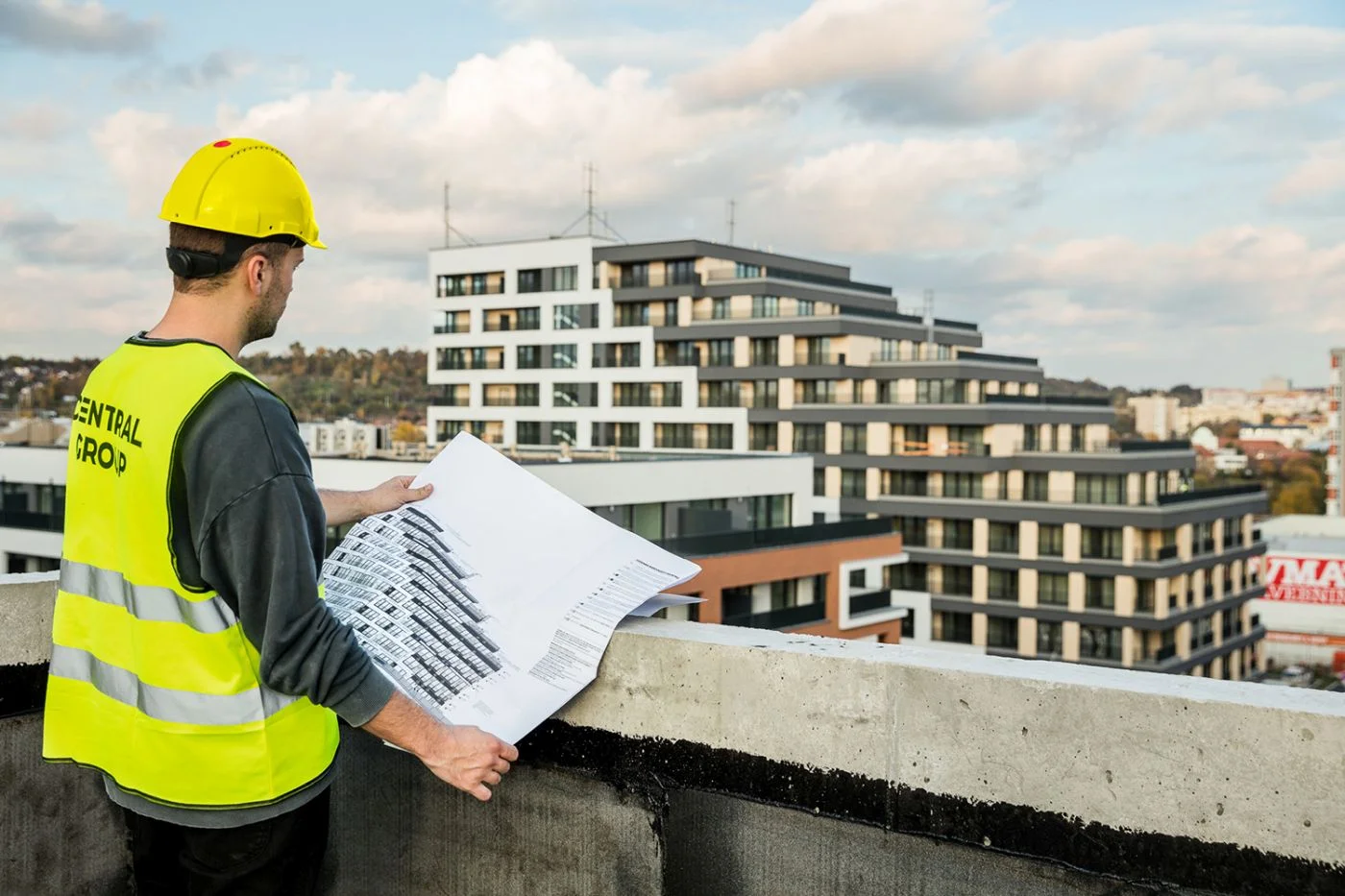
New Apartments in Prague: Prices Rise, Supply Continues to Fall
Demand for new apartments fuelled in part by lower mortgage rates
Foto: Central Group
The Prague housing market continues to be in flux: prices for new apartments are rising to record levels, while supply continues to shrink. Experts warn that high demand will continue to put significant pressure on the market.
The Prague housing market experienced a record year in 2025. In total, 7,800 new apartments changed ownership – an increase of around 8 percent compared with the previous year. At the same time, prices reached historic highs, approaching 180,000 CZK per square metre. Supply, on the other hand, fell by 10 percent year-on-year and still falls far short of meeting market demand. This is according to an analysis by developers Central Group, Skanska, and Trigema.
Demand for new apartments has been fuelled, among other factors, by falling mortgage rates of around 4.5% and a high volume of mortgages granted, totalling 321 billion CZK. Uncertainty in the stock markets as well as deferred demand from 2022–2023 also contributed to strong buying interest. Two-bedroom apartments (2+kk) and studio flats (garsonièren) remain particularly sought after.
“The sale of almost 8,000 apartments is an absolute record, yet the market is being held back by persistently problematic planning approval processes and sharply rising construction costs,” commented Dušan Kunovský, CEO of Central Group.
Prices Reach New Highs – Up 11 Percent
In the fourth quarter, the rise in average prices for new apartments continued. Asking prices increased to an average of 177,631 CZK/m², up 9 percent year-on-year. Actual selling prices climbed even further to 174,375 CZK/m², an increase of 11 percent.
Most sales were recorded in Prague 9, accounting for around 23% of all new apartment sales in the capital. The lowest average prices were also in Prague 9 (approximately 163,000 CZK/m²), while the highest were in Prague 2 (over 233,000 CZK/m²).
The insufficient development of supply is further exacerbated by slow approval procedures and delays in the digitalisation of construction. According to statistics, only 5,280 new apartments were approved between January and November 2025 – a decline of almost 17% compared with the previous year. Experts do not expect relief in 2026 either: only after adjustments to the new Building Act and the Metropolitan Plan from 2027 could the imbalance between demand and supply ease somewhat.
More from Real Estate

Mortgage Rates in the Czech Republic Fall to Lowest Level Since Spring 2022

ČSOB Housing Index: Property Prices in the Czech Republic Rise Significantly in 2025