
STEM Survey: Most Czechs Want to Stay in the EU Despite Criticism
The proportion of EU sceptics in the Czech Republic has declined in recent years and is now back at the level of 2019
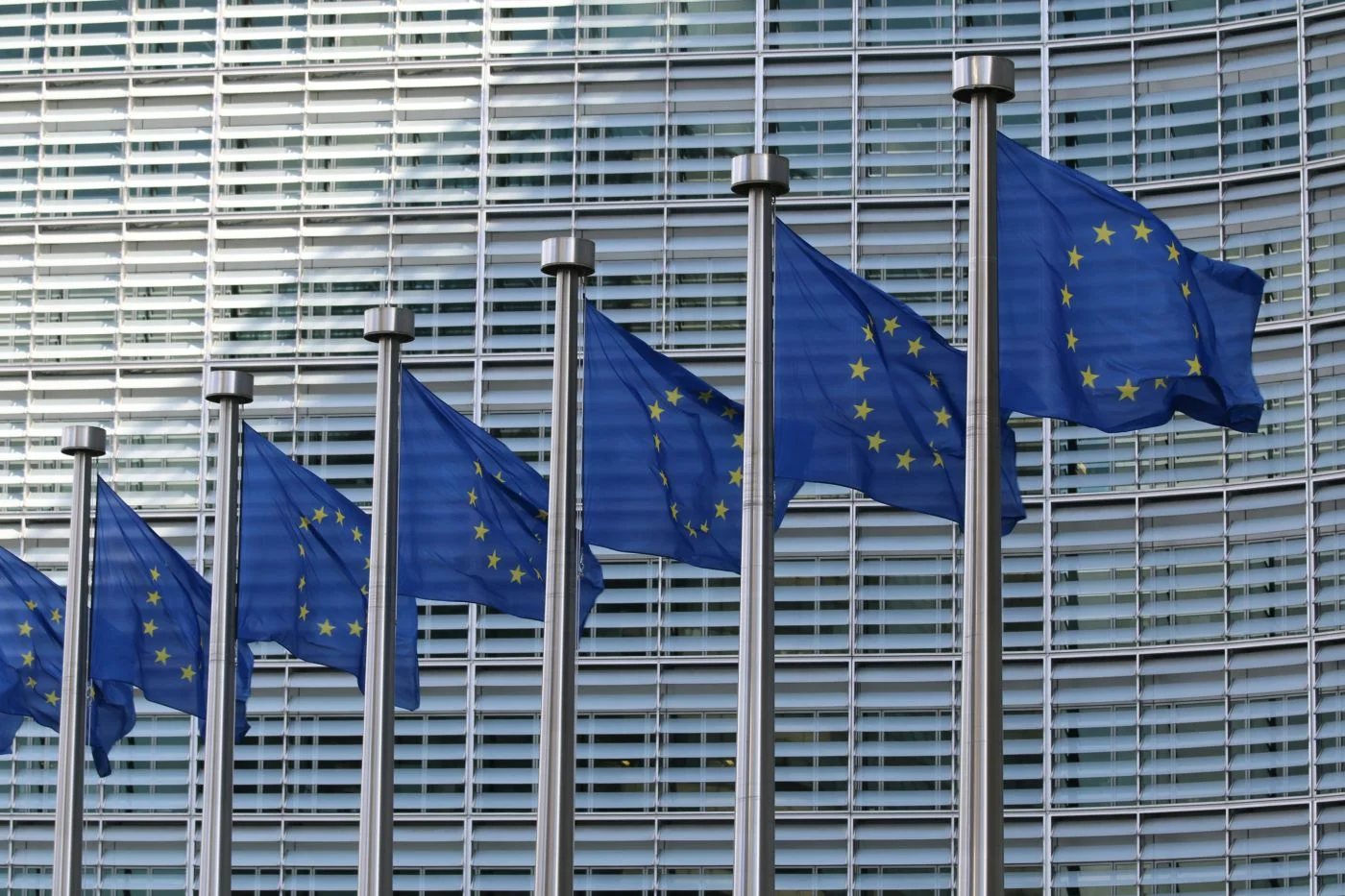
Foto: Guillaume Périgois | Unsplash
Following the parliamentary elections last October, a trend is emerging: more and more Czechs do not want to leave the European Union, while the number of those satisfied with membership is rising.
According to a comprehensive survey by the STEM Institute, conducted in October 2025 on behalf of the European Commission Representation in the Czech Republic, EU bureaucracy continues to be seen as the main obstacle to economic growth. Approval for the introduction of the euro as the Czech currency remains equally low.
The recent parliamentary elections have changed public sentiment. Pro-European groups, in particular, were able to gain ground – an effect that analysts attribute to the relatively non-contentious election campaign. The trend is driven especially by the low willingness to leave the EU and growing satisfaction with membership. On many detailed issues, however, the public remains critical. “It is important to remember that the policies of the new government and its relationship with the EU are yet to be fully formed. How strongly the government criticises the EU or comes into conflict with European institutions will be decisive in determining whether the pro-European boost in sentiment is only temporary,” explains STEM analyst Martin Kratochvíl.
Proportion of EU Sceptics in the Czech Republic Has Declined
The proportion of EU sceptics in the Czech Republic has fallen in recent years and is now back at the level of 2019, when the economy was flourishing. At the same time, overall satisfaction with EU membership is approaching its highest level since the two biggest setbacks of the past decade – first the economic crisis, later the migration crisis.
Interestingly, significantly more Czechs feel European than actually express sympathy for the EU. Around 70 % of respondents identify as Europeans, yet roughly seven percentage points fewer would vote to remain in the EU, and satisfaction with membership is reported as ten percentage points lower.
Despite growing support for staying in the EU, the Czech public remains critical of the Union and how it functions. The greatest obstacles to economic growth continue to be cited as the EU’s inertia, bureaucracy, and dense regulations. “Criticism does not come only from opponents; even supporters see problems. However, their critique shows that they care about the EU and want it to function better. Sceptics, by contrast, often doubt the purpose of the European project as a whole,” Kratochvíl concludes.
More from Politics & Education

Large demonstration on Prague’s Letná: Up to 400,000 participants expected on Saturday
From Banking to Classrooms: How Dana Robertson Built Victoria School Prague