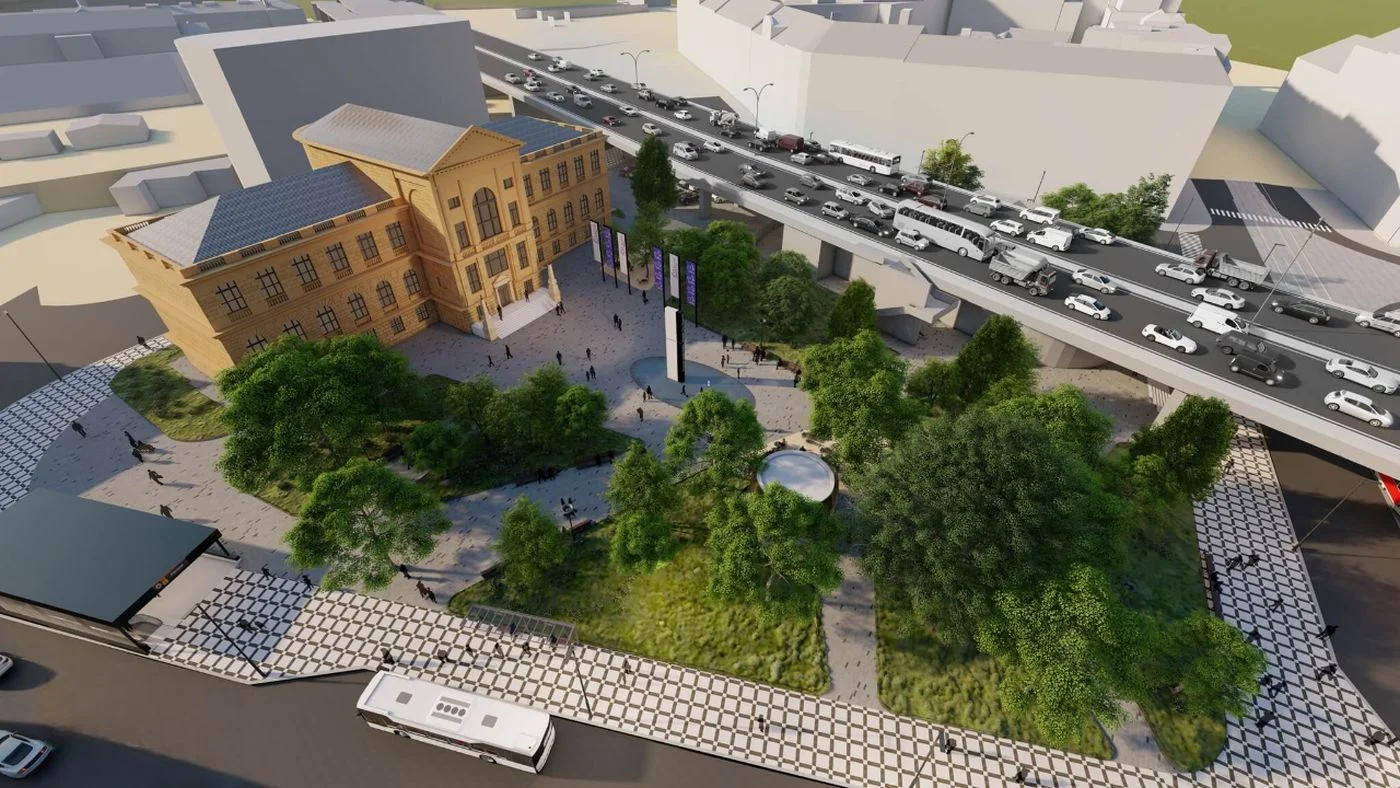
Prague’s Architecture in Transition: Exhibition “DEVADE” Puts the 1990s in Focus
The exhibition at CAMP shows how the transformative years permanently changed Prague’s cityscape
Foto: IPR Praha
Between the euphoria of new beginnings and architectural self-display: a new exhibition at Prague’s CAMP examines the 1990s – a decade that left a lasting mark on the city’s appearance.
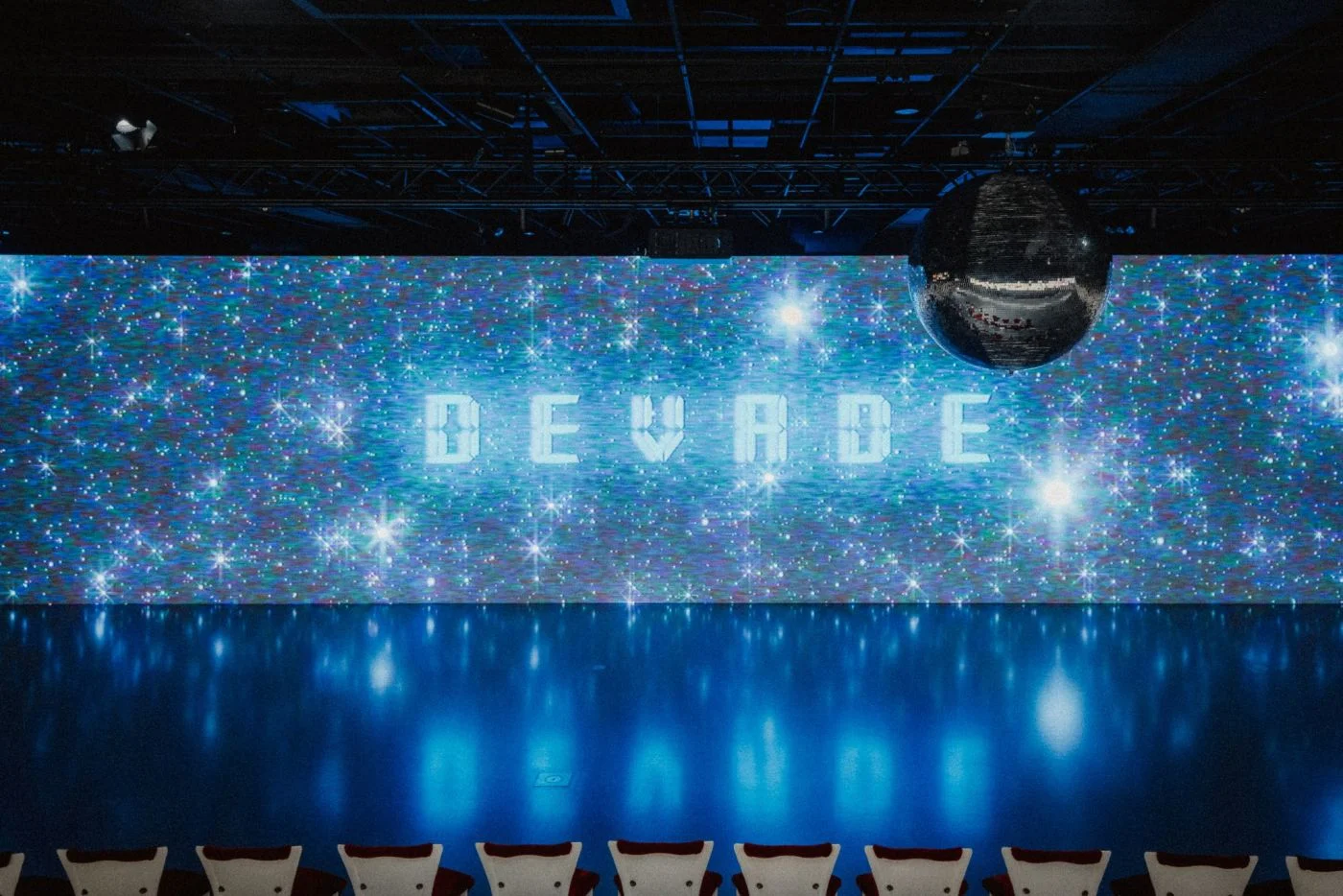
The 1990s are regarded as a period of renewal – marked by enthusiasm, new freedoms, and a deliberate break with old conventions. This mood was also reflected in architecture. While experts today emphasise a return to clear proportions, high-quality materials, and a considered architectural approach, at the time bold forms, golden details, and openly displayed wealth predominated. These two poles form the framework of the exhibition DEVADE – Architecture of Prague Between Discipline and Glamour, on display until 17 May 2026 at the Centrum architektury a městského plánování (CAMP).
The exhibition focuses on buildings constructed in Prague between 1989 and 2004, tracing the profound changes of these years. It examines not only architectural trends but also the altered conditions: the reorganisation of professional associations, the influence of political actors, the rise of DIY stores, and the growing impact of private investors.
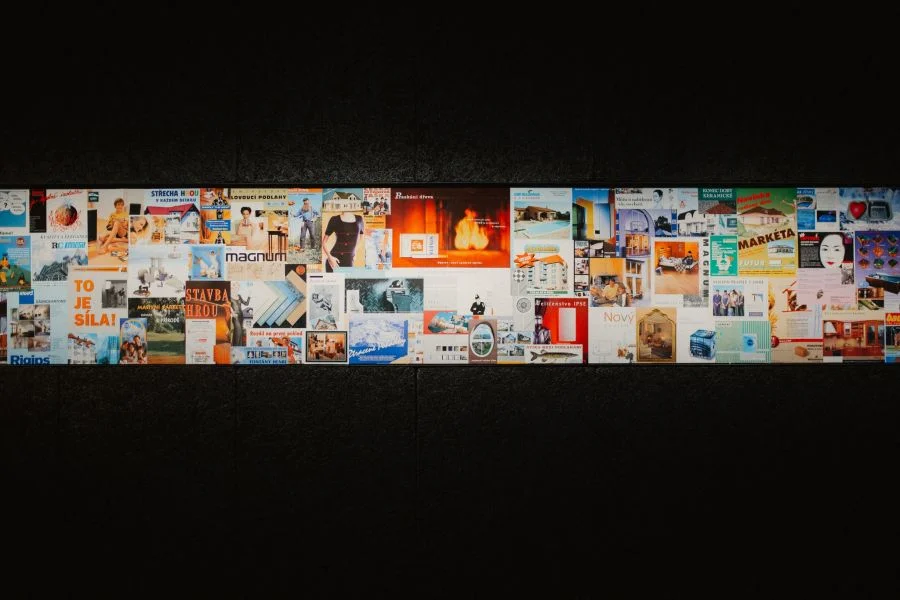
Foto: IPR Praha
While recent years have seen a re-evaluation of architecture from the 1960s to the 1980s, the period immediately following the end of communism is now coming into focus. The 1990s were a dynamic, sometimes contradictory decade – yet architecturally long underestimated.
Two clearly discernible directions shaped the cityscape architecturally: on one side, a “discipline” inspired by interwar modernism and functionalism; on the other, a playful, sometimes demonstrative postmodernism of Western influence – with expressive forms and representational gestures. With the country opening up, international influences, new technologies, and foreign capital flowed into Prague. Numerous architecture firms that are now well-established emerged, international investors discovered the location, and renowned architects such as Frank Gehry, Jean Nouvel, and Ricardo Bofill left visible marks on the cityscape alongside Czech colleagues.
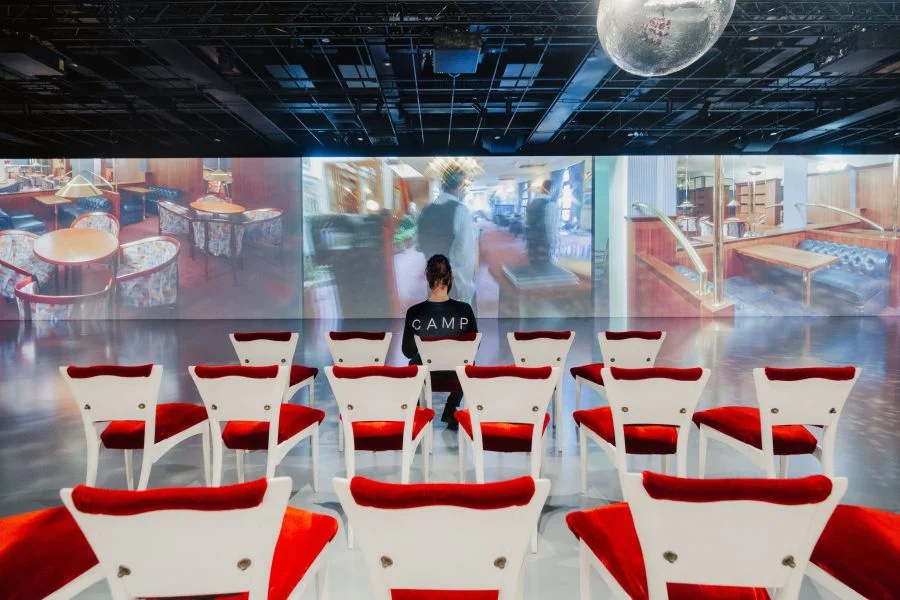
Foto: IPR Praha
The exhibition presents a selection of influential buildings from this period and places them in their social context. Its aim is not to glorify or condemn the era but to understand it in a nuanced way. The architecture of the 1990s was intellectually more diverse and stylistically broader than long assumed – and forms a key to understanding the post-socialist transformation of the Czech capital.
Examples on display include the iconic Dancing House, the controversially discussed Hotel Don Giovanni Prague, the Hilton Prague, the Výstaviště Praha complex with its pavilions, as well as prominent infrastructure projects such as the above-ground section of Metro Line B. The selection is complemented by bank buildings, residential complexes, shopping centres, and private housing projects, which complete the multifaceted picture of those years.
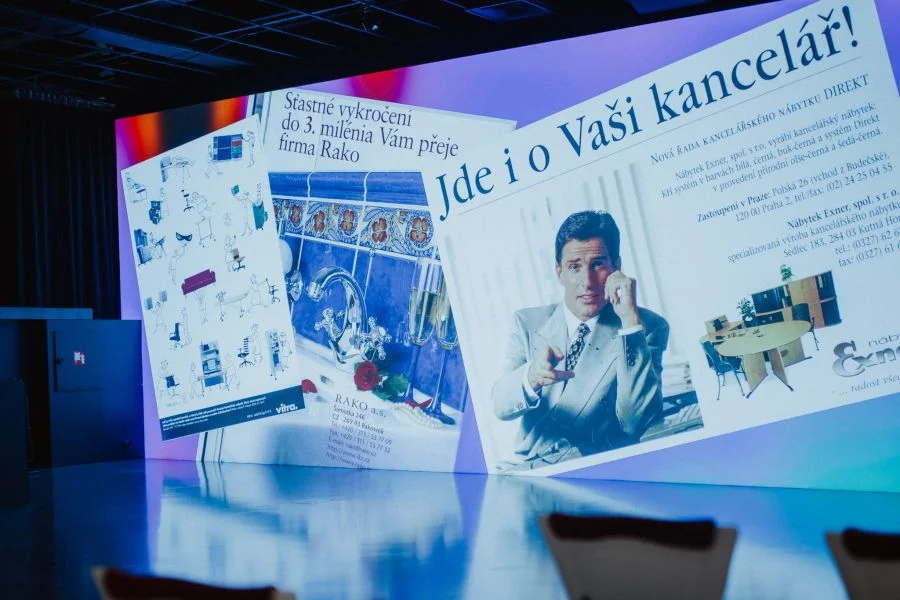
Foto: IPR Praha
In addition to architectural models and historical photographs, the exhibition also incorporates multimedia elements. Archive material from Česká televize, photos, and sometimes ironic retrospectives on the 1990s convey the atmosphere of an era between innovation and excess.
With DEVADE, it becomes clear: anyone seeking to understand current debates on urban development cannot ignore the 1990s. Decisions made then continue to resonate today – both in the cityscape and in planning for the future.
Tags
More from Culture & Entertainment
Hollywood Vampires to Rock Prague’s Sportovní Hala Fortuna in September
Australian Stand-Up Comedian Thomas Green to Bring His Brainstorm Tour to Prague’s Rock Café in September