Hospitals in the Czech Republic Warn of Shortages in Blood Donations: Up to 100,000 Voluntary Donors Missing
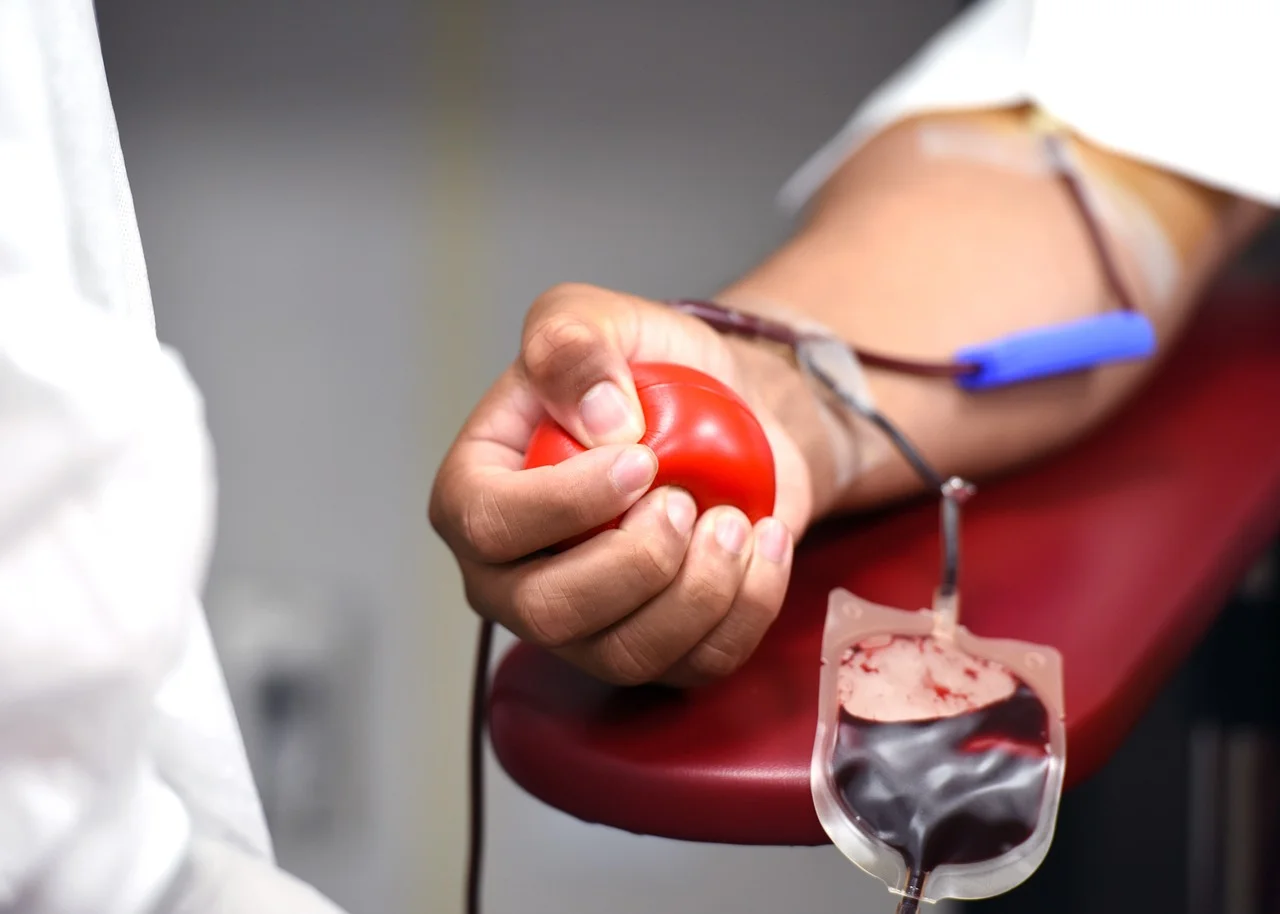
Blood can be donated in almost every district town
Foto: Michelle Gordon | Pixabay
Hospitals in the Czech Republic are sounding the alarm: the donor base is ageing rapidly, while interest among young first-time donors is noticeably declining. Every year, the number of donors falls – mostly for reasons of age.
Czech hospitals see the supply of blood donations increasingly under pressure. Donor registers are ageing, while significantly fewer young people are donating blood for the first time. At the same time, the influence of commercial plasma centres offering financial compensation is growing.
“We would need to expand our register by around six thousand regular donors,” said Daniela Dušková, head of the transfusion department at the Všeobecná fakultní nemocnice v Praze, speaking to the news portal Novinky.cz. Nationwide, between 80,000 and 100,000 voluntary, unpaid blood donors are missing in the Czech Republic.
The shortage is particularly acute among young people. Every year, hundreds of donors are lost irreversibly – mostly due to age, health problems or relocation. This is making it increasingly difficult for clinics to maintain stable stocks of blood and transfusion products.
A similar development has also been reported by the Fakultní Thomayerova nemocnice in the Prague district of Krč. “Our donor register is getting older and at the same time smaller. Only a few young donors are coming forward,” spokesperson Petr Sulek told the news portal. Those born after 2000 are fewer in number and cannot replace donors who are leaving due to age.
The hospital’s transfusion department supplies not only its own facility but also the neighbouring Institut klinické a experimentální medicíny (IKEM), where demand is particularly high. “We are managing to ensure everything, but only with difficulty and in cooperation with hospitals outside Prague,” Sulek admitted.
A similar picture is emerging in Central Bohemia. The head of the haematology and transfusion medicine department at Mladá Boleslav Hospital confirmed a nationwide downward trend in donations, particularly among young first-time donors. Current demand can still be met, but the development is causing concern.
One possible factor is the rise of commercial centres for paid plasma donations. While it is becoming increasingly difficult to secure traditional blood products for patients in Czech clinics, the Czech Republic is highly successful in collecting plasma for industrial processing. According to experts, three to four times as much plasma is collected as would be necessary for domestic needs.
Blood can be donated in almost every district town. A prior examination by a GP is not required; all necessary steps are carried out directly on site. Further information can be found on the website (CZ) of the Czech Red Cross.