EET 2.0: Czech Ministry of Finance Plans Restart of Electronic Sales Registration from 2027
The new approach builds on experience with the previous system while also taking into account the technological progress of recent years
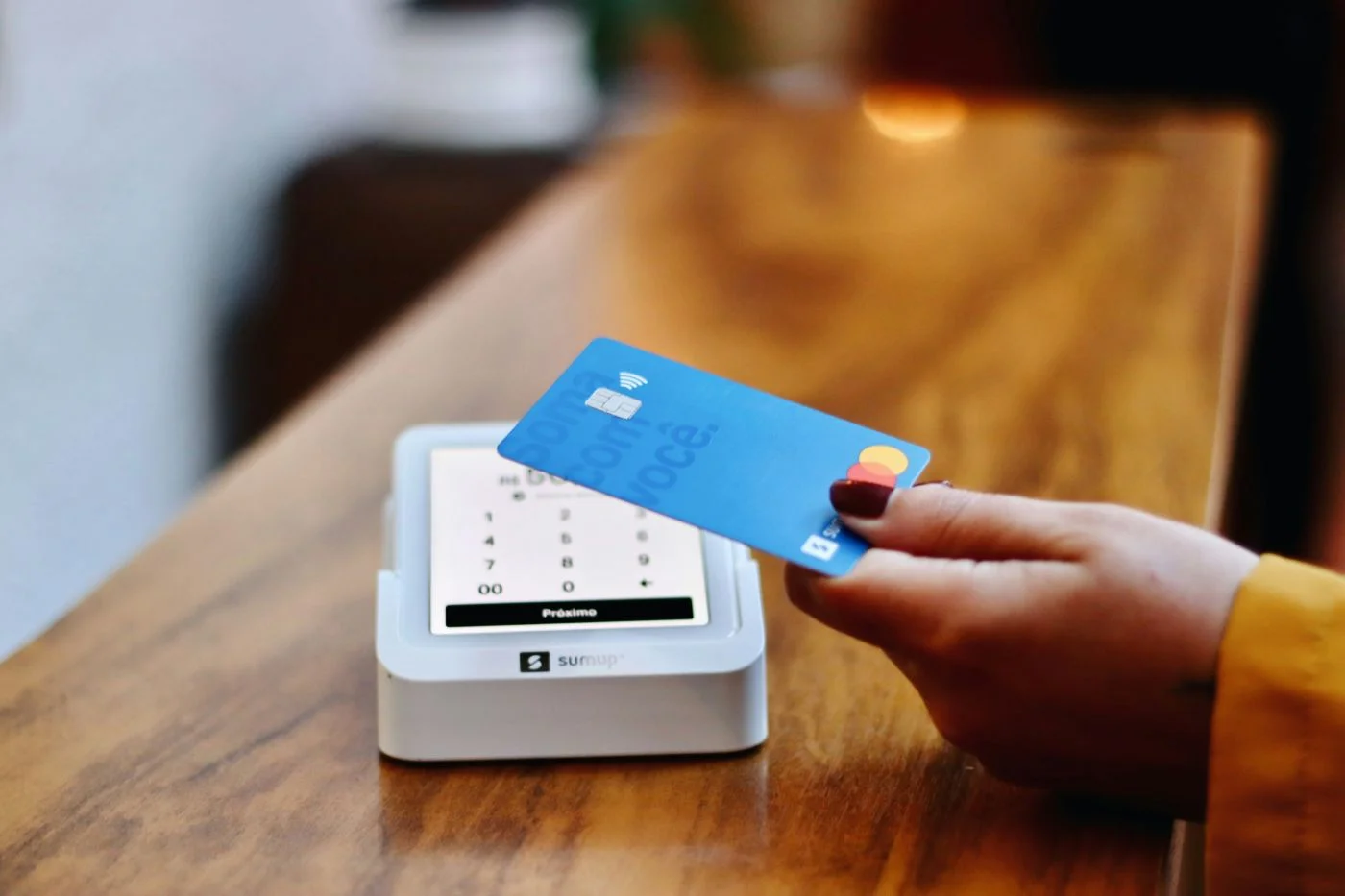
Foto: Nathana Rebouças | Unsplash
The Czech Ministry of Finance is launching a new attempt at electronic sales registration with EET 2.0. From 2027, a modernised, technically simplified system is intended to ensure greater fairness in competition and more efficient tax collection.
The Ministry of Finance is submitting a draft bill for the consultation process that would introduce a modernised system of electronic sales registration – EET 2.0 – from 1 January 2027. The new approach builds on experience with the previous system while also taking into account the technological progress of recent years, particularly in digital forms of payment. According to the ministry, the aim is to ensure fair competitive conditions and to create a technically simple, user-friendly instrument for the tax administration. In January 2027, the system is to begin with a voluntary pilot phase.
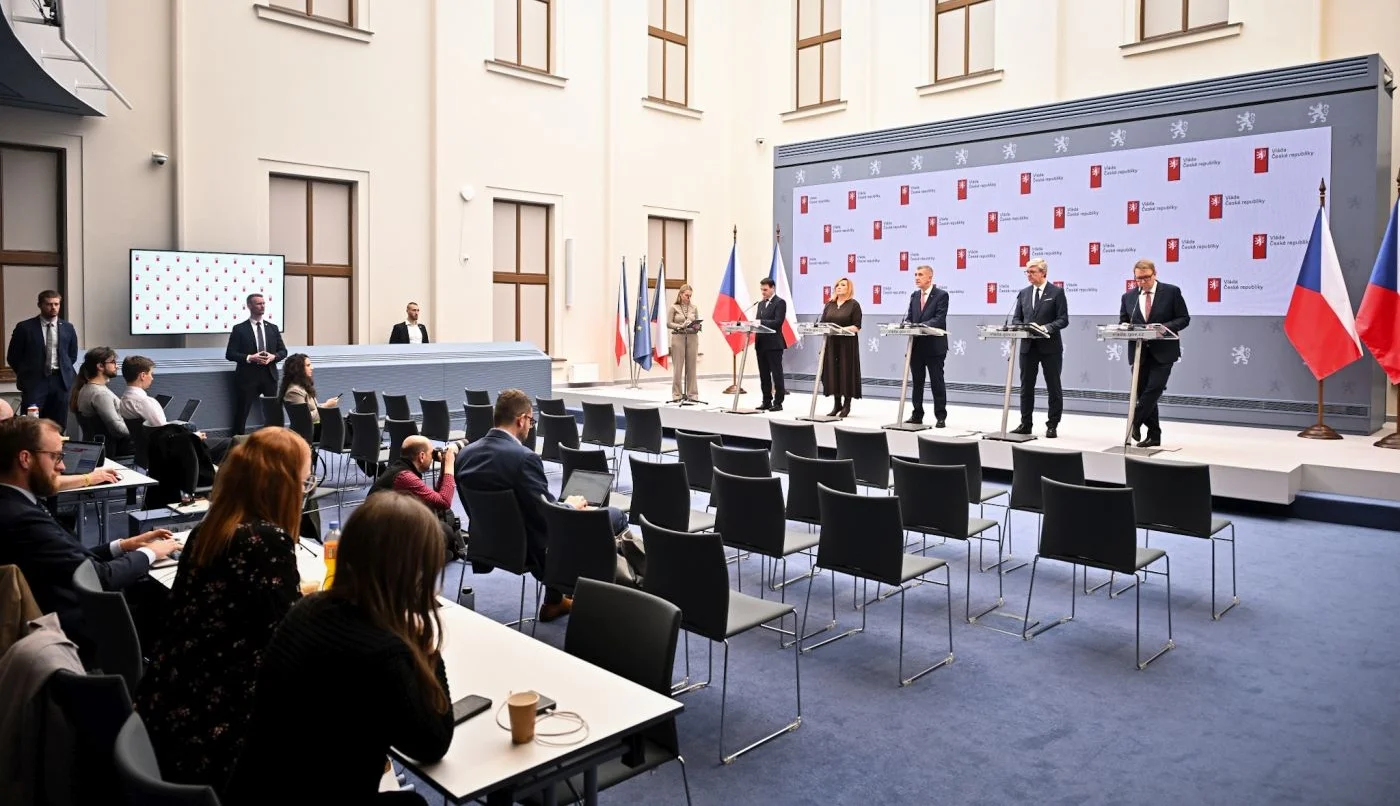
Finance Minister Alena Schillerová presented the key points of EET 2.0 at a press conference on Wednesday. The project is accompanied by tax relief measures – including the exemption of voluntary tips in the hospitality sector from taxes and social security contributions.
“EET 2.0 means lower taxes, a fair business environment and fewer random inspections. The Czech Republic is thus joining the large majority of European countries in which sales registration operates successfully. Our system will be modern, efficient and as cost-effective as possible. I am convinced that honest entrepreneurs will benefit from EET 2.0,” Schillerová said.
Less bureaucracy, more technology
According to the ministry, the new design is primarily intended to bring simplifications for entrepreneurs. The measures include, among other things:
Compatibility with the previous EET system – existing devices can continue to be used and updated.
Receipts issued only at the customer’s request – there will no longer be a printing obligation solely due to EET.
Reduced data set – only tax ID, date, time, sequential number, place of business and amount will be recorded.
Fewer inspections through targeted data analyses, including the consideration of cashless payments.
A free solution provided by the tax administration for mobile phone, tablet or computer – particularly for micro-entrepreneurs.
Payments to be recorded include those made in direct contact with the customer or at a place of business – i.e. cash payments, card payments, QR payments and other common on-site payment methods. Classic invoices or online bank transfers from account to account without physical contact, however, will not fall under the obligation.
The ministry emphasises that an effective design of EET 2.0 is not possible without the inclusion of cashless payments. However, the new model is based on different principles from the original system and is in line with the decision of the Czech Constitutional Court.
EET OFF for micro-entrepreneurs
The draft bill also includes the so-called “EET OFF” mode. It is aimed at the smallest entrepreneurs who, for certain reasons, do not wish to record their sales electronically. The mode is envisaged as a firmly anchored component of the system and is tied to clearly defined conditions:
Participation in the first level of the flat-rate tax scheme.
Annual income of a maximum of one million crowns.
A monthly flat-rate tax of 1,500 crowns as well as mandatory social security and health insurance contributions.
The chosen mode remains unchanged throughout the entire tax year. If the income limit is exceeded, the difference must be paid by the end of the tax period; the obligation to register sales electronically arises only in the following year.
EET 2.0 is accompanied by a package of tax adjustments. According to the Ministry of Finance, this is intended to correct a situation in which the tax burden has increased without effectively curbing the shadow economy. The basic idea of the new system is not to raise taxes, but to enable stable or lower burdens through more efficient collection.