
Caracals Return to Prague Zoo: Elegant Hunters with Distinctive Ear Tufts
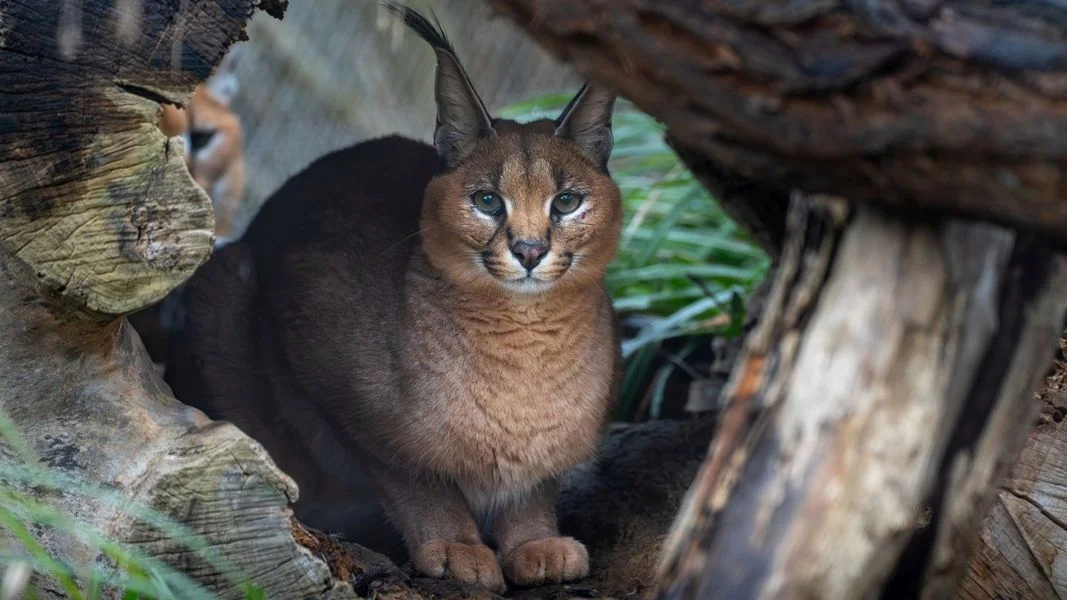
The animals are housed in the enclosure where three cubs were successfully reared in the past
Foto: Oliver Le Que | Zoo Praha
After seven years, caracals can once again be seen at Prague Zoo. The fast and highly agile wild cats are now on view in the outdoor predator enclosure. With a new pair, the zoo is building on its previous breeding successes.
Fast, powerful and exceptionally agile: caracals can once again be observed in the outdoor predator enclosure at Prague Zoo. The active wild cats are particularly striking for their characteristic black ear tufts. With a new pair, the zoo is continuing its earlier breeding successes, and after seven years caracals, native to the savannahs of Africa and Asia, are returning to Prague.
As mammal curator Pavel Brandl explains, the question arose as to which species should occupy the outdoor enclosure that became vacant after the ocelots. Although they successfully raised offspring there, the smaller predators were difficult for visitors to observe in the approximately one-hundred-metre-long aviaries. “In the end, we decided once again in favour of caracals – also because we have already been keeping a pair behind the scenes for more than a year,” says Brandl.
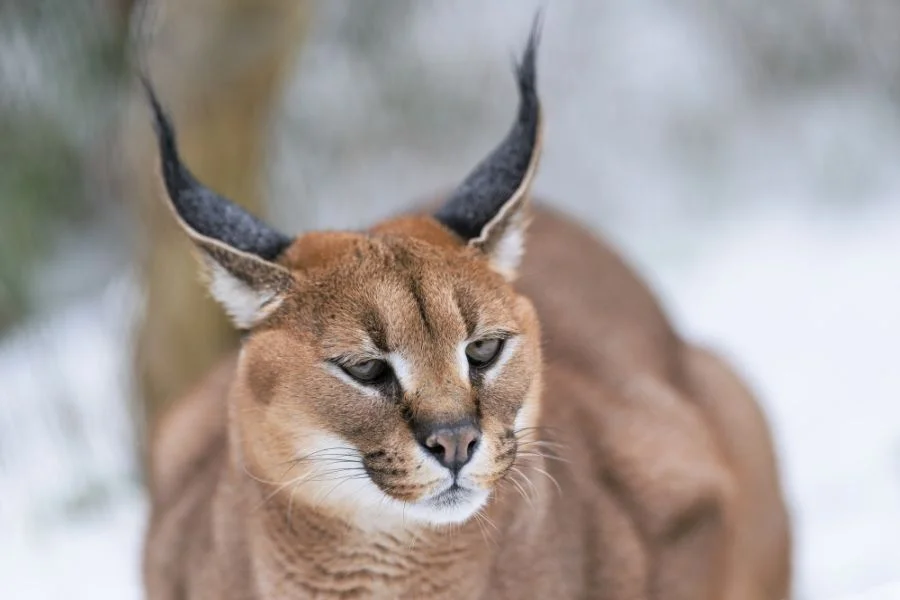
Foto: Petr Hamerník | Zoo Praha
The caracal is considered an enduring runner that moves confidently both in rocky terrain and among craggy outcrops. Its hind paws are equipped with dense hair pads that enable an elastic take-off and rapid start. With leaps of up to three metres in height, it can catch birds directly in flight; even nimble rock hyraxes are on its menu. Weighing up to 20 kilograms, caracals sometimes even take on prey that is significantly larger than themselves.
Particularly striking are the brush-like tufts of hair on the ears, reminiscent of lynxes. However, there is no close relation: the caracal belongs to the lineage of the so-called “golden cats” of the African continent. The large ear pinnae serve both to locate prey and to communicate with one another. In the dry savannah regions, the species manages with little water and is excellently camouflaged thanks to its sandy-coloured coat.
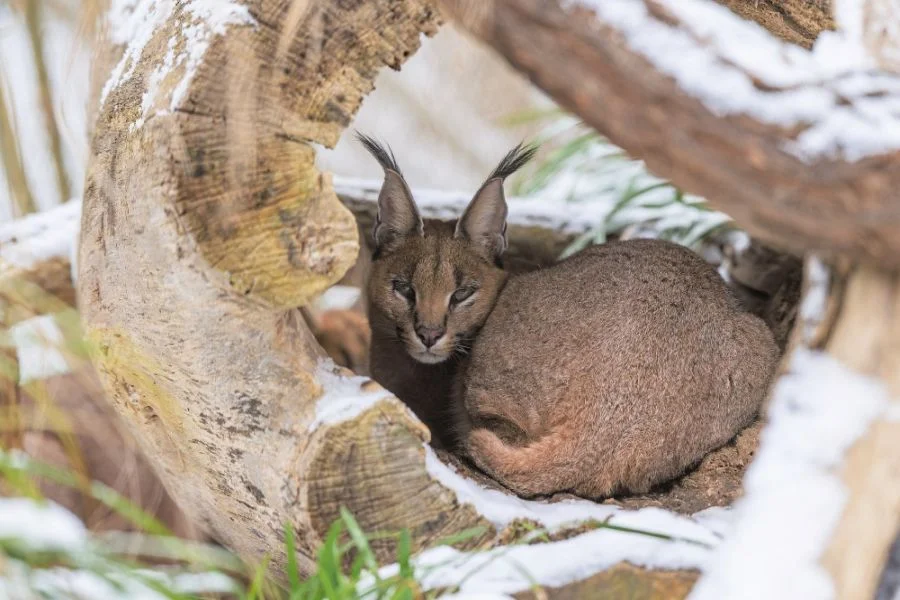
Foto: Petr Hamerník | Zoo Praha
The animals are housed in the enclosure where three cubs were successfully reared in the past. The young pair could therefore build on earlier breeding successes. In the wild, the female usually gives birth in abandoned porcupine burrows or in rock caves. At around five months of age, the cubs develop their permanent teeth and begin to become more independent – yet often remain together within the family group for several more months.
Prague Zoo (Zoologická zahrada hl. m. Prahy)
Website | Facebook | Instagram
Tags
More from Culture & Entertainment

Easter Monday in the Czech Republic: Between Tradition and Change

Hollywood Vampires to Rock Prague’s Sportovní Hala Fortuna in September