Plzeňský Prazdroj Sells Less Beer in 2025 – Cool Weather Dampens Demand
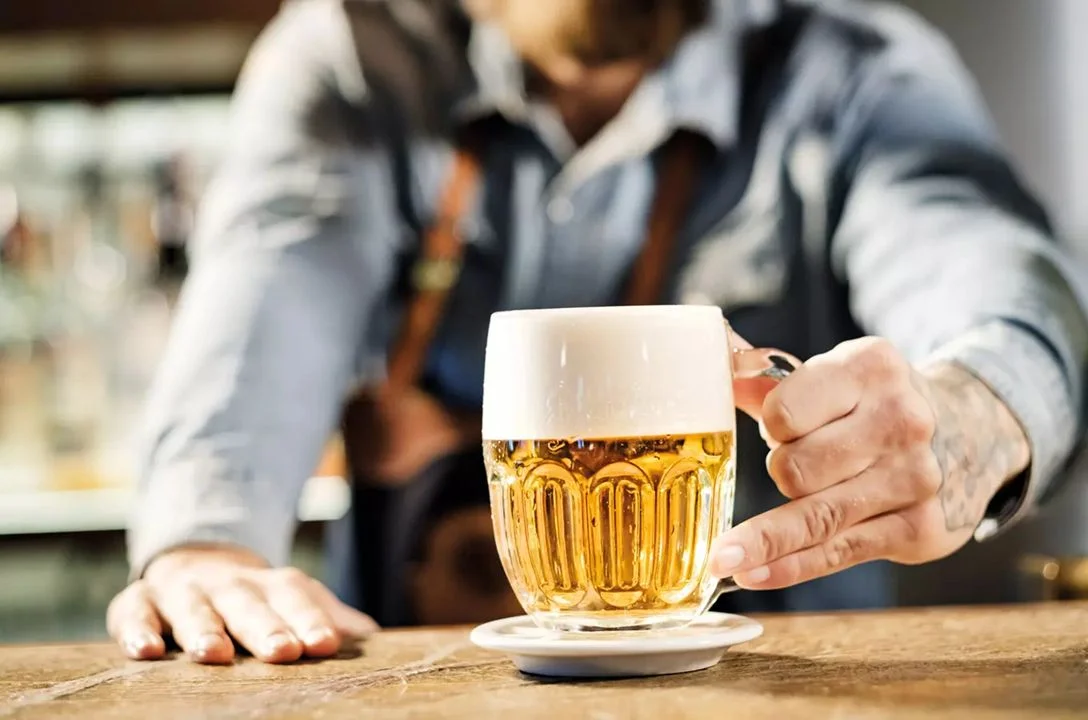
Sales of draught beer declined particularly sharply
Foto: Plzeňský Prazdroj
The Czech brewing group Plzeňský Prazdroj sold a total of 7.17 million hectolitres of beer in the Czech Republic last year. This represents a decline of around two per cent compared with the previous year. The company cites the unusually cool weather during the summer season as well as the longer-term decline in beer consumption in the country as the main reasons.
According to the company, last year was among the coldest of the past ten years. The summer months in particular are traditionally considered the most important sales period for breweries and hospitality businesses. Lower temperatures than usual therefore noticeably weighed on sales. Outdoor hospitality venues were also unable to operate in many places to the extent that is normally the case.
Sales of draught beer declined particularly sharply. In pubs and restaurants, sales fell by four per cent, while in retail the decline was around one per cent. Nevertheless, the share of beer consumed in bars and restaurants remains above the average of the Czech market for the Pilsen brewer. More than 34 per cent of production continues to be sold in the hospitality sector, while the share in the overall market recently stood at around 29 per cent.
The cooler weather was also reflected in meteorological data. With an average annual temperature of 8.3 degrees Celsius, last year was among the colder years in recent times. The difference was particularly noticeable in summer: July was on average 1.9 degrees colder than the year before, while in August the difference was as much as 2.5 degrees.
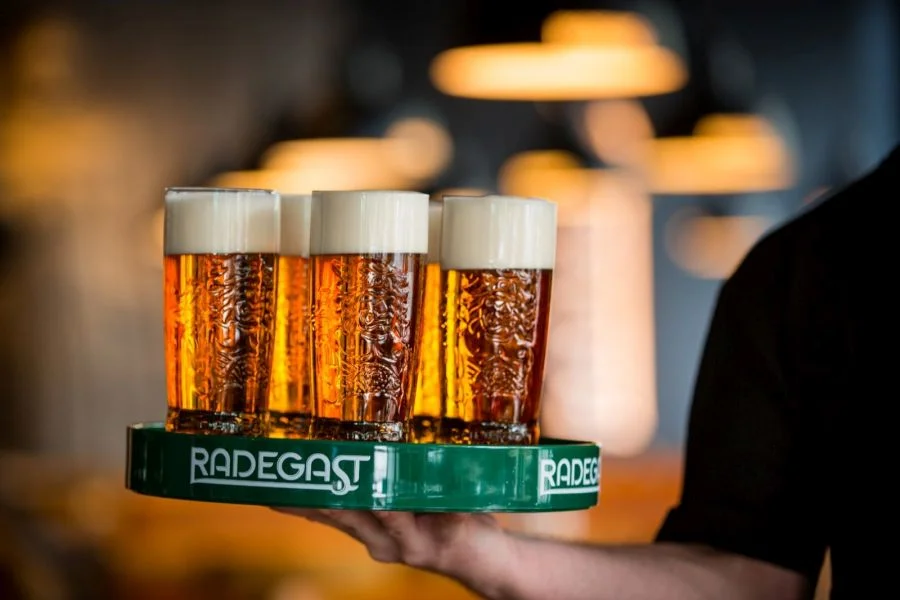
Foto: Plzeňský Prazdroj
While the overall market was weaker, lager beers continued their upward trend. In this category, the company’s sales rose by 1.2 per cent. Brands such as Radegast 12, Ratar, Pilsner Urquell and Gambrinus 12 were particularly in demand. The lager Proud, which only entered the market in 2024 and is primarily aimed at younger consumers, also recorded significant growth.
By contrast, the category of classic “ten-degree” beers continued to weaken. Their sales fell by four per cent last year.
Non-alcoholic beers, which had grown strongly in recent years, also recorded a decline. Sales fell by five per cent. Nevertheless, non-alcoholic variants still account for around eleven per cent of the company’s total domestic sales.
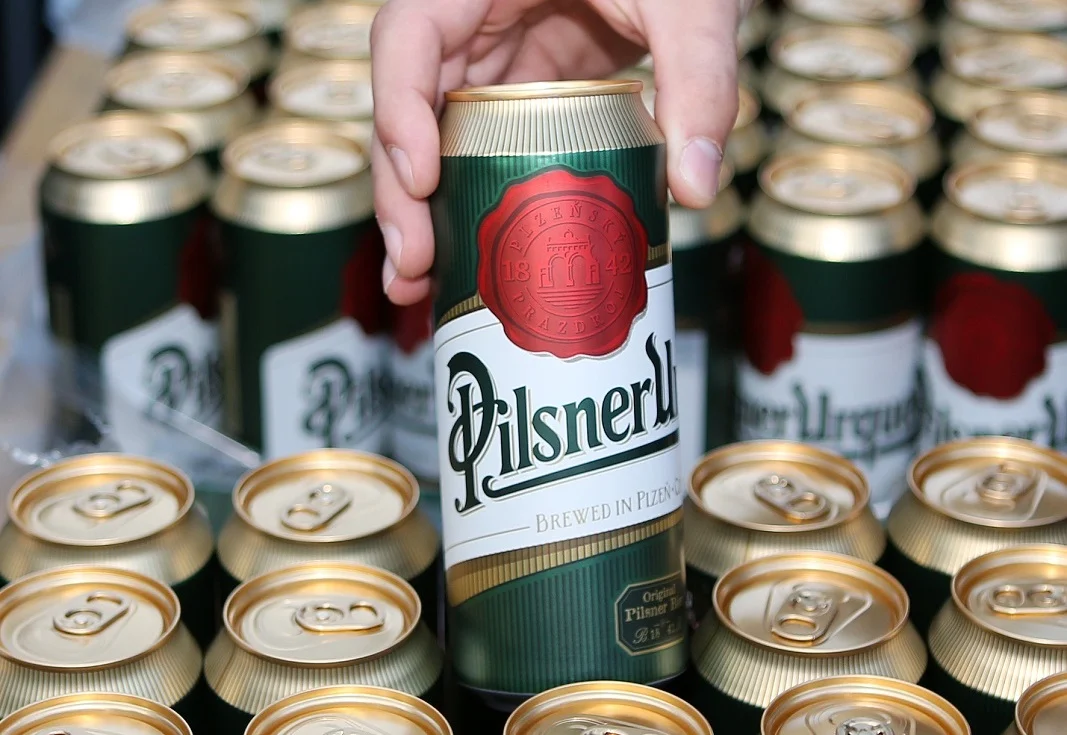
Foto: Plzeňský Prazdroj
Returnable glass bottles remain the most important packaging category. They accounted for around 34 per cent of sales. According to the company, a bottle can on average be reused up to 26 times and has a lifespan of around seven to eight years.
However, beverage cans have for the first time moved into second place among packaging types. They now account for around 31 per cent, putting them on a par with beer kegs. As recently as 2016, their share stood at only around ten per cent. Industry representatives assume that cans could become the most important form of packaging in the coming years.
Tags
More from Business