Traffic on the D1 near Prague rises sharply: More Than 100,000 Vehicles Daily
The current figures also underline the urgency of expanding the Prague ring road
Foto: Ministerstvo dopravy ČR
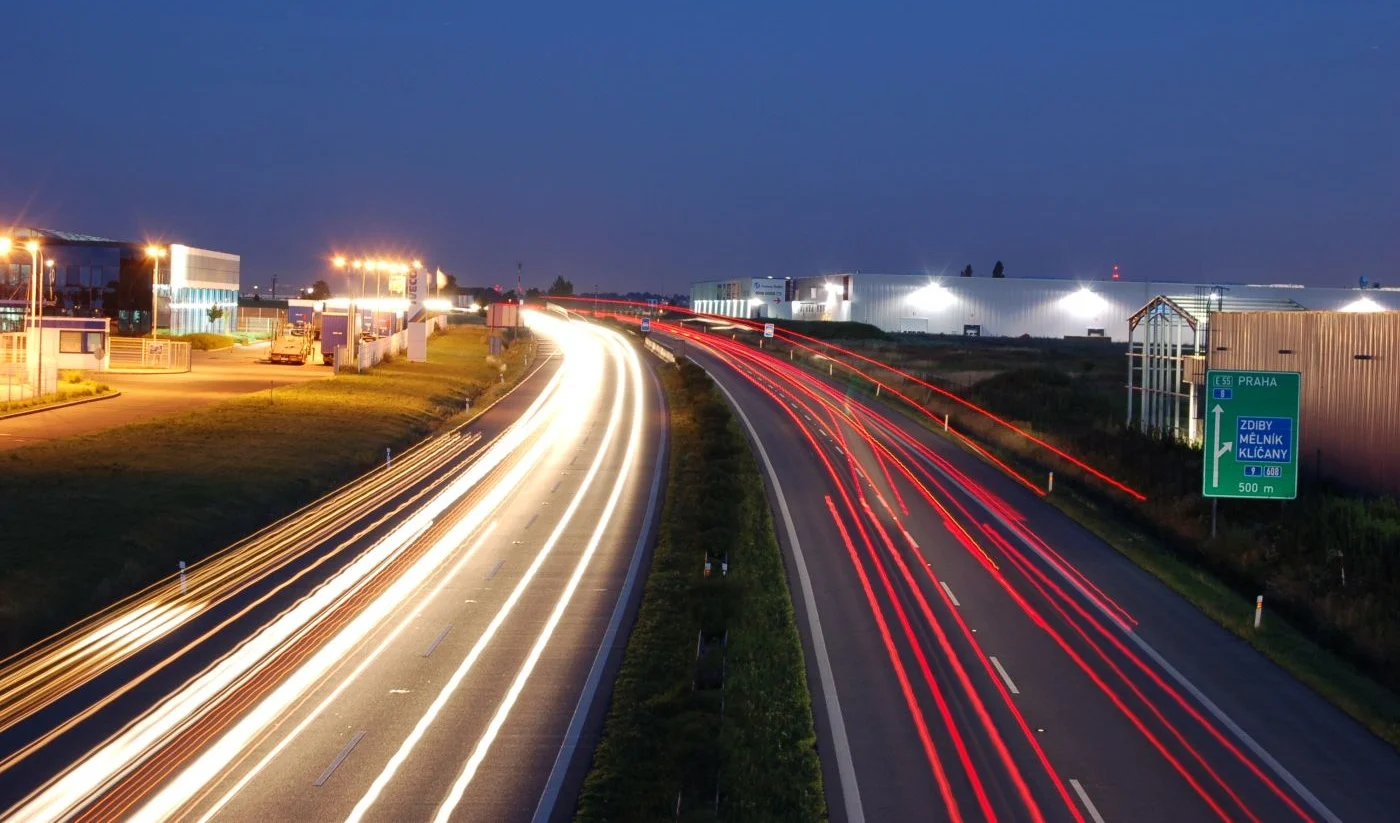
Traffic on motorways in the Czech Republic continues to grow significantly – particularly on the D1 near Prague. There, traffic volume has increased by around one third within five years, with more than 100,000 vehicles now using the section each day.
According to preliminary results of the nationwide traffic count, carried out on behalf of the Ředitelství silnic a dálnic (ŘSD), the average traffic intensity on motorways increased by a total of 12 per cent between 2020 and 2025. The D1 section near Průhonice is considered the busiest in the entire country – last year, an average of 106,976 vehicles were recorded here per day.
A noticeable increase can also be observed in other regions. Traffic volume on the Brno ring road rose by around 20 per cent over the same period. At the same time, new motorway sections and bypasses are bringing relief, for example on the D35 or in towns such as Jaroměř and Otrokovice, where through traffic is increasingly being diverted away from town centres.
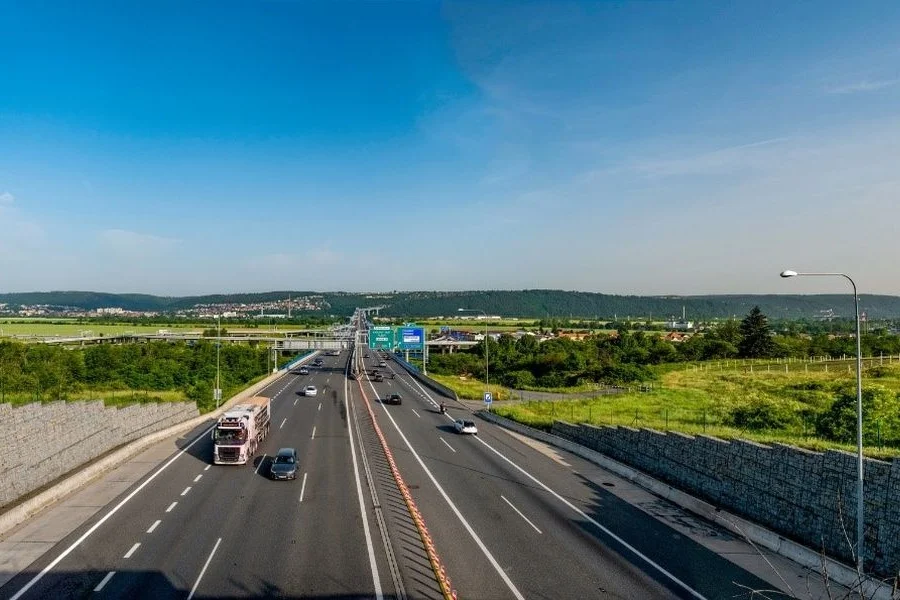
Foto: Ministerstvo dopravy ČR
An increase in traffic figures is evident along the entire D1. This is particularly pronounced between Modletice and Všechromy, where an average of 102,884 vehicles were recorded daily last year – an increase of 28 per cent compared to the previous count. On the section between Brno-centrum and Brno-jih, just under 92,000 vehicles were registered daily, including around 18,000 lorries. Between Jihlava and Velký Beranov, traffic volume increased by more than one third.
The current figures also underline the urgency of expanding the Prague ring road. On the D0 section between Ořech and Jinočany, an average of 85,596 vehicles were recorded daily last year – an increase of almost 17 per cent. An expansion to six lanes is therefore considered necessary and is expected to begin as early as next year.
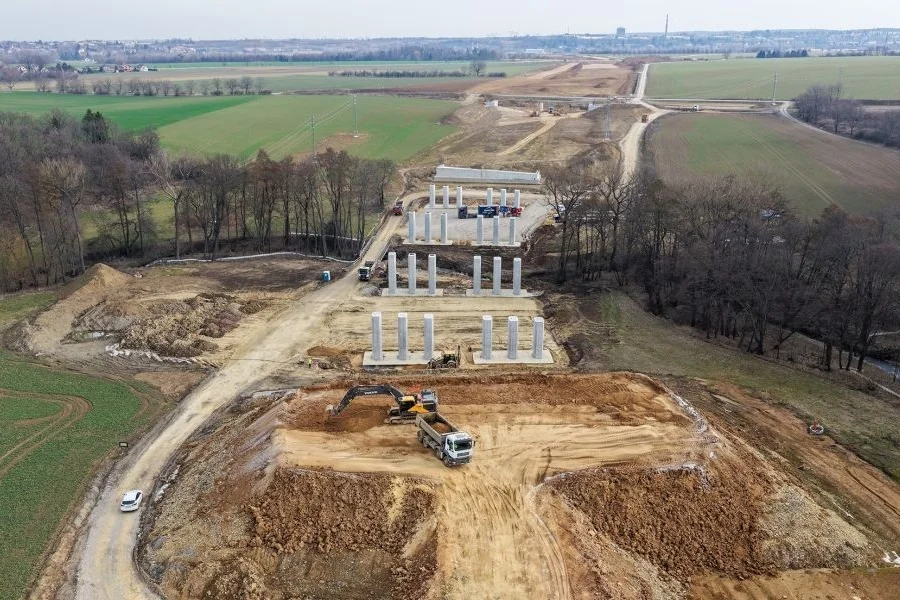
Foto: Ministerstvo dopravy ČR
ŘSD Director General Radek Mátl spoke of a long-term trend of rising traffic intensity. This is reflected not only in traffic counts, but also in revenues from toll systems and the sale of vignettes. At the same time, motorway expansion also makes sense for safety reasons, as motorways are significantly safer than country roads.
The data also show how important alternative routes are. The expansion of the D35, for example, has already led to a noticeable reduction in traffic on the parallel I/35 road. While around 12,000 vehicles used it daily in the past, the figure has recently fallen to around 5,400. At the same time, construction work on the D35 continues to progress.
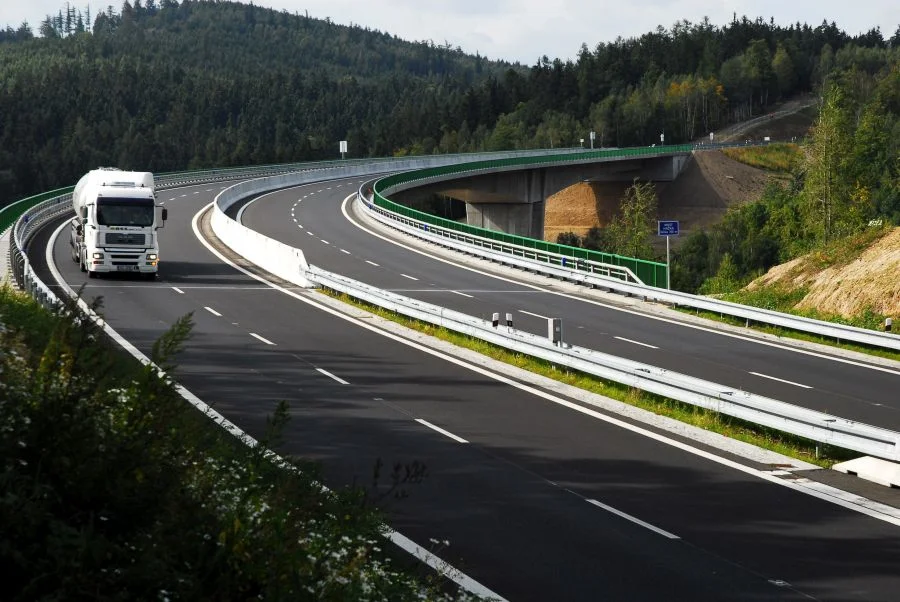
Foto: Ministerstvo dopravy ČR
Bypasses are also proving effective: in Lubenec, for instance, traffic is now almost entirely routed via the D6, while the load on the town centre has dropped sharply. Similar effects have been observed in Hradec Králové, Otrokovice and Jaroměř.
Around 2,700 people took part in the nationwide traffic count last year. Traffic was recorded on more than 6,800 sections across the entire road network. The data were supplemented by around 400 automatic counting stations, mainly on motorways.