

Platform Work in the Czech Republic: New Study Shows Flexibility Comes with Growing Uncertainty
Platform work has been shaping the labour market in the Czech Republic for more than 15 years and has gained significant importance, particularly in recent years
Foto: MART PRODUCTION | Pexels
Digital platform work is booming in the Czech Republic – but behind the promise of flexibility and self-determination, a far more complex reality often emerges. A new study, however, paints a much more critical picture.
Work via digital platforms is widely seen as a synonym for flexible working hours, attractive earning opportunities and a high degree of autonomy. However, a recent study by the research institute SYRI presents a far more nuanced picture – and calls into question key assumptions about this form of employment.
Platform work has been shaping the labour market in the Czech Republic for more than 15 years and has gained significant importance, particularly in recent years. According to studies, almost half of the adult population (44.2 per cent) has carried out at least once a short-term or one-off activity via digital platforms – for example through apps or online portals.
This working model received a significant boost during the COVID-19 pandemic. “On the one hand, demand for services such as food or grocery deliveries increased; on the other, many people turned to platform work after losing their jobs, for example in the service sector,” explains Marie Heřmanová from the National Institute SYRI, who was involved in the study (CZ) together with Markéta Švarcová from the Academy of Sciences.
Algorithms determine everyday working life
At the centre of the criticism is above all the role of algorithms, which largely control the work of couriers and drivers. According to the study, workers are subject to opaque algorithmic management that significantly limits their actual control over working hours, assignments and income.
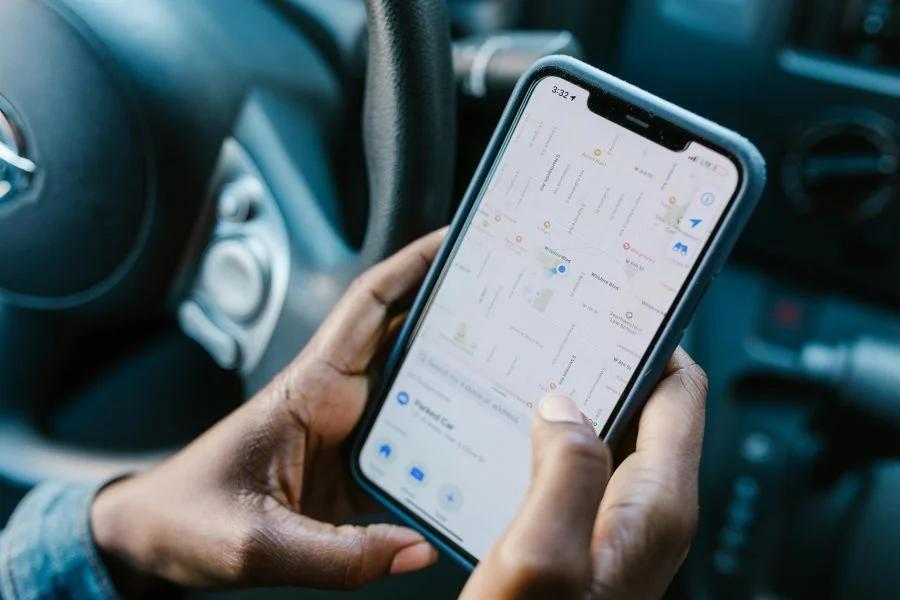
Foto: RDNE Stock project | Pexels
Many of those surveyed report non-transparent changes in the system. For example, individual drivers may be favoured or disadvantaged without any apparent reason. “These changes are perceived as particularly problematic, as they are neither predictable nor influenceable,” says Heřmanová.
In order to better understand how the platforms function, many workers document their experiences and exchange information in closed online groups. The aim is to identify patterns and adapt to the logic of the algorithms.
High pressure despite supposed freedom
Contrary to the widespread perception of flexibility, the study shows that platform work is often associated with considerable uncertainty. In addition to the influence of algorithms, high competitive pressure and the need for continuous availability also play a central role.
“Most people work just as much as, or more than, in traditional employment relationships and cannot afford any downtime, as otherwise their living costs are not covered,” explains Heřmanová. The frequently advertised freedom thus proves to be misleading in many cases.
The balance between work and private life also suffers under these conditions. Irregular and psychologically demanding working hours make it difficult to plan everyday life and can have a negative impact on family life and care responsibilities.
EU aims to provide greater protection
Against this background, the regulation of platform work is increasingly coming into focus in politics. The European Parliament adopted a directive last year aimed at improving the working conditions of platform workers. Among other things, it provides for greater transparency, stronger rights for workers and clearer rules for the use of algorithms.
However, whether these measures will actually lead to noticeable improvements depends largely on their implementation at national level. Experts emphasise that the specific design within Czech legislation will be decisive.
More from Business
Tomáš Baťa 150: How a Visionary from Moravia Shaped Zlín into a Model City

Smartwings Expands Summer Timetable: More Flights from Prague to Spain and Italy