High Fuel Prices: Government in Prague Considers Tax Cuts and Taps Reserves
Government sees room in margins and prepares further talks with industry representatives and neighbouring countries
Foto: Vláda České republiky
The Czech government is seeking ways to ease the burden amid persistently high fuel prices. In addition to possible tax cuts, Prague is also focusing on talks with the industry and is temporarily drawing on state oil reserves.
The Czech government is responding to the current high fuel prices and is examining several measures to ease the market. The focus is on talks with the largest players in the sector, as well as the temporary use of state oil reserves.
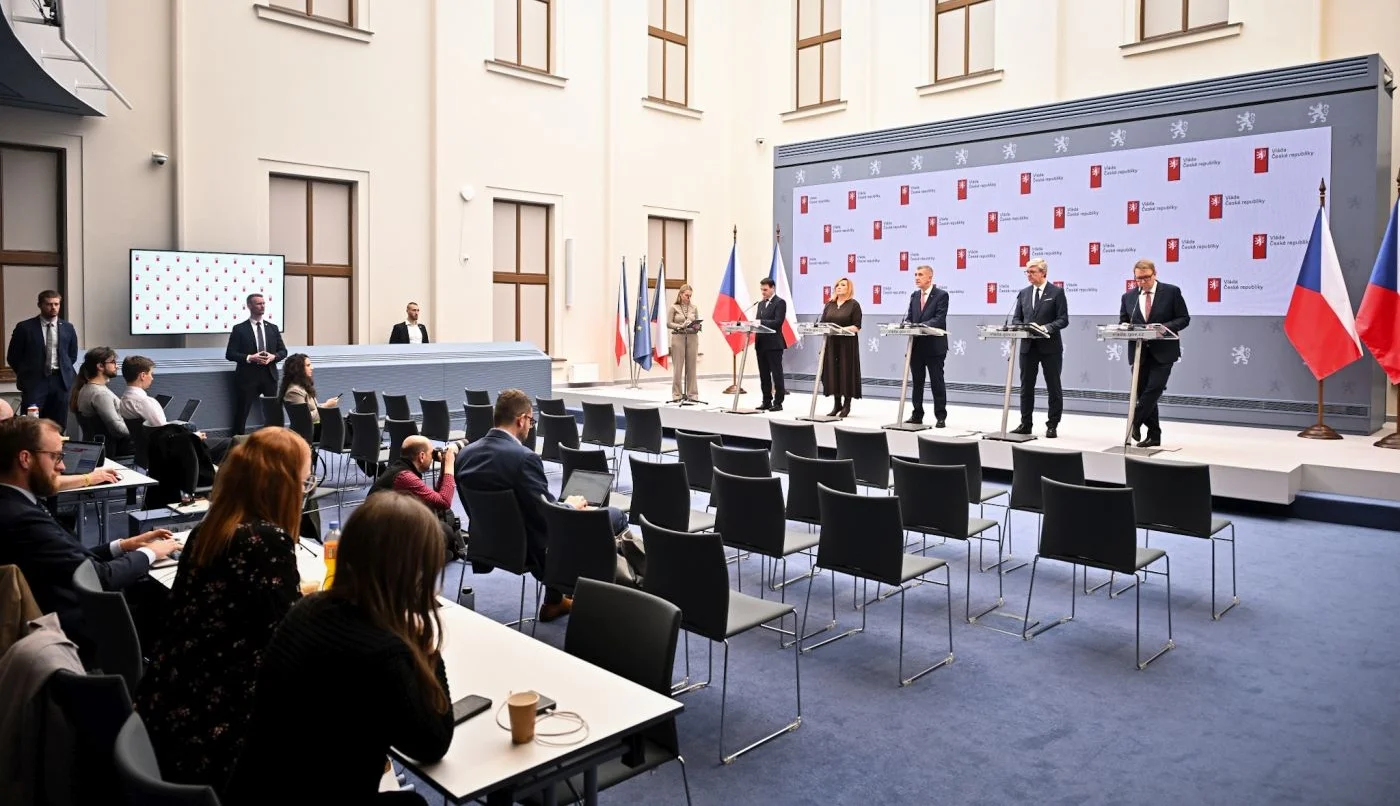
Ahead of the cabinet meeting on Monday, Prime Minister Andrej Babiš met with ministers responsible for economic affairs and representatives of the largest petrol station operators in the Czech Republic. The results of the talks were subsequently discussed by the cabinet. Further negotiations are expected to follow later this week.
The government is focusing in particular on pricing in the fuel market. According to Babiš, there is currently room for lower margins. In his view, these should be around 3.50 koruna for diesel and about 2.50 koruna for petrol. The Ministry of Finance has also been tasked with examining whether a reduction in excise duty on fuels is possible.
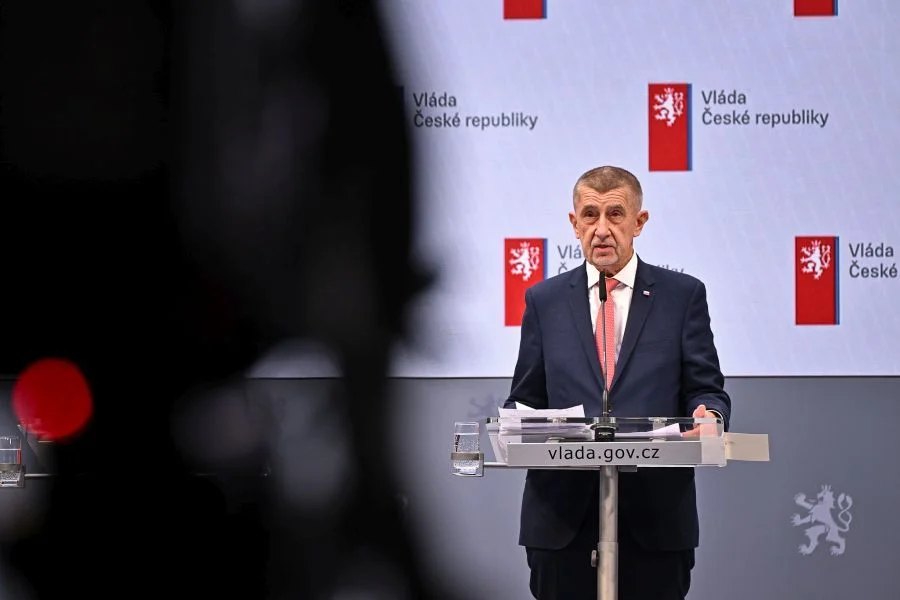
Foto: Vláda České republiky
The government assumes that, given the average purchase prices in March, there is further room for adjustment. Cabinet representatives also called on companies not to take advantage of the strained market situation.
In addition to talks with industry representatives, the government has also decided on concrete measures to stabilise supply. Up to 100,000 tonnes of crude oil are to be released from the state’s strategic reserves. These will be provided in the form of a loan to the company Orlen Unipetrol to offset a disruption in supplies via the TAL pipeline.
Deliveries from the state reserves are set to begin on 1 April. According to the government, this is explicitly a temporary measure – the oil provided is to be returned to the state at a later stage.
Babiš also stressed that the situation is not only tense at the national level, but across Europe. The government therefore plans to hold talks with partners in the region, including Germany, Austria and Slovakia. Broader coordination at the Central European level is also considered sensible from Prague’s perspective, as national measures often have an impact on neighbouring countries.
More from Business

Leo Express to Launch Prague–Munich Rail Connection in December