Number of Newborns in the Czech Republic Reaches Historic Low
Experts see a profound shift in the demographic structure, along with changing family behaviour, as the main reasons
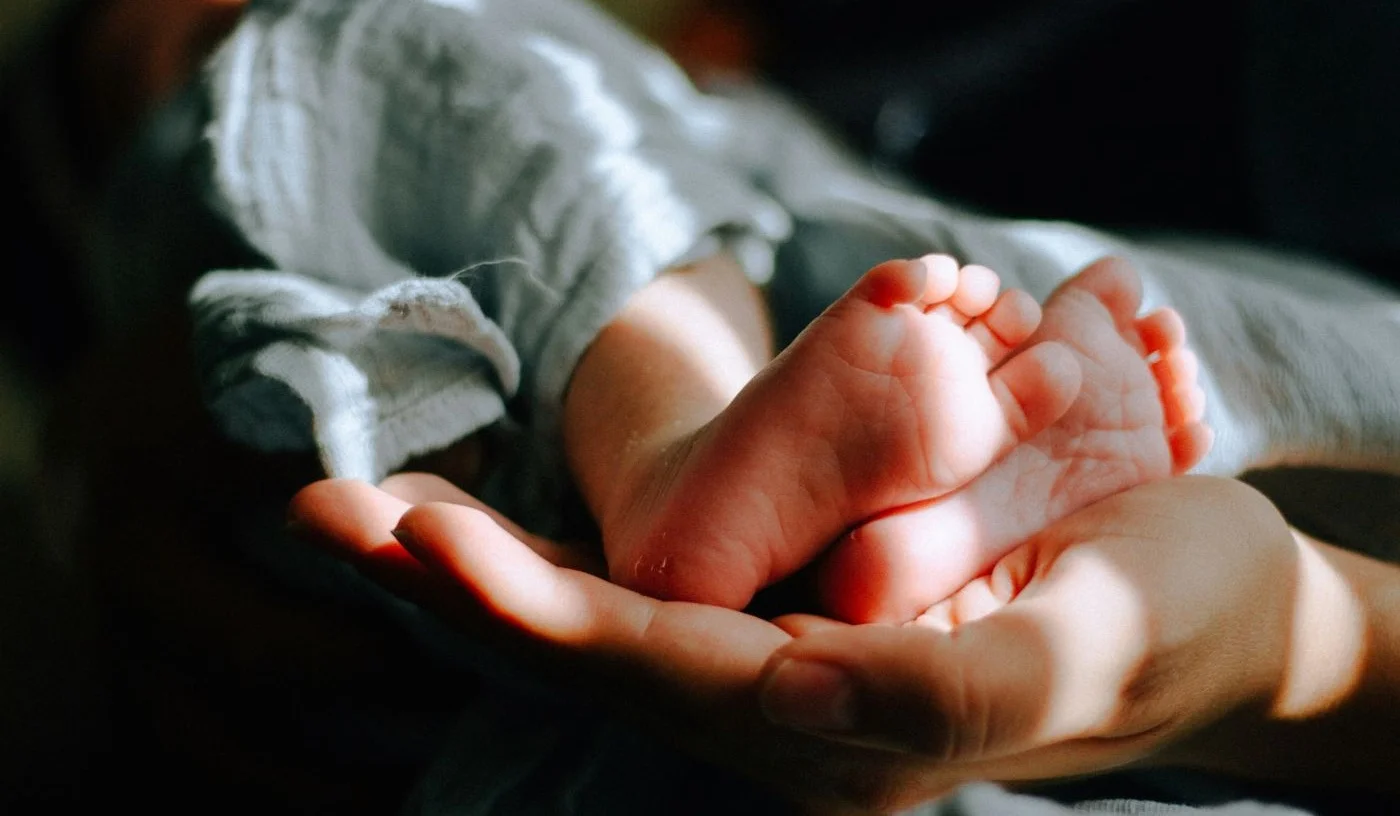
Foto: Omar Lopez | Unsplash
Fewer and fewer children are being born in the Czech Republic: 2025 marks a historic low. At the same time, women are having their first child later, while the birth rate continues to decline.
The number of births in the Czech Republic fell to a historic minimum in 2025. A total of 77,600 children were born – fewer than ever before since statistical records began in 1785. Compared to the previous year, the number of births declined in all regions of the country. This is shown by the latest data from the Czech Statistical Office.
The birth rate also continued its downward trend: the average number of children per woman fell to 1.28. At the same time, the age of mothers continues to rise – women were on average 29.2 years old at the birth of their first child.
The decline in births has now continued for the fourth consecutive year. Compared to 2024 alone, the number fell by eight per cent, or around 6,700 children. The trend is particularly clear in the longer-term comparison: compared to 2021, when 111,800 children were still being born, this represents a decrease of around 31 per cent.
At the same time, female fertility has also declined. Within four years, the average number of children per woman fell from 1.83 to 1.28. A comparable level was last recorded in 2005. In the late 1990s and early 2000s, the birth rate was even lower – with a historic low of 1.13 in 1999.
According to demographers, alongside the declining birth rate, the age structure of women also plays a role. Many of today’s potential mothers belong to smaller birth cohorts born in the late 1990s and early 2000s.
The decline in the birth rate is evident in all regions of the country, although at different levels. The lowest values in 2025 were recorded in Prague and the Karlovy Vary Region, where the average number of children per woman was below 1.2. By contrast, the highest values were recorded in the Vysočina Region, with slightly over 1.4 children per woman.
The birth rate declined particularly sharply among younger women. Compared to 2021, it fell by 38 per cent among those aged 20 to 24, and by 34 per cent among those under 19. However, a significant decline was also observed in the age groups in which women most commonly have children: among those aged 25 to 39, the decrease was around 30 per cent.
The average age of mothers continued to rise in 2025 and stood at 30.6 years, while for first births it was just under 29.2 years. If the current birth rate remains at this level in the long term, the proportion of women without children could rise to as much as 38 per cent.