Czech Government Intervenes in Fuel Market: Maximum Price Caps to Be Published for the First Time Today
Price caps will be set daily at 14:00 and apply for the following day
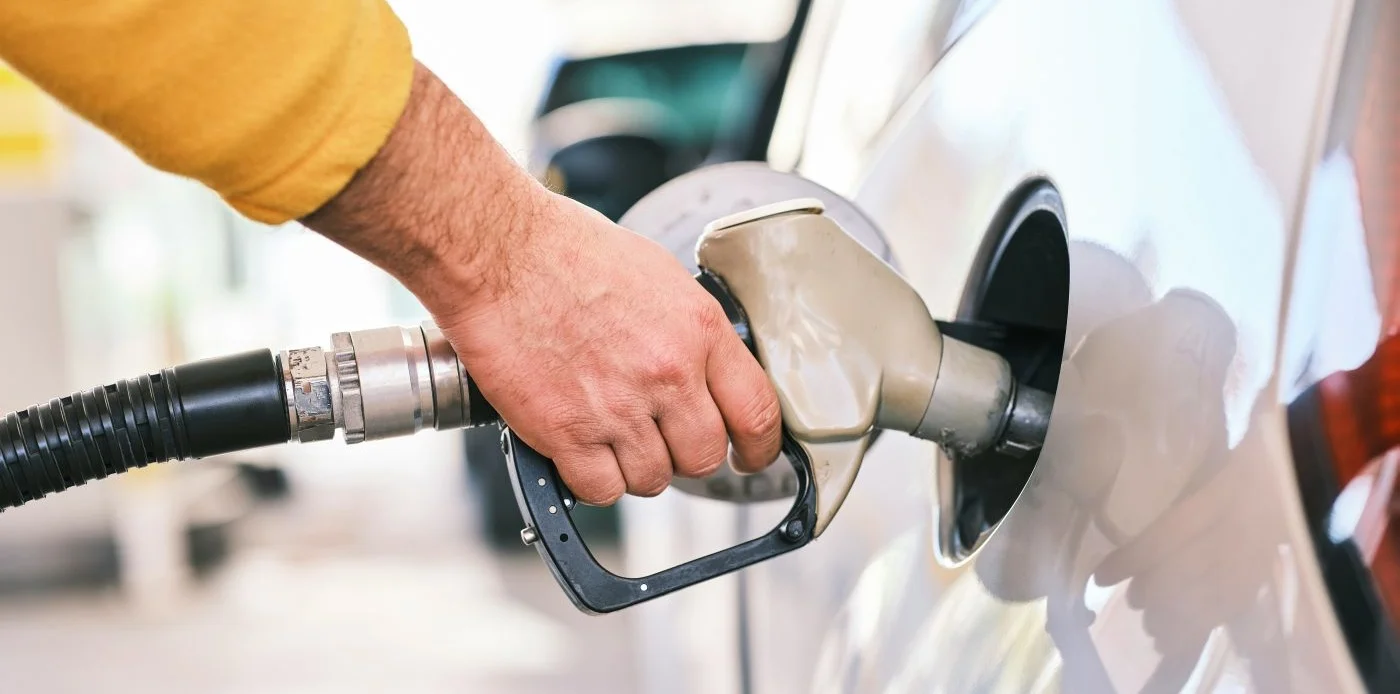
Foto: Engin Akyurt | Unsplash
From today, the state is intervening directly in fuel prices for the first time. The government is introducing daily price caps in response to the sharp rise in petrol and diesel prices.
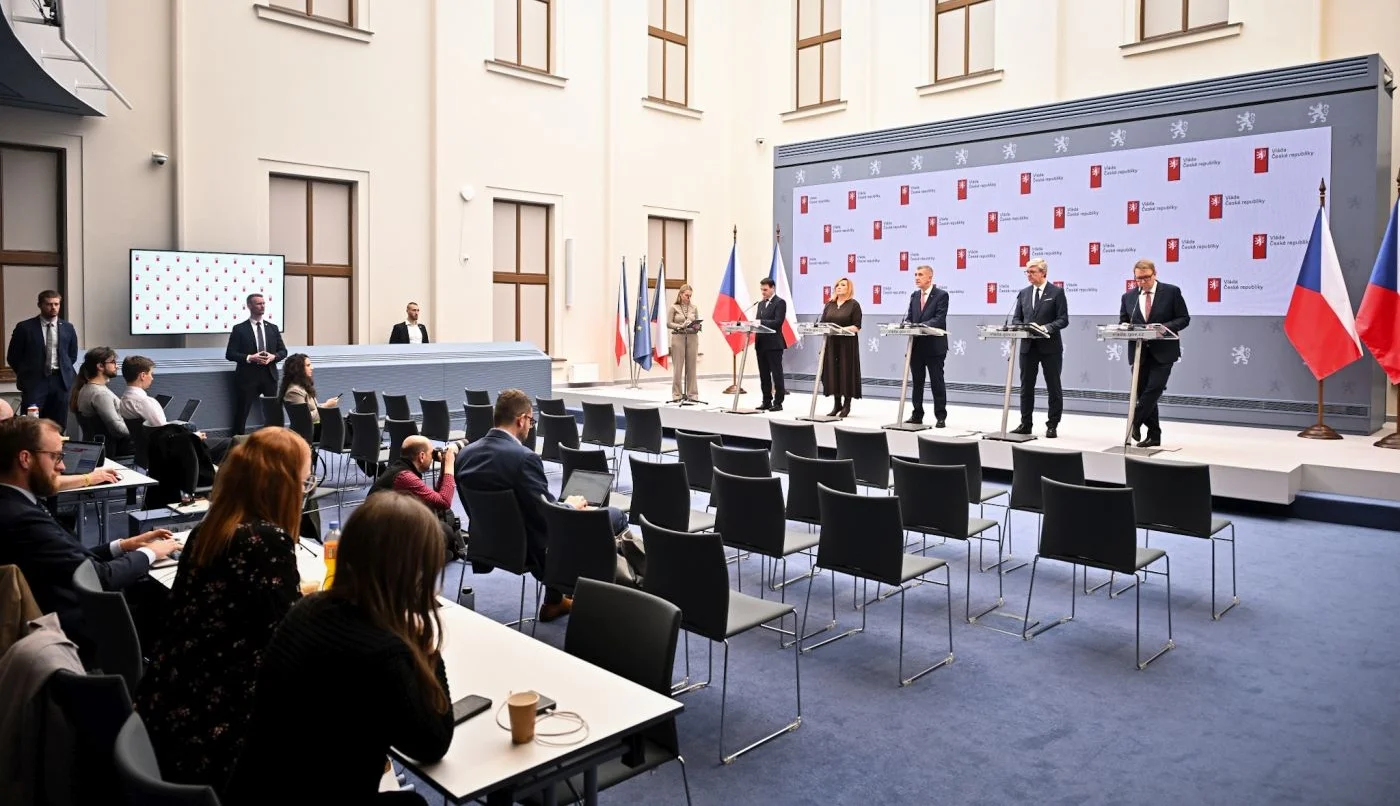
The government of Andrej Babiš has approved far-reaching interventions in the Czech fuel market following an extraordinary meeting at the end of last week. The reason is the significant increase in petrol and diesel prices as a result of the armed conflict in the Middle East.
At the centre of the measures is a combination of tax relief and price regulation. What is new above all: from today, 7 April, specific maximum prices will be publicly announced for the first time. The Ministry of Finance will set a maximum price limit daily at 14:00, which will apply for the following day. Prices set on Friday will apply throughout the entire weekend up to and including Monday.
Petrol stations will in future be allowed to earn a maximum of 2.50 koruna per litre on petrol and diesel. Premium fuels are exempt from this regulation.
Prime Minister Babiš justified the move by stating that margins in the market had recently increased “unreasonably” – despite previous discussions with traders and interim price reductions.
Focus on diesel: tax to be reduced
Another key component concerns taxation: the excise duty on diesel will be reduced by 1.939 koruna per litre – to the minimum permitted under EU law. Including VAT, this results in relief of around 2.35 koruna per litre.
Finance Minister Alena Schillerová emphasised that the focus is deliberately on diesel: it has a direct impact on transport costs, industry and thus on overall economic development. In contrast, the tax on petrol will remain unchanged.
The regulation is initially planned until 30 April. At the same time, the Ministry of Finance is working on a new law that would allow future governments to regulate prices and margins more quickly if necessary. This is to be pushed through parliament under an accelerated procedure.