IPR Study: Prague Maintains Low Social Segregation, but Gaps Slowly Widen
The Czech capital remains a city where people of different professions and income levels naturally encounter one another in everyday life
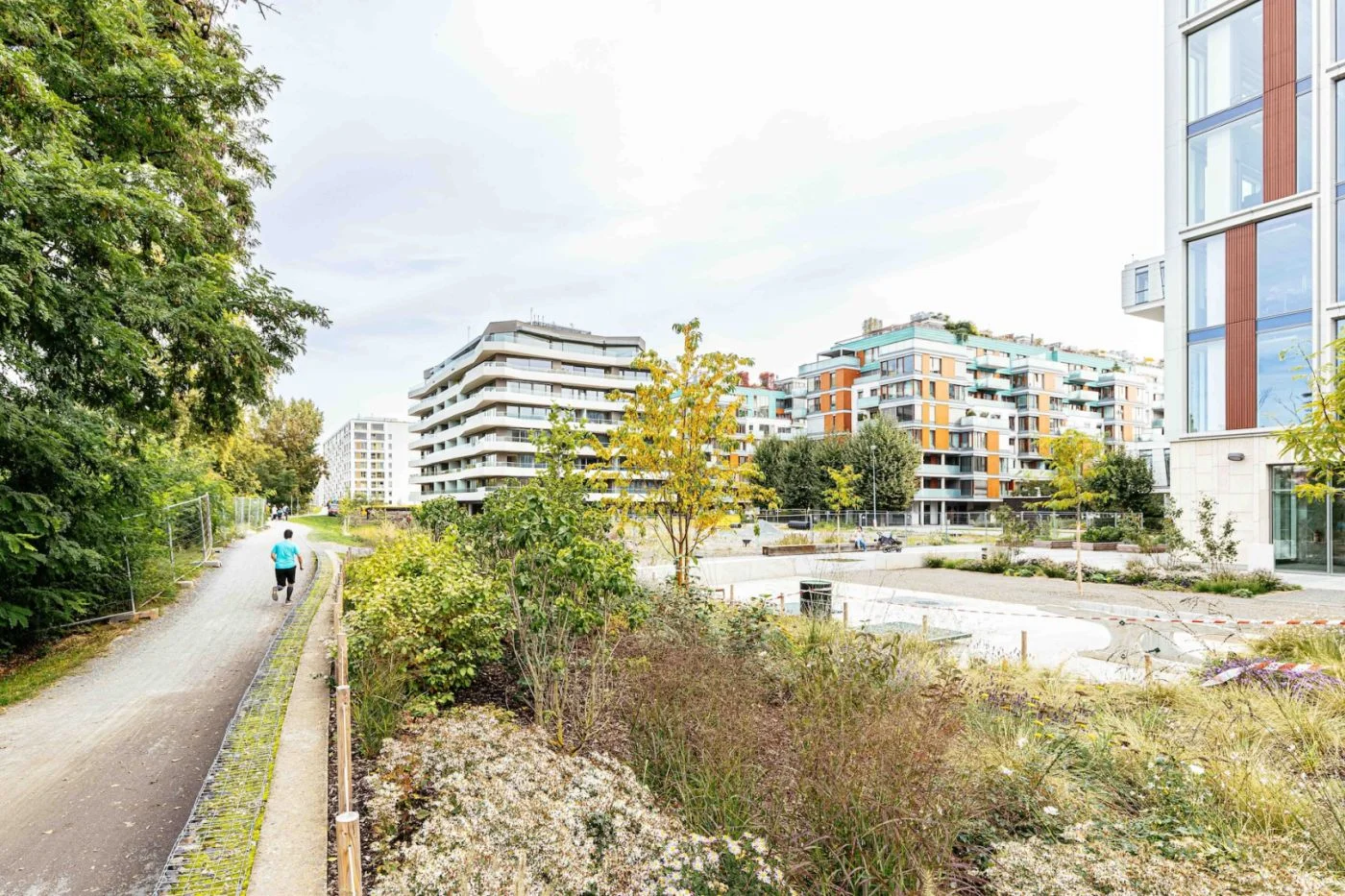
Foto: IPR Praha
Prague continues to present itself as a socially mixed metropolis with comparatively low spatial segregation. However, a new analysis shows that differences are gradually increasing in certain areas.
In a long-term comparison, Prague continues to exhibit low spatial segregation of social groups. This is the conclusion of a recent analysis by the Institute of Planning and Development of the Capital City of Prague (IPR Praha). According to the findings, residents are still relatively evenly distributed across the city, with different population groups often living side by side.
At the same time, the study points to a gradual shift: in some districts, differences between lower-income and more affluent households are slowly increasing. This development will need to be monitored more closely in the future.
Avoiding Enclosed Residential Structures as a Goal
“Prague remains a city where people of different professions and income levels naturally meet in everyday life. This is of central importance for the functioning of the city,” explains Ondřej Boháč, Director of IPR Praha. Large, isolated residential enclaves of individual social groups have not yet emerged, but initial signs of differentiation are becoming apparent.
Different Residential Patterns Within the City
The analysis also reveals clear patterns in spatial distribution: lower-income households are more likely to live in certain large housing estates, in parts of the inner city, as well as in peripheral areas near industrial zones – for example in Černý Most, Horní Počernice, or in parts of Libeň and Vysočany.
The upper middle class, by contrast, is concentrated in traditionally sought-after districts such as Dejvice, Letná, or Vinohrady, which are characterised by good infrastructure and high quality of life. More affluent households are increasingly moving into newer residential developments, for example in Jinonice, Hrdlořezy, or Holešovice.
It is precisely in such newly developed neighbourhoods that, according to the analysis, there is a risk of so-called “gated communities” – enclosed residential areas that are often accessible only to residents.
“Enclosed, impermeable residential areas are a legacy of the 1990s, when new neighbourhoods were often developed without sufficient coordination,” says Petr Hlaváček, Deputy Mayor of Prague for Urban Development. Today, greater consideration is given to the public interest – including through planning agreements between the city, districts, and investors. The future Metropolitan Plan is also intended to ensure the permeability of urban spaces.
Similar Development in the Surrounding Area
Segregation also remains generally low in the wider Prague metropolitan area. However, a stronger spatial concentration of affluent households is evident here. These are primarily located in municipalities in the immediate surroundings, shaped by suburban residential development – for example Černošice, Dolní Břežany, Jesenice, or Zdiby.
Socially weaker groups, on the other hand, are more frequently found in more distant, smaller municipalities with specific local structures, such as those influenced by large industrial or agricultural enterprises with worker accommodation. Similar concentrations can also be observed in larger towns such as Kladno, Neratovice, Beroun, or Benešov.
More from Real Estate
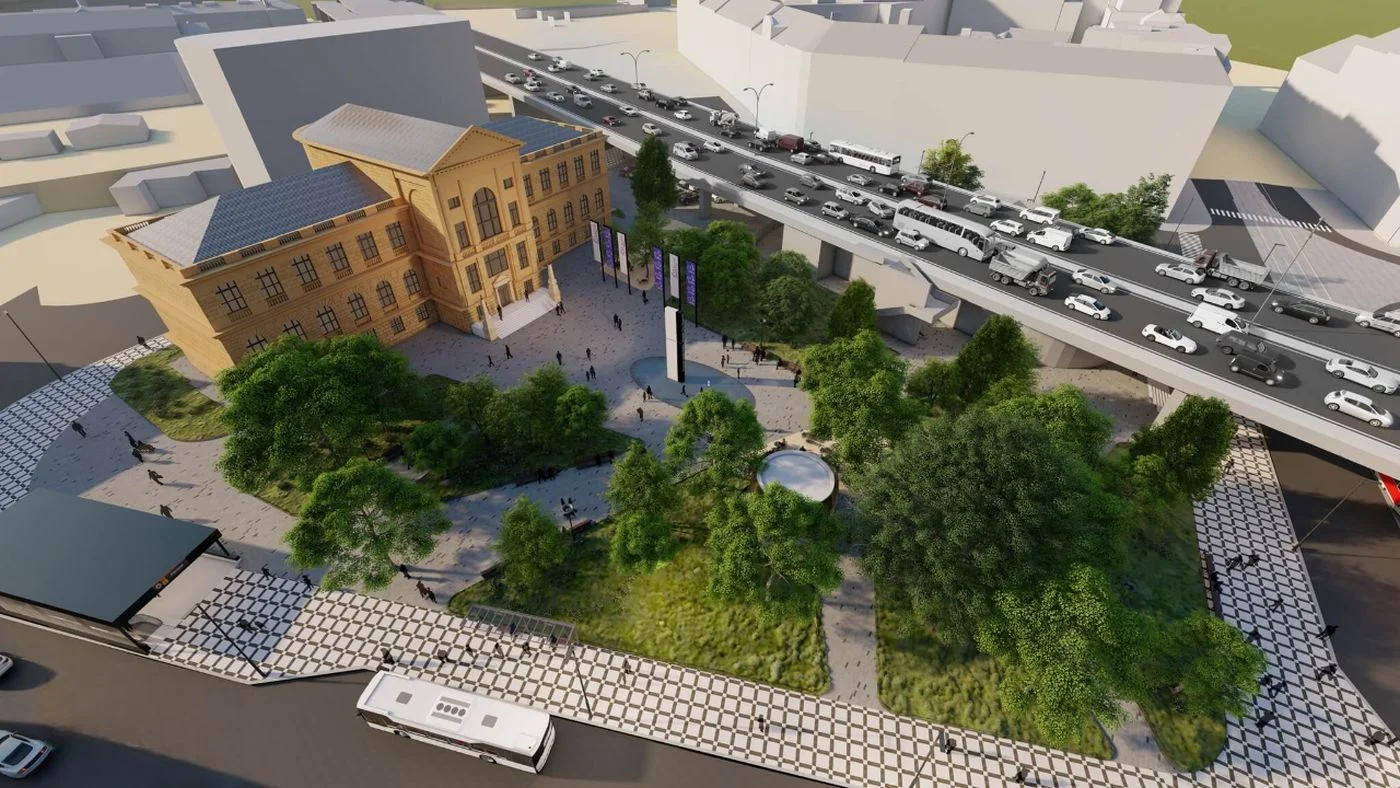
Prague City Museum Plans Redesign of Florenc Park – Visualisations Reveal First Concepts