ČEZ Eyes Extended Operation of Dukovany – Focus on Security of Supply and Modernisation
The possible extended operation does not, according to the company, conflict with planned new-build projects, including additional reactors in Dukovany and small modular reactors
Foto: NPP Dukovany | ČEZ
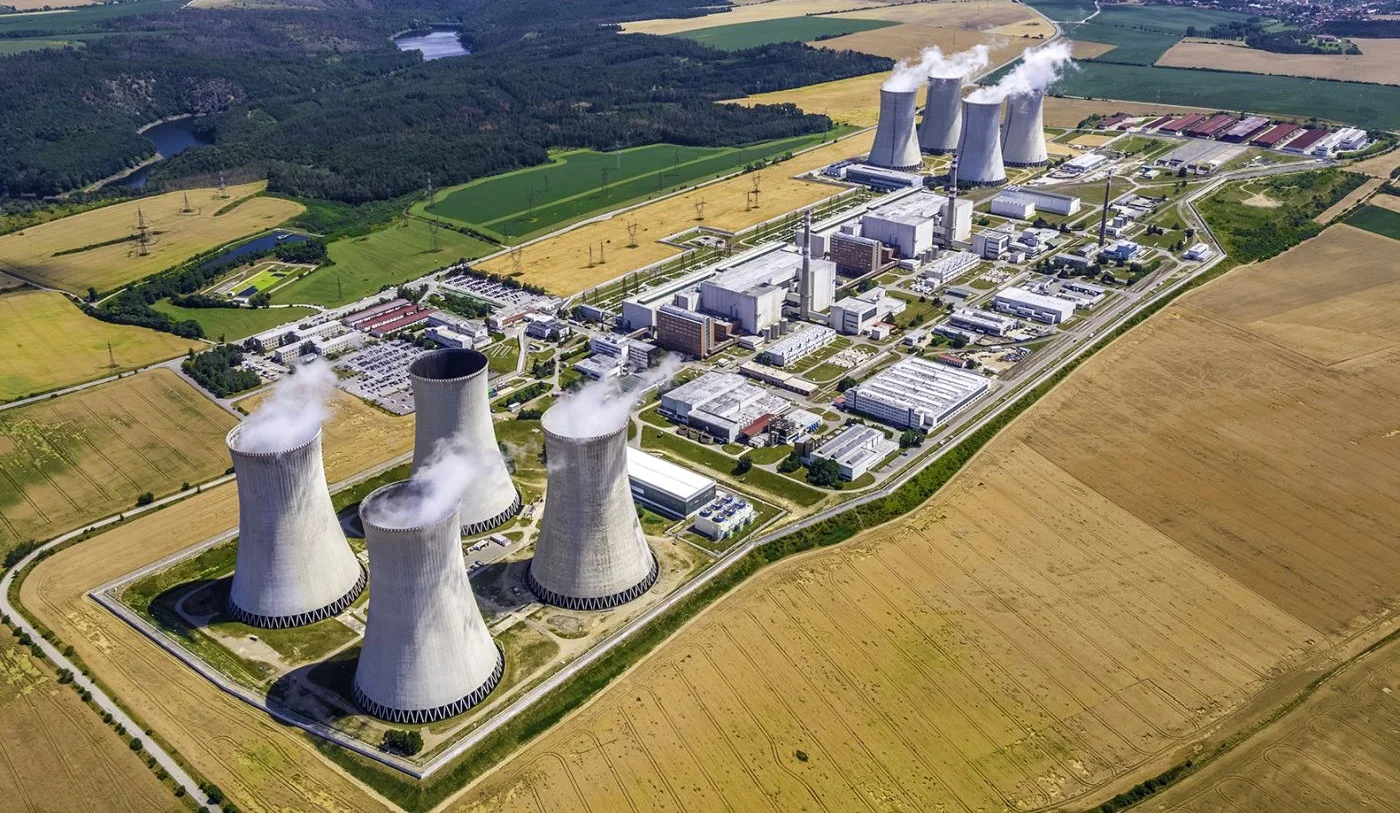
ČEZ is preparing for a possible extension of the operation of the Dukovany nuclear power plant beyond its previously planned lifespan. Analyses indicate that operation of up to 80 years could be technically and economically feasible.
The energy group ČEZ has launched the preparatory process for a potential long-term extension of the Dukovany nuclear power plant. The move is seen as an important building block in strengthening energy supply in the Czech Republic and underlines the company’s strategic focus on stable, low-emission electricity generation. At the same time, analyses are under way regarding a possible longer operation of the Temelín nuclear power plant.
According to ČEZ CEO Daniel Beneš, the reactors could remain in operation significantly longer than originally planned. Until now, a service life of around 60 years had been envisaged, but current economic and safety assessments suggest potential for up to 80 years. Internationally, such lifespans are increasingly becoming the standard, with several facilities already holding the relevant licences. A prerequisite remains continuous assessment of technology and safety.
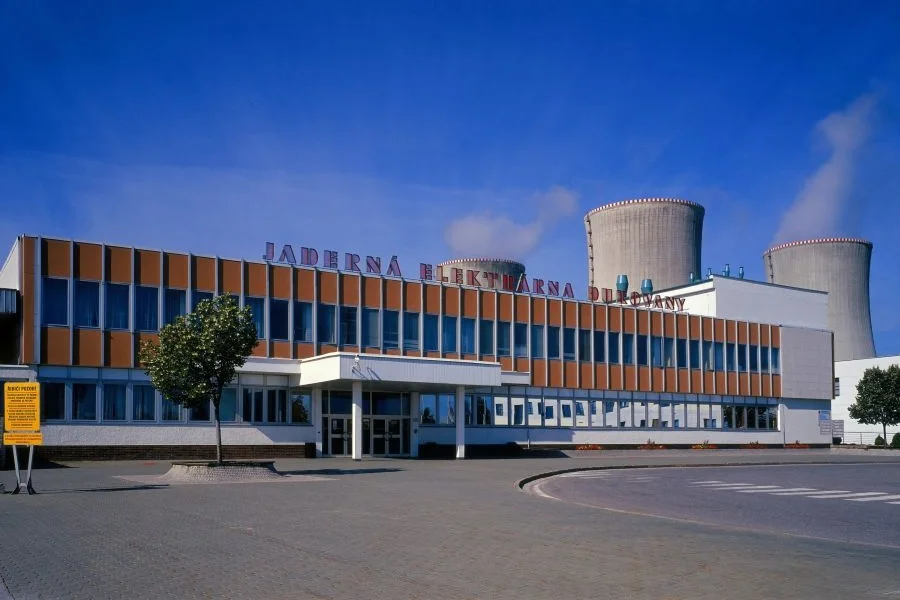
Foto: NPP Dukovany | ČEZ
The possible extended operation does not, according to the company, conflict with planned new-build projects, including additional reactors in Dukovany and small modular reactors. The background is the expected significant increase in electricity consumption, which will require additional low-CO₂ capacity.
Investment and positive effects on numerous companies in the country
Czech nuclear power plants invest around seven billion crowns annually in safety and modernisation. Numerous companies across the country benefit from this – from traditional engineering firms to specialised nuclear technology companies. The projects secure jobs while also creating export opportunities.
Operation beyond 80 years would require extensive modernisation. Plans include, among other things, the replacement of key components such as generators, the renewal of pipelines and valves, and the gradual introduction of new control and safety systems.
Decisions on extending operational lifetimes are taken under the strict supervision of the State Office for Nuclear Safety. Comprehensive safety inspections are carried out at regular intervals, including periodic assessments every ten years.
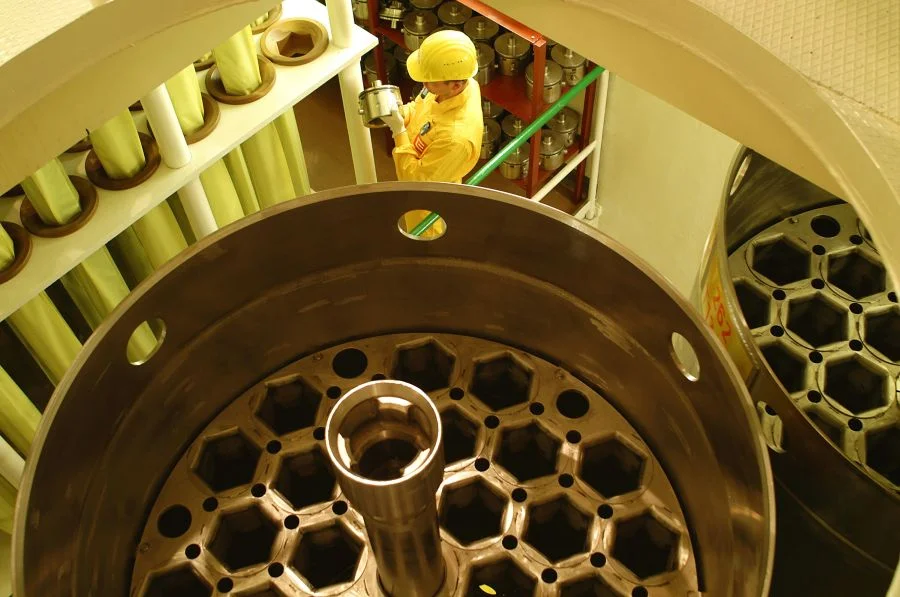
Foto: ČEZ
Capacity increase through modernisation
The existing reactors have already undergone technical upgrades in recent years. The units in Dukovany now achieve an output of around 512 megawatts, while Temelín stands at approximately 1,086 megawatts – significantly more than at the time of their original commissioning. According to ČEZ, this corresponds in calculated terms to the output of an additional reactor unit.
Further modernisation steps are already planned. In Dukovany, key parts of the machinery, including turbines and generators, are to be replaced. At the same time, both sites are advancing extensive programmes to modernise control and safety systems.
The reactor pressure vessels are also subject to long-term monitoring. Based on current findings, replacement is not necessary, and their technical condition continues to meet all requirements for safe operation.
Tags
More from Business