

From Security to Swarm Intelligence: FEL ČVUT Prague Develops a New Generation of Drones
A key element of the research is the orientation towards natural models such as the behaviour of flocks of birds
Foto: Tomáš Plíšek | FEL ČVUT
Researchers in Prague are working on new highly secure drones as well as autonomous robot swarms for the protection of critical infrastructure – initial tests show significant progress in safety and coordination.
Researchers from the Multi-Robot Systems Group (MRS) at the Faculty of Electrical Engineering of the Czech Technical University Prague (FEL ČVUT) are working on the development of highly secure drones as well as autonomous robot swarms. The aim is to create systems that can operate reliably even without GPS and direct human control. Initial results from two ongoing projects were presented on Monday, 13 April during flight tests in South Bohemia.
The focus of the first project is the development of a fully secured drone system for the monitoring and protection of critical infrastructure, including nuclear power plants, military facilities and key industrial sites. According to project leader Martin Saska, all components and the software used are to come from European sources. This is intended to reduce dependence on non-European technologies and prevent potential risks from industrial espionage.
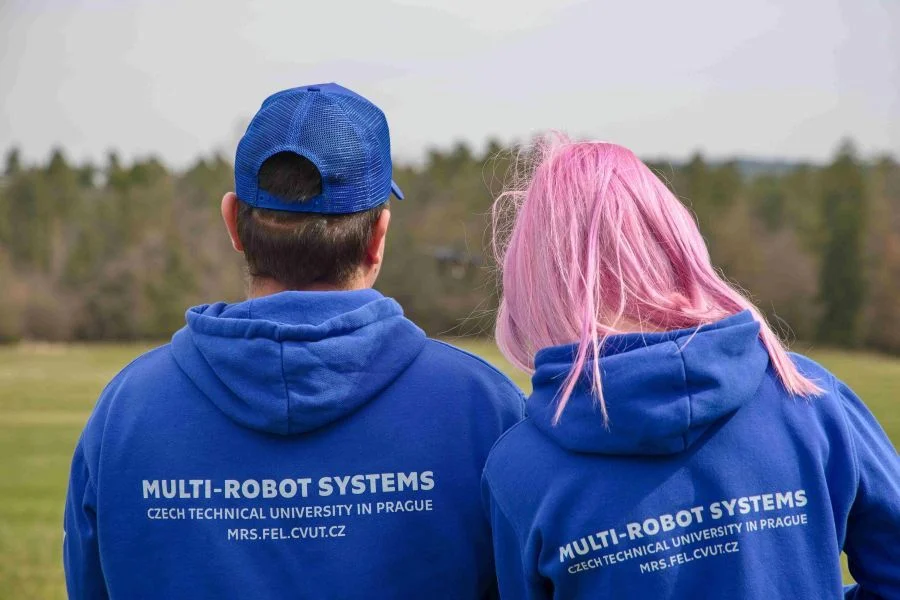
Foto: Tomáš Plíšek | FEL ČVUT
More than 100 researchers from the MRS group as well as the spin-off Fly4Future are working on the project. According to the developers, a central challenge is to ensure the complete security of the hardware used. Even individual components could pose a risk, for example if they transmit data unnoticed. Comparable security requirements already exist in the United States, where certain components are excluded from sensitive drone systems.
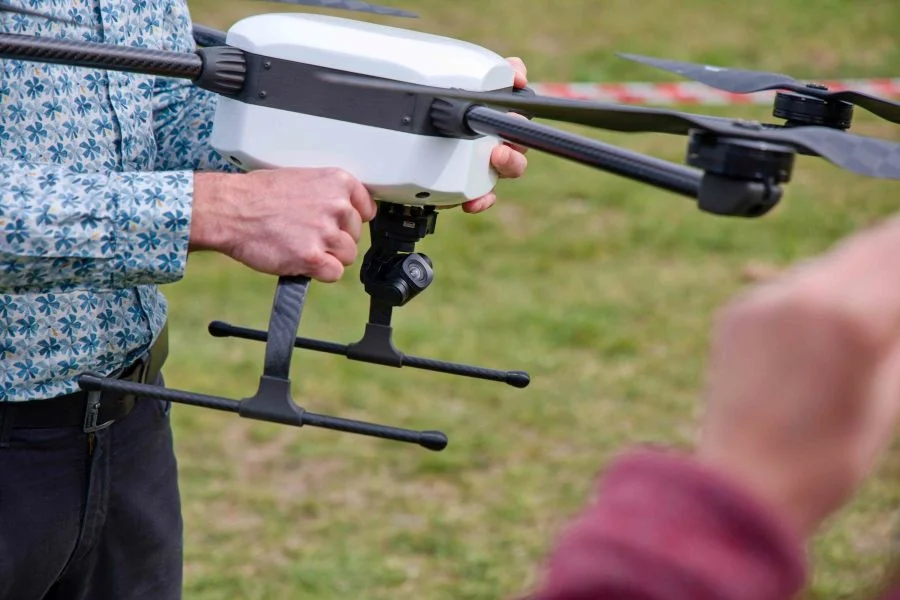
Foto: Tomáš Plíšek | FEL ČVUT
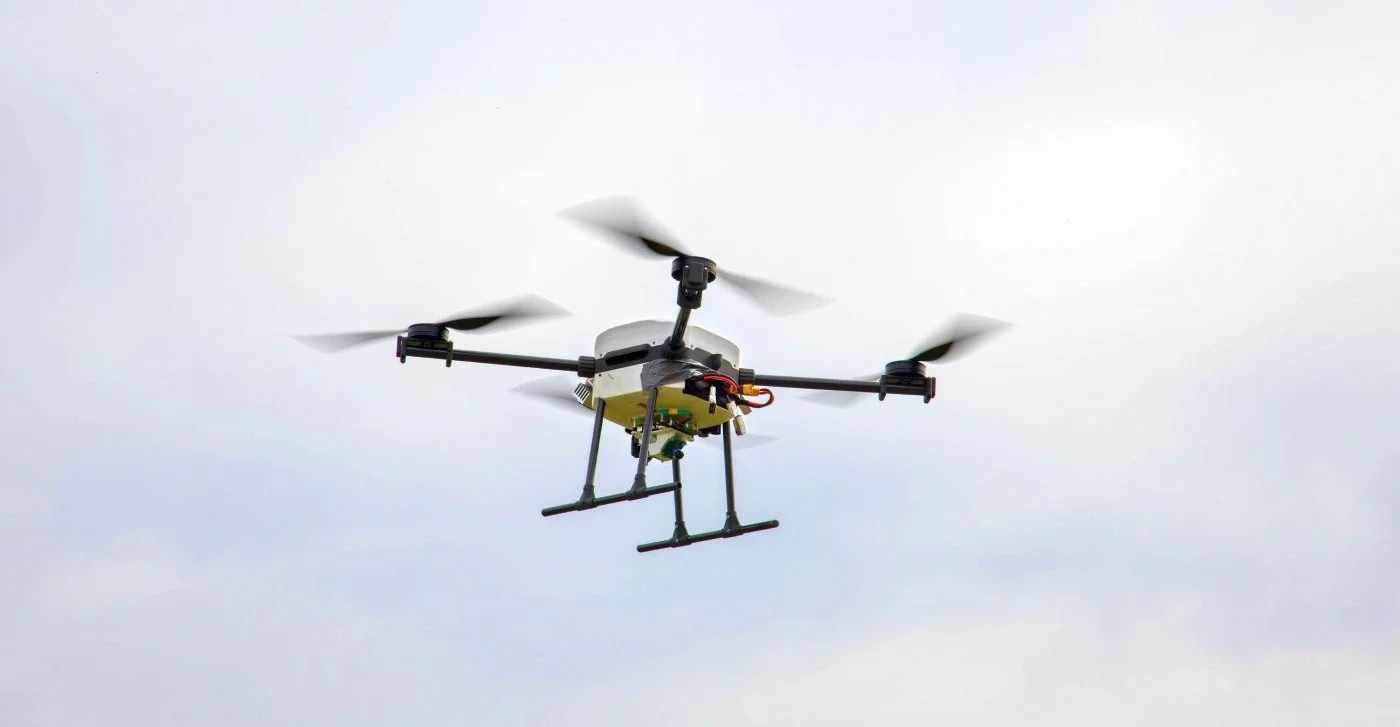
After two years of the project, the team has already developed a robust and modular platform. It is resistant to difficult weather conditions and can be flexibly equipped with different sensors, cameras and computing units. In addition, a secured flight controller and an in-house communication system have been integrated, based on so-called mesh technology and particularly relevant for operations in large-scale areas.
The drones are regularly tested under real conditions, including in open-cast mining areas in the north of the country. These large and complex environments are considered particularly demanding, as they feature dust, challenging terrain and limited GPS signals.
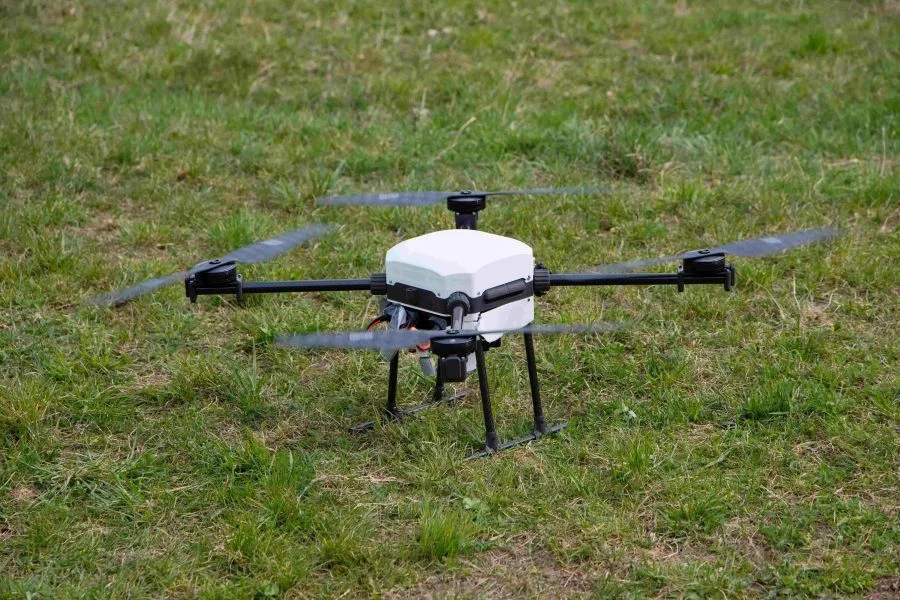
Foto: Tomáš Plíšek | FEL ČVUT
At the same time, the team is working on a second project focusing on the development of dynamic drone swarms. These systems are intended to be able to coordinate in real time and operate stably even in the event of GPS or communication failures. Possible fields of application range from monitoring critical infrastructure to rescue operations in hard-to-access terrain.
A key element of the research is the orientation towards natural models. In cooperation with scientists from the field of biology, the team analyses the behaviour of flocks of birds. The aim is to understand the mechanisms behind their highly dynamic and collision-free movements and transfer them to autonomous systems.
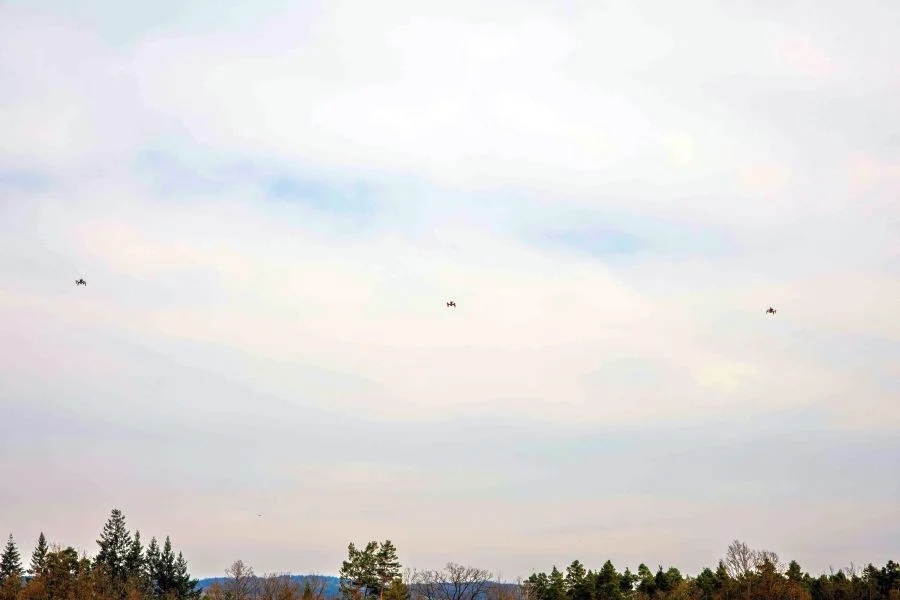
Foto: Tomáš Plíšek | FEL ČVUT
The combination of robotics, artificial intelligence and biological research could therefore set new standards for autonomous flight systems. The developers see the progress achieved so far as having clear potential for applications in safety-critical areas as well as in everyday use in industry and science.
Czech Technical University Prague (FEL ČVUT)
Website | Facebook | Instagram