

Prague Zoo Celebrates Rare Birth of Critically Endangered Spider Monkey
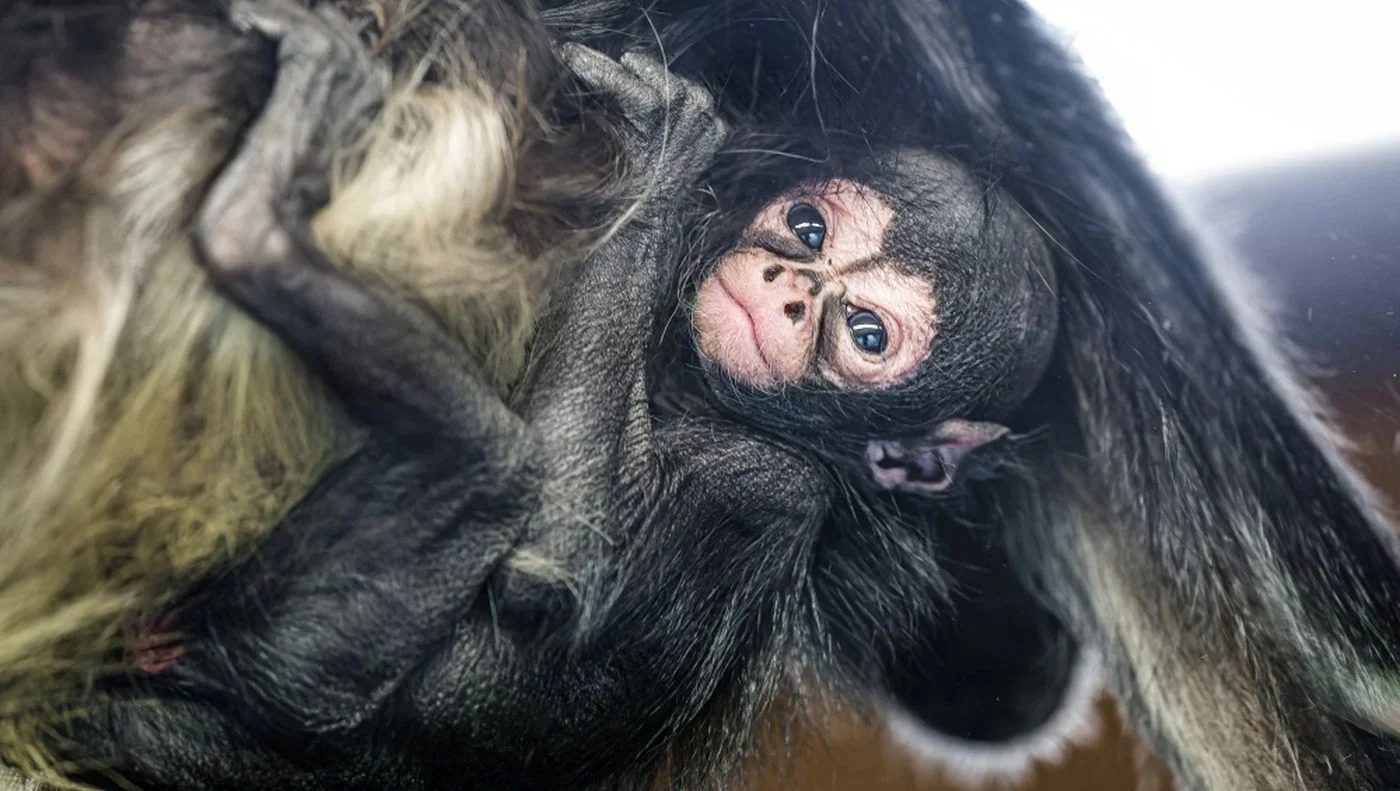
According to the zoo, the young primate is doing well: it is drinking its mother’s milk, appears alert and rarely leaves her stomach fur
Foto: Petr Hamerník | Zoo Praha
Rare animal births are unusual even in large zoos — making the latest arrival at Zoo Praha all the more special. In mid-April, a baby of the critically endangered Mexican subspecies of the Central American spider monkey was born there.
Zoo Praha has welcomed a new addition among its Mexican subspecies of Central American spider monkeys. According to the zoo, the young primate, which was born on 13 April, is doing well: it is drinking its mother’s milk, appears alert and rarely leaves her stomach fur. Visitors can observe the baby on the Monkey Islands in the lower part of the zoo.
The Mexican subspecies of the Central American spider monkey is considered one of the most endangered primates in Central America and is kept in only three zoological institutions across Europe. Zoo Praha is regarded as one of the most successful breeders of these rare animals. Since the species was first introduced there in 2005, the zoo has successfully raised eight young monkeys. The current birth is the first promising offspring since 2022.
“The young spider monkey appears healthy, alert and interested in its surroundings. It is already observing its mother’s behaviour and is currently fully dependent on her milk,” said primate curator Jan Mengr. The mother has so far behaved very protectively and allows hardly any other animals near the baby. The sex of the young monkey is not yet known.
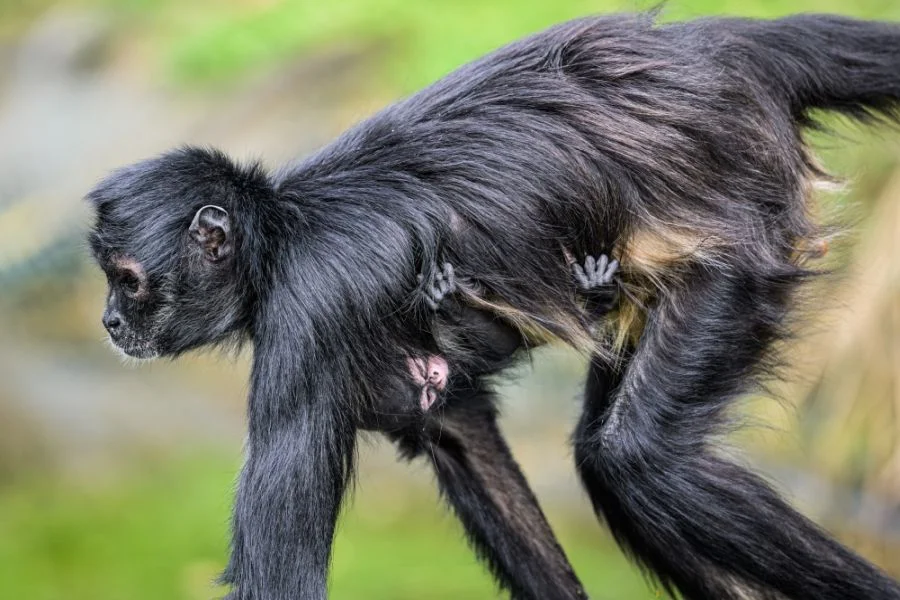
Foto: Petr Hamerník | Zoo Praha
The animals live in tropical forests from southern Mexico to Brazil. The Mexican subspecies can be found in Mexico, Belize, Guatemala, Honduras and El Salvador, among other countries.
The greatest threat to the species is considered to be the ongoing loss of its natural habitat. Experts warn that populations could decline by up to half by 2060. Illegal wildlife trafficking is also placing additional pressure on the already small populations. In parts of southern Mexico, poached animals are still sold as exotic pets.
Conservation efforts are further complicated by the species’ slow reproduction rate: females usually give birth to only a single offspring every two to four years.
The six-member group at Zoo Praha currently consists of the parent pair, two older young monkeys and another unrelated female monkey. According to keepers, the three-year-old male is particularly curious and playful.
The diurnal primates can be seen throughout the zoo’s opening hours. In April and May, Zoo Praha is open daily from 9 a.m. to 6 p.m. The animals spend most of the day in the outdoor enclosure on one of the Monkey Islands between the gharials and tapirs. Their diet includes leafy vegetables, specialised primate feed, dried fruit and various types of nuts.
Prague Zoo (Zoologická zahrada hl. m. Prahy)
Website | Facebook | Instagram
Tags
More from Culture & Entertainment

Electronic Music Legend Jean-Michel Jarre is Coming to Prague in October 2027

Prague Christmas Markets 2026: All Dates at a Glance