


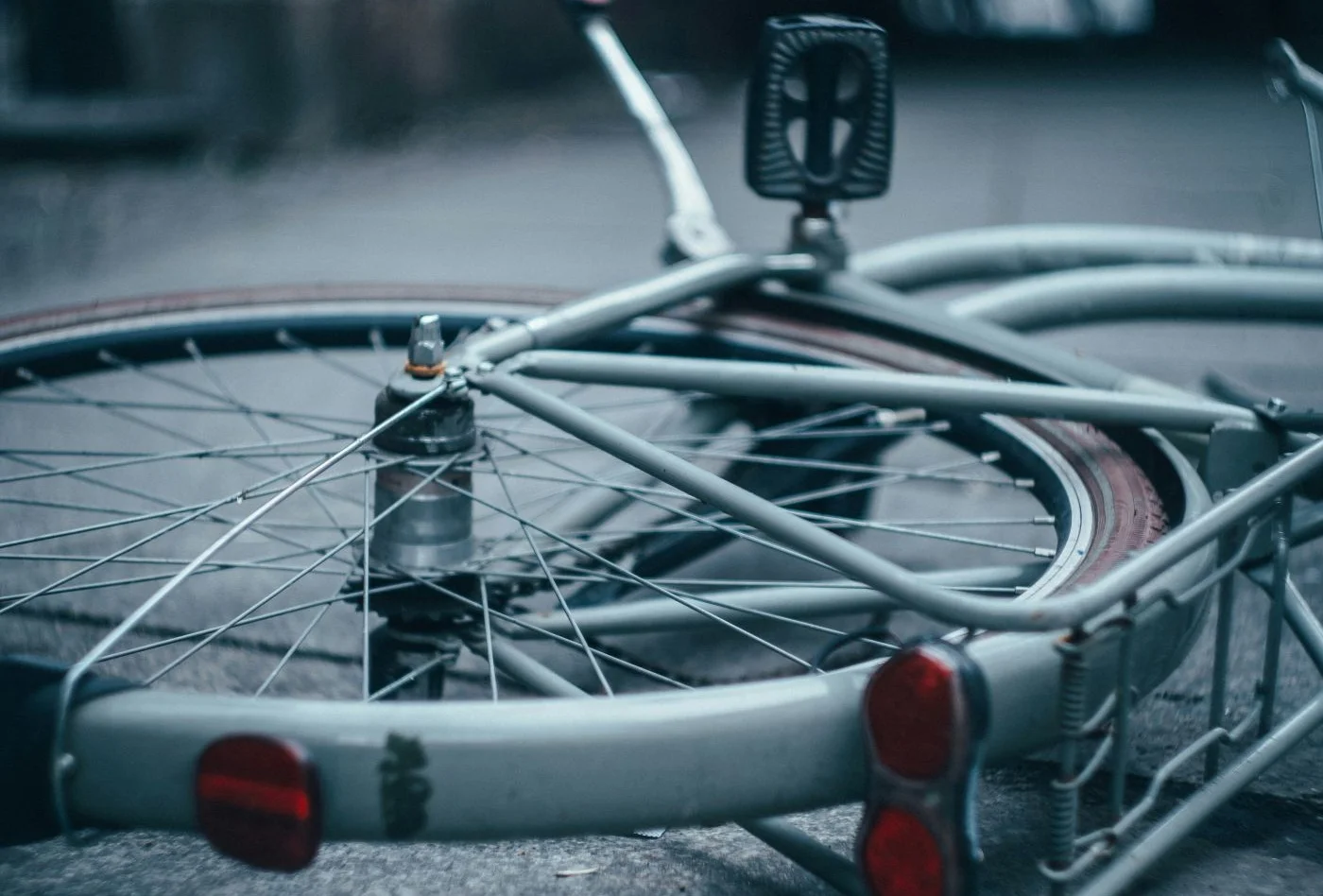
More Bicycle and Scooter Accidents in Prague: Experts Criticise Lack of Infrastructure
Cycling in Prague has been growing steadily for years – yet too little is being invested in safe transport infrastructure
Foto: Mirkos Tsarouchidis | Unsplash
The number of accidents involving bicycles and e-scooters in Prague reached a new record high in 2025. The number of injuries also continues to rise. The organisation AutoMat sees this as a clear sign that cycling infrastructure is failing to keep pace with growing usage.
According to a new analysis by the organisation AutoMat, more accidents involving bicycles and scooters were recorded last year than ever before. While the number of serious injuries returned to the level of previous years, the overall number of accidents and minor injuries increased significantly. According to AutoMat, cycling in Prague has been growing steadily for years – yet too little is being invested in safe transport infrastructure at the same time.
Experts are particularly critical of the slow development of new cycle routes. Last year, only four kilometres of new protected cycling infrastructure were built in Prague. These consisted exclusively of shared pedestrian and cycle paths in outlying parts of the city. No new cycle path had been built at all in 2024.
“Infrastructure development is failing to keep pace with rising demand for active mobility,” AutoMat said in its analysis. Combined with increasing motorised traffic, this is creating a dangerous situation for cyclists and scooter users.
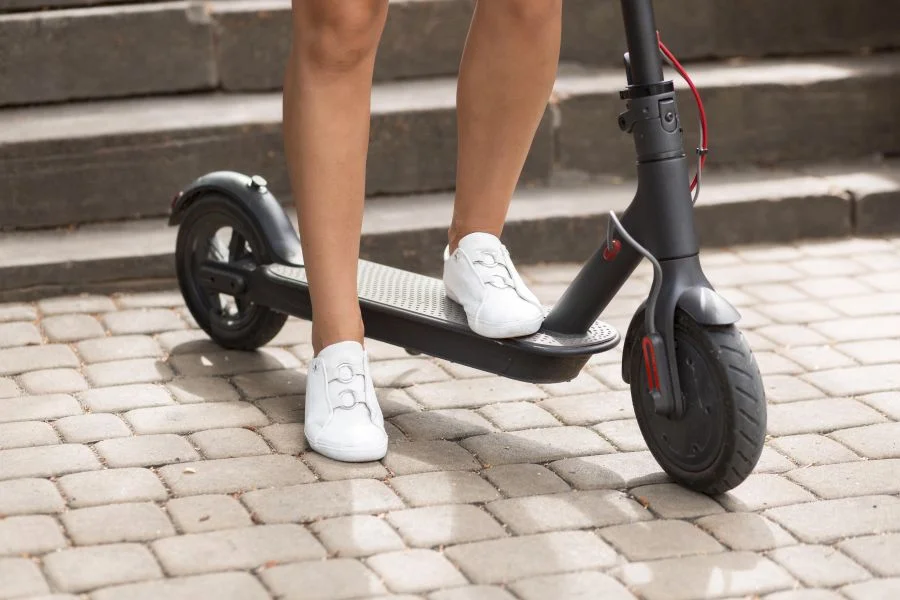
Foto: Freepik
The statistics also show a sharp increase in e-scooter accidents. The number of recorded accidents involving electric scooters rose from 38 cases in 2023 to 106 accidents in 2025. Particularly striking was the sharp increase in collisions between e-scooters and pedestrians. According to the statistics, eleven such accidents were recorded last year – almost three times as many as in 2024.
However, AutoMat points out that the official data still contain inaccuracies. Electric scooters are still partially classified incorrectly as motorised vehicles, even though Czech law defines them as non-motorised vehicles.
The analysis also suggests that shared mobility services alone cannot be blamed for the rising accident figures. The number of accidents involving privately owned bicycles and scooters is also increasing.
In central Prague, the right-bank Vltava riverside route remains a particular problem area. According to the analysis, dangerous situations occur especially frequently on Smetanovo nábřeží. Tram tracks also continue to pose a significant risk for cyclists. Last year, there were seven collisions between bicycles and trams – fortunately, all resulted only in minor injuries.
Overall, four people died in accidents involving bicycles or scooters. Two of the fatal accidents occurred on Strakonická Street and in Klánovice.
Despite the rising number of accidents, the data also show another trend, according to AutoMat: the proportion of accidents directly caused by cyclists or scooter riders is declining slightly. In collisions with other road users, primary responsibility lay with users of non-motorised vehicles in fewer than 40 per cent of cases.
AutoMat: Promoting Better Living Conditions in the City
The organisation AutoMat advocates better living conditions in the city. It supports public transport, walking and cycling, as well as the responsible use of cars. At the same time, the organisation brings inspiration from European capitals to Prague and encourages people to take an active role in shaping streets and public spaces. AutoMat also monitors political decisions and advocates the efficient use of public funds. Together with residents, the organisation aims to help create a city where people enjoy living.
Tags
More from News
Prague Ambulance Service Receives 25 New Ambulances

Prague Metro D: Tunnelling Begins in Nové Dvory