

Survey: Václav Havel remains the most popular president since 1989 – Petr Pavel ranks third
Petr Pavel scores highly for international representation but loses support on social cohesion
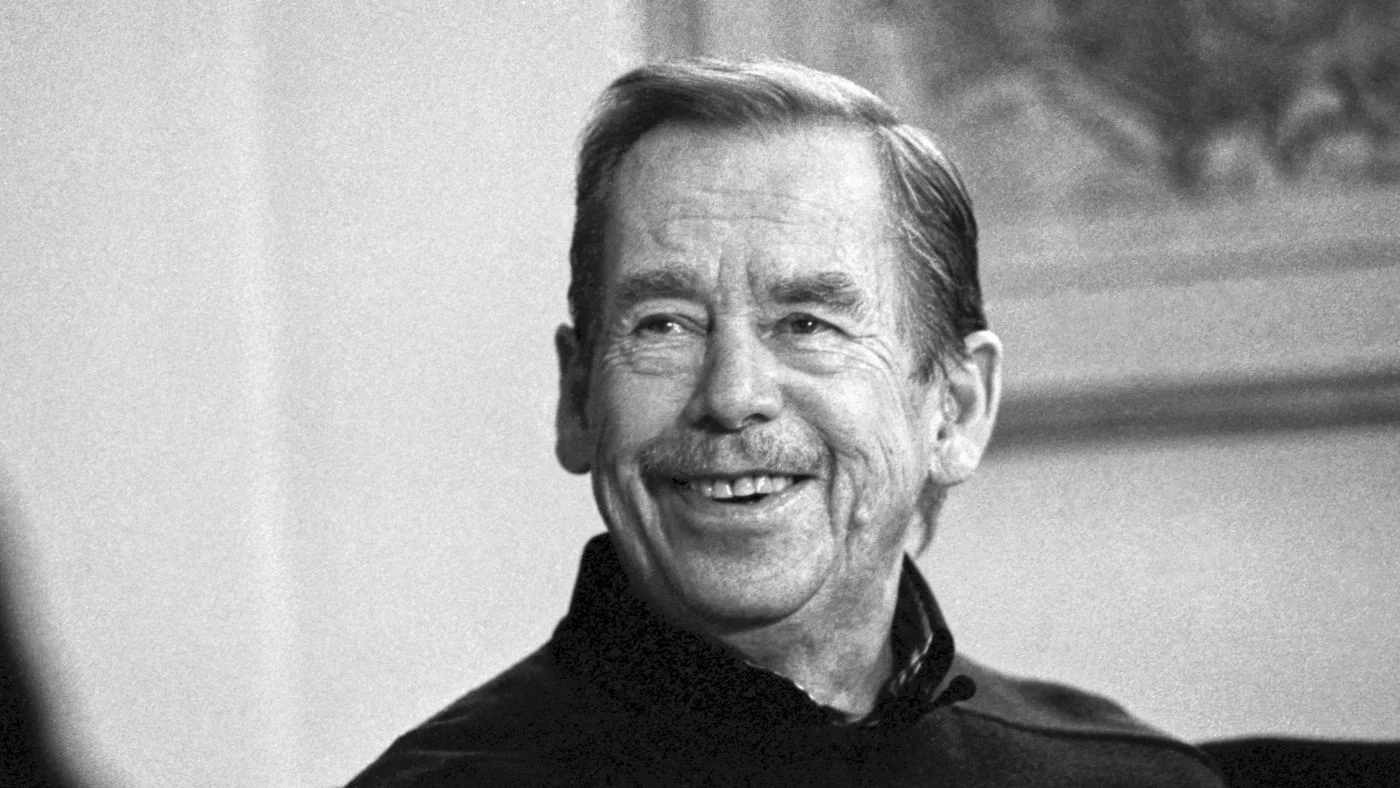
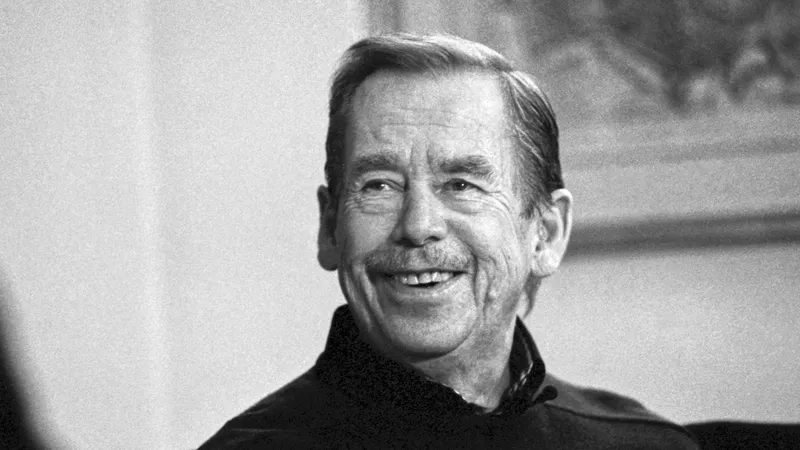
Foto: Knihovna Václava Havla
More than three decades after the Velvet Revolution, Václav Havel remains, for many people in the Czech Republic, the country’s most significant president.
Former president Václav Havel remains by far the highest-rated president of the Czech Republic since 1989, according to a new survey by the research agency STEM/MARK. Incumbent president Petr Pavel ranks third behind Václav Klaus. Miloš Zeman remains at the bottom of the ranking.
The survey was conducted among the Czech population aged 18 and over. The research forms part of a long-term “presidential tracking” project covering the period from 2025 to 2028.
Under the current school grading system, President Petr Pavel received an average score of 2.9. This marks a slight decline compared with October 2025, when he received a score of 2.6.
According to the study, respondents continue to rate highly his public appearances, visits to regions across the country and the international representation of Czech interests. Pavel also performed comparatively well in his handling of presidential powers. The authors of the study partly attribute this to the fact that the former NATO general adapted quickly to the presidency despite his lack of political experience.
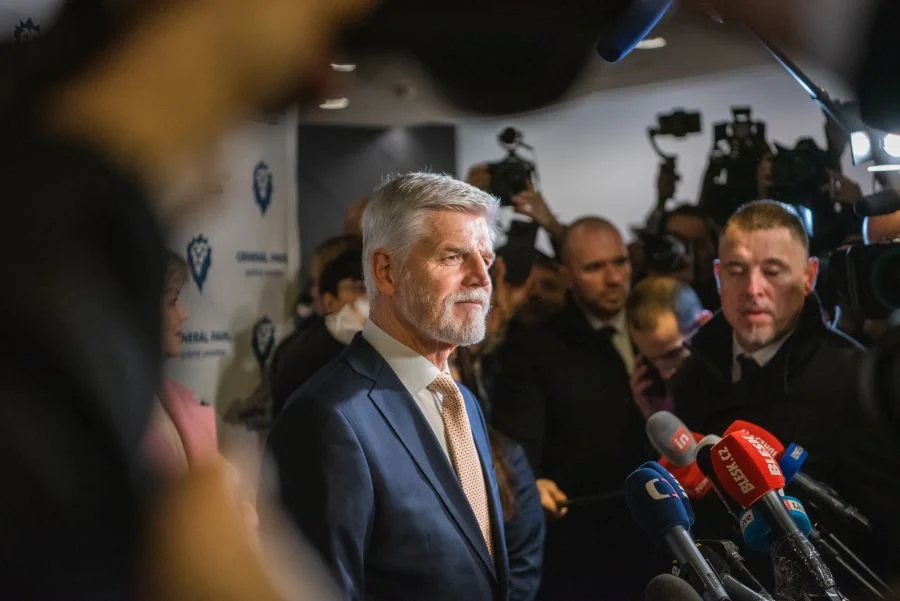
Foto: Petr Pavel | Facebook
Ratings were weaker, however, in the area of domestic politics. In particular, Pavel recorded the sharpest decline since the previous survey in relation to resolving political conflicts and fostering social unity.
According to STEM/MARK, the president receives particularly positive ratings from younger people under 30, university graduates and higher-income groups. Voters of the governing SPOLU coalition, the STAN party and the Pirate Party also assess him predominantly positively.
“Since the last measurement in October 2025, Petr Pavel has declined particularly among government voters. This may be linked to the ongoing tensions between some government representatives and the president,” said Jan Burianec of STEM/MARK.
Pavel also lost support in areas that had previously received comparatively positive cross-party ratings. For example, the share of supporters of Andrej Babiš who rated Pavel’s public appearances with grades one or two fell from 35 to 25 per cent.
In the long-term comparison, Václav Havel remains, according to the study, “unreachable”. Younger generations in particular value his humanist and democratic influence following the Velvet Revolution. Václav Klaus, meanwhile, is perceived as the least polarising president.
The study also highlights clear differences depending on education level and political orientation. People without a secondary school diploma rate Miloš Zeman above average, while respondents with higher education are significantly more likely to favour Václav Havel.
According to the researchers, there is also a strong connection between positive ratings of Václav Havel and Petr Pavel. Those who view Havel positively also tend to have a favourable opinion of the current president.
More from Politics & Education
Czech Republic Prepares for the 2026 Municipal and Senate Elections
Prague Commemorates Václav Havel with a Full-Day Programme