

Popular Letná Cultural Centre Cleared to Continue Operations
Prague City Council has reinstated the cultural centre in the city’s so-called market regulations
Foto: Stalin | Facebook
After months of uncertainty, the future of the popular meeting place on Prague’s Letná has been secured for the time being. However, the poor structural condition of the pedestal remains unresolved.
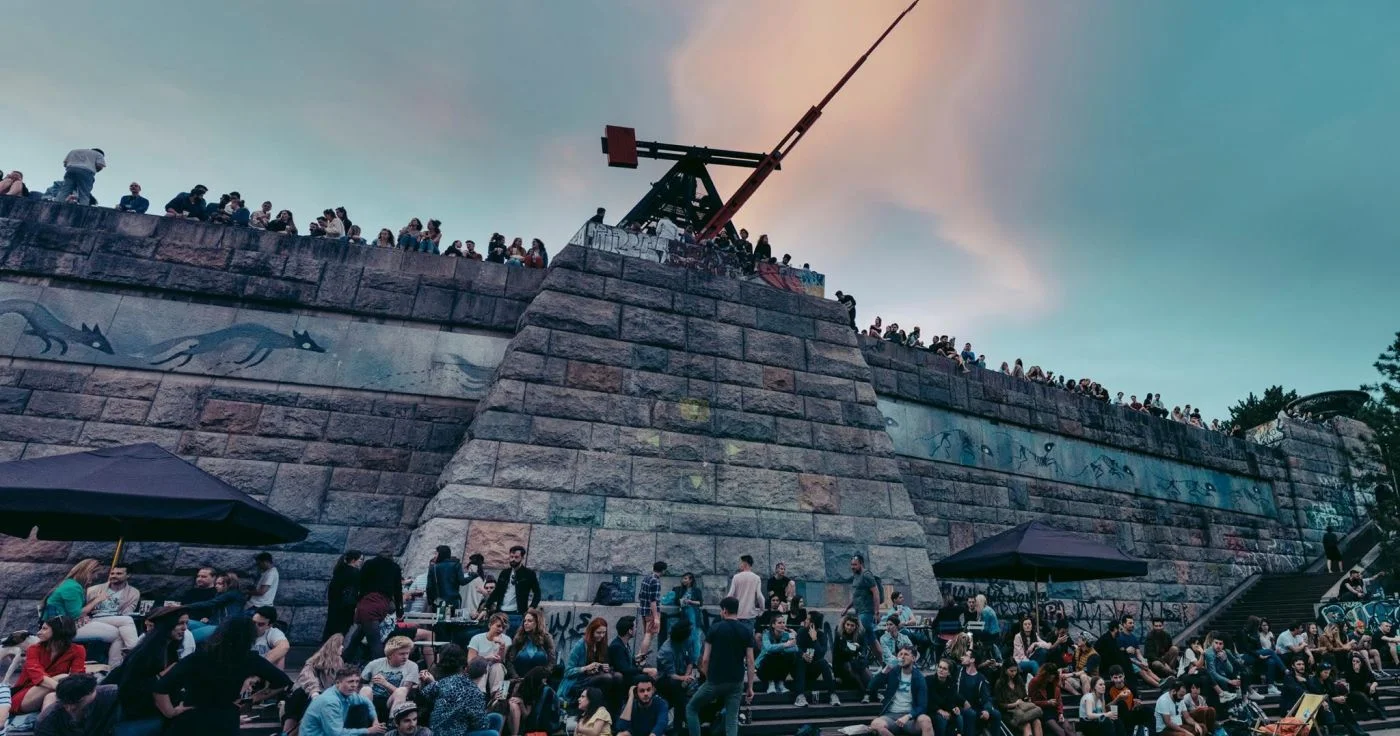
The Stalin Cultural Centre on Prague’s Letná can continue operating. Prague City Council has reinstated the venue at the former site of the monument to Soviet dictator Joseph Stalin in the capital’s so-called market regulations.
The decision was made at the beginning of the week following a proposal by the Pirates. The city government had previously removed the cultural centre from the regulations, putting its continued operation at risk. The market regulations specify the locations in Prague where commercial activities may take place.
Poor Condition of the Pedestal
According to city councillors, the original removal was prompted by the increasingly poor structural condition of the pedestal of the former Stalin Monument. Individual parts of the structure must be secured regularly. Adam Zábranský, the city councillor responsible for property, therefore raised the possibility in the spring of filling the cavities in the pedestal with foamed concrete.
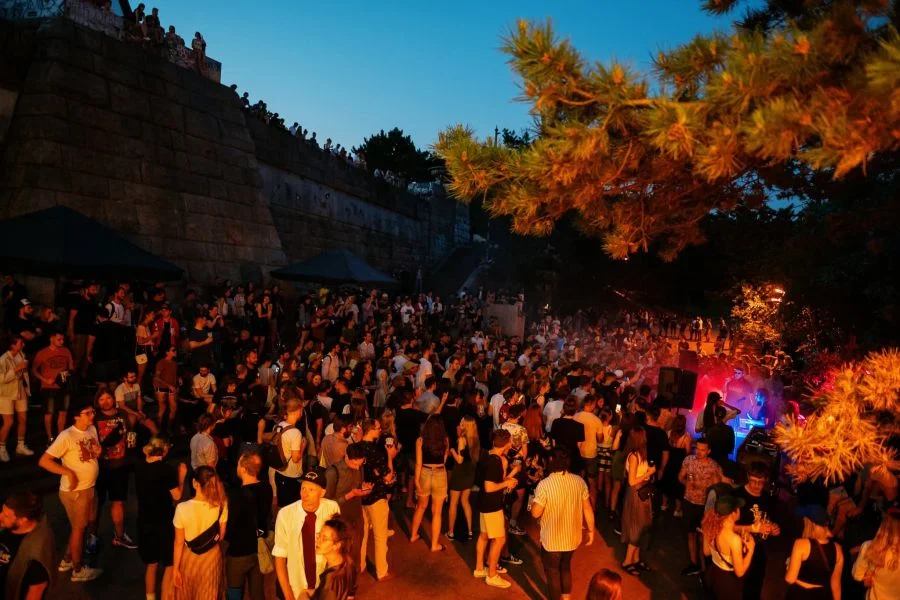
Foto: Stalin | Facebook
“For a long time, Prague has dealt with this site by repairing the areas in the worst structural condition each year. However, this is not a genuinely long-term solution. We need to consider how to solve the problem permanently,” said Zábranský.
Zábranský stressed that the condition of the monument’s remains is already assessed regularly and that the city acts in accordance with the findings of these assessments. However, a long-term solution will have to be found by Prague’s next political leadership.
Problems as Early as Last Year
The cultural centre, which offers concerts and other events alongside food and drink, already encountered difficulties with the city administration last year. The municipality initially did not want to renew its lease.
At the time, Zábranský said the reason was that the rooms beneath the former monument had been used for storage, contrary to their approved use under building regulations. The centre subsequently had to close temporarily but later resumed operations in the outdoor area.
The Stalin Monument was erected in 1955. Standing more than 15 metres high, twelve metres wide and 22 metres long, it was considered the largest group sculpture in Europe at the time. The site, which was intended to symbolise the power of the authoritarian regime in the 1950s, has acquired a completely new meaning over the decades – as a symbol of change, openness and cultural freedom.
More from Culture & Entertainment

Botanical Garden Prague invites visitors to pumpkin exhibition inspired by the prehistoric world
Robbie Williams to Headline Colours of Ostrava 2027