

More Than 3,000 Kilometres of Historic Paths Around Prague Have Disappeared
A new study by the Prague Institute of Planning and Development examines how old paths could be restored and used by pedestrians, cyclists and for nature conservation
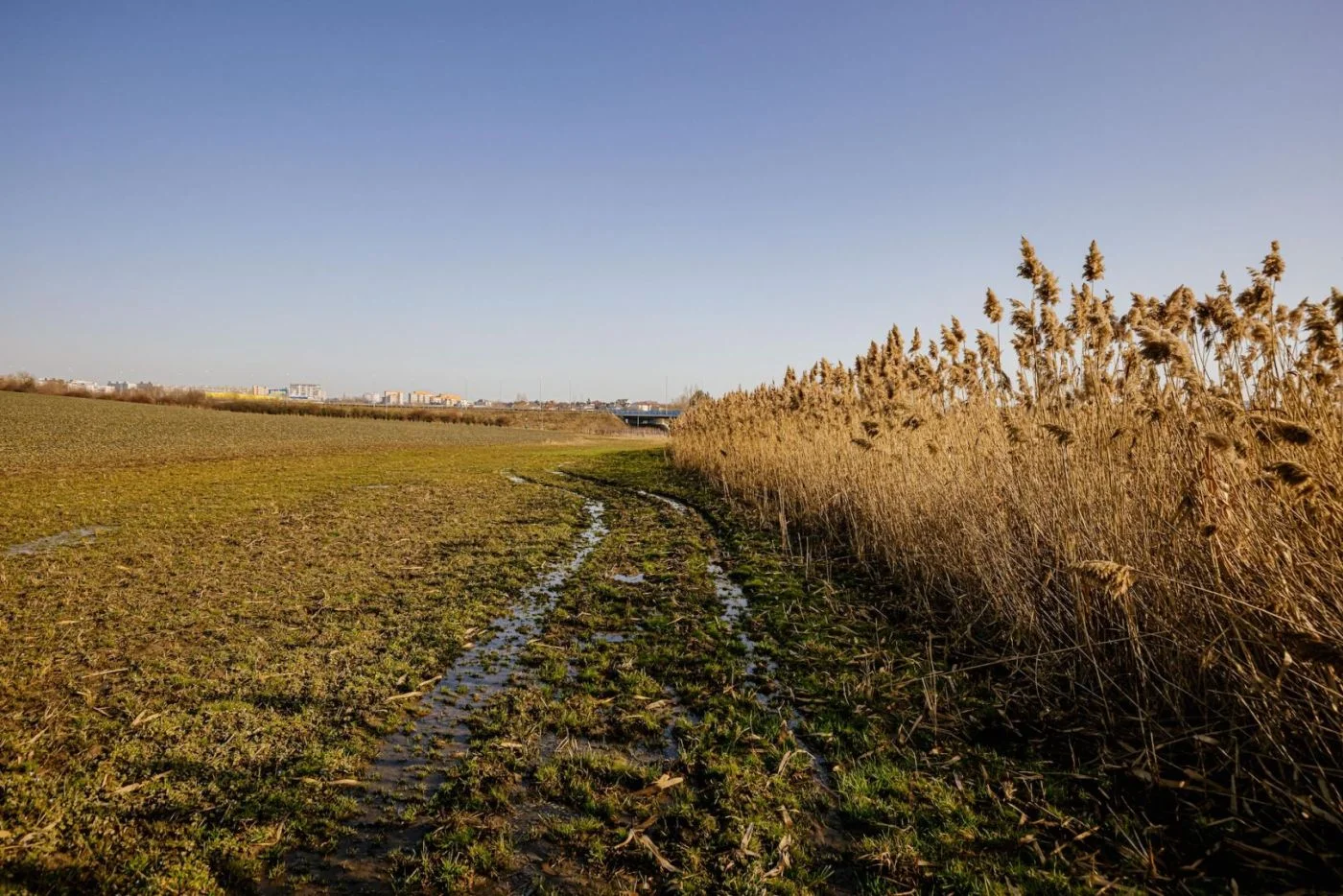
Foto: IPR Praha
Old paths could once again connect Prague more closely with its surrounding areas in the future. A new study shows how restoring them could promote walking and cycling while also protecting nature and the landscape.
More than 3,000 kilometres of historic paths have disappeared over time in Prague and its surrounding areas. The Prague Institute of Planning and Development (IPR Prague) has now examined which of these routes could be restored and what potential they offer for expanding green infrastructure and a network of traffic-free paths.
The landscape on Prague’s outskirts and in its surrounding areas is increasingly suffering from fragmentation, a lack of vegetation and the gradual loss of its historical identity. According to experts, old paths could help to reverse this development, at least in part.
“Land in Prague and the surrounding areas belongs to numerous owners. This makes it difficult to create new paths or green spaces,” explains Marek Zděradička, Head of the Infrastructure Department at IPR Prague. The aim of the study was therefore initially to identify those vanished paths that remain listed in the land register and are often still owned by municipalities.
As a result, many of these routes could be restored relatively easily. The institute presented the study to mayors from surrounding municipalities and Prague districts as early as June. Existing projects were used to encourage other municipalities to develop their own plans.
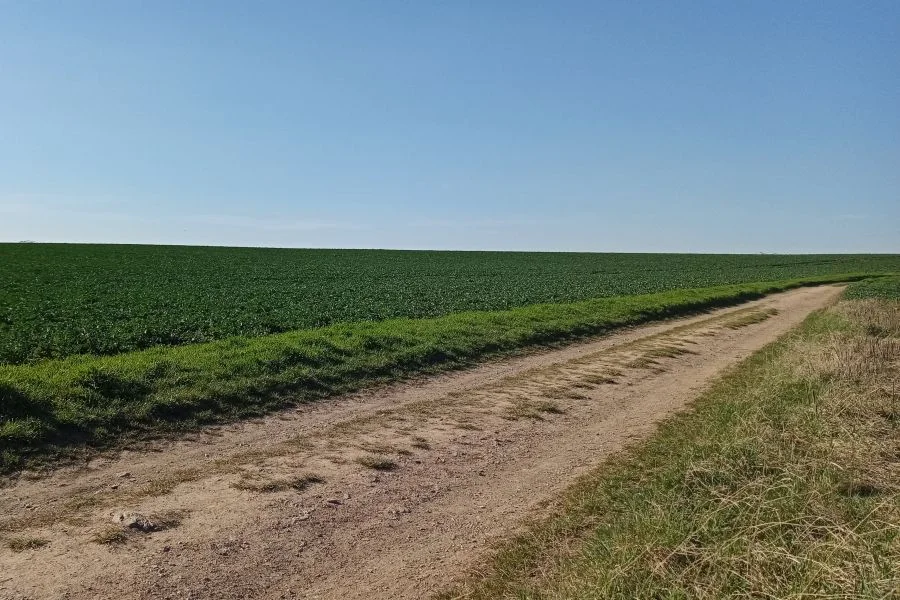
Foto: Prague Daily News
Benefits for People and Nature
According to IPR, more than half of the vanished paths are still owned by municipalities. Further sections belong to the state or the region. This means that relatively favourable conditions exist for restoring a large proportion of the historic routes.
Some municipalities and Prague districts have already begun making old paths accessible again. The study aims to draw attention to the largely untapped potential of such low-cost measures.
At the same time, the paths could help address the consequences of climate change, increasing traffic volumes and continuing urbanisation. Rows of trees, shrubs and green strips along the paths promote biodiversity, limit soil erosion and can reduce dust and noise. They also provide habitats for numerous animal species.
Prague Has Always Been a Transport Hub
Due to its geographical location, Prague was an important European trade and transport hub for centuries. An extensive network of trade and pilgrimage routes developed around the city, leading to places including Prague Castle or connecting with the Way of St James.
More than half of the original trade routes now follow the same course as modern motorways. This is because the historic routes already followed the most favourable possible paths through the terrain.
In the future, the vanished routes could play an important role, particularly for local recreation, walking and cycling. At the same time, they could provide people travelling without a car with better access to the countryside and strengthen the connection between the city and nature.