


National Museum Exhibits New Artwork at Jan Palach Memorial
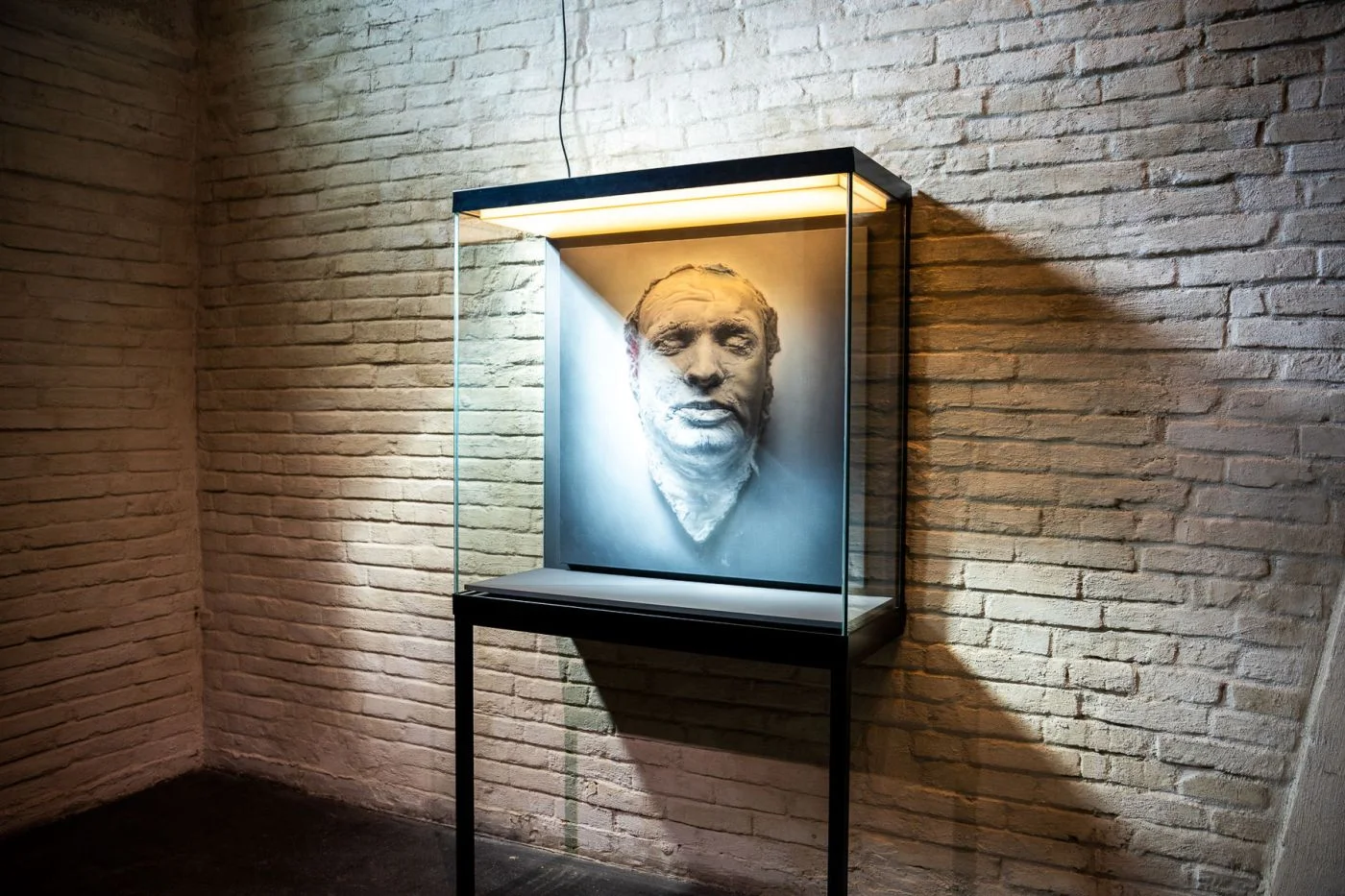
Hynek Martinec’s painting ‘Jan Palach 1969’ depicts Palach’s death mask and complements the memorial’s historical exhibition
Foto: Národní muzeum Praha
A contemporary painting complements the historical exhibition at the Jan Palach Memorial in Všetaty. The work depicts Palach’s death mask, created by Olbram Zoubek.
To mark the anniversary of the occupation of Czechoslovakia on 21 August 1968 and Jan Palach’s birthday, the National Museum in Všetaty is presenting a contemporary artwork exploring his legacy.
The painting ‘Jan Palach 1969’ by Czech-British artist Hynek Martinec depicts Palach’s death mask, created by Olbram Zoubek. The work has been loaned indefinitely by private collector Václav Nekvapil.
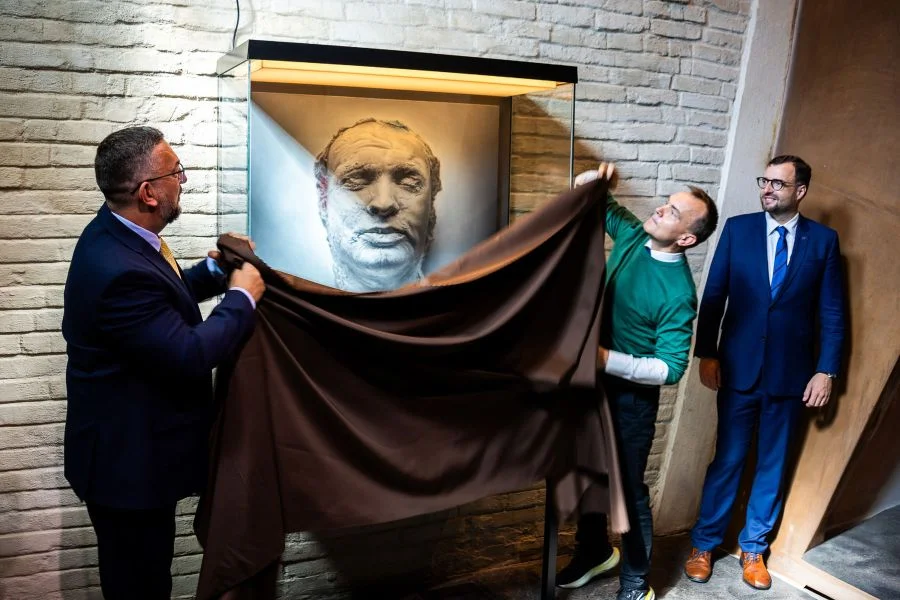
Foto: Národní muzeum Praha
‘More than five decades separate us from the events of 1968 and 1969. Nevertheless, Palach’s legacy also speaks to people who did not experience that period themselves,’ explains Michal Lukeš, Director General of the National Museum. The painting brings a contemporary perspective to the memorial and enables visitors to approach Palach’s legacy through modern art.
Changing Artworks Commemorate Palach’s Legacy
The presentation of a single artwork at a time forms part of the memorial’s long-term concept. The works displayed are thematically connected to Jan Palach and his legacy. The first work exhibited there was the sculpture ‘Zlatý Jan’ by Olbram Zoubek. It was followed by an assemblage by Jiří Sozanský and a photograph taken by Bohdan Holomíček in January 1969. The photograph has since become part of the permanent exhibition.
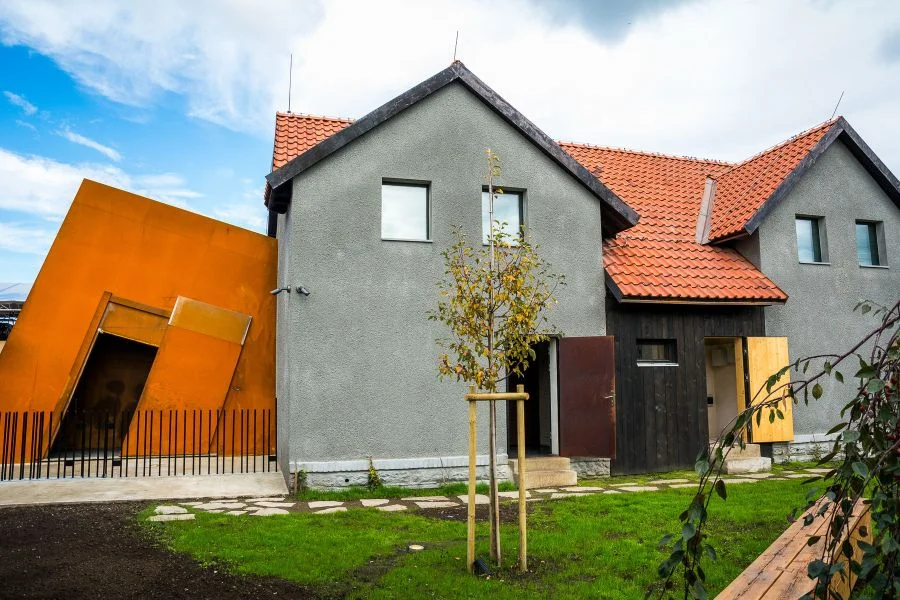
Foto: Národní muzeum Praha
Most recently, the sculpture ‘Plamen’ by Jiří Jílek was on display. It has now been replaced by Martinec’s painting. The loan was arranged with the help of the collectors’ platform EduArt Experience. The fragility of democracy and the importance of freedom have long played a significant role in Martinec’s work. The painting ‘Jan Palach 1969’ was created during the Covid-19 pandemic.
Memorial in Palach’s Family Home
The Jan Palach Memorial is located in the former family home in Všetaty, where Palach spent his childhood and youth. In 2015, the National Museum launched an art and architecture competition to redesign the building. The historical exhibition traces Palach’s life and protest. On 16 January 1969, the student set himself on fire in Prague’s Wenceslas Square. Through his act, he sought to awaken the public from its growing resignation nearly five months after the occupation of Czechoslovakia.
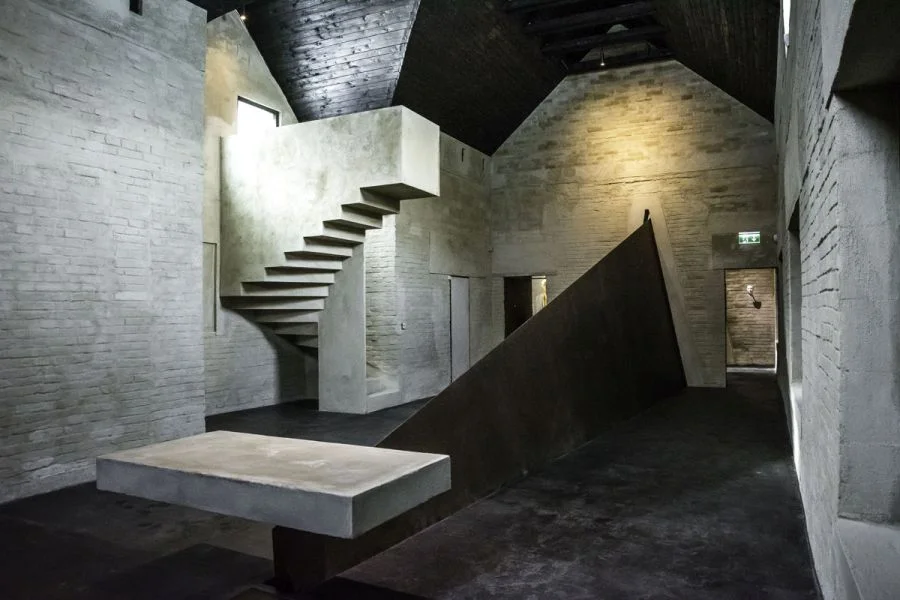
Foto: Národní muzeum Praha
Authentic objects, interactive screens and historical visual and audio recordings provide insights into Palach’s family background, his life and the events of January 1969. The exhibition also documents the reactions of society and the state authorities to his act – in 1969, during the so-called Normalisation period and following the political changes of 1989.
Among the most important exhibits are the Czechoslovak national flag that covered Palach’s body after his death and the death mask created by Olbram Zoubek. The exhibition also includes a documentary about Jan Palach, directed by Olga Sommerová for the memorial.
The Jan Palach Memorial is open from Friday to Sunday between 10 am and 4 pm. Admission is free.
Památník Jana Palacha | Jan Palach Memorial
Smetanova 337, Všetaty
National Museum Website (ENG)
More from Culture & Entertainment
Red Bull Symphonic celebrates Czech premiere with Ben Cristovao in Prague
Botanical Garden Prague invites visitors to pumpkin exhibition inspired by the prehistoric world