


Poll: Three Quarters of Czechs View Václav Havel Positively
Despite the overall high level of approval, views of the former president remain strongly shaped by age and political orientation.
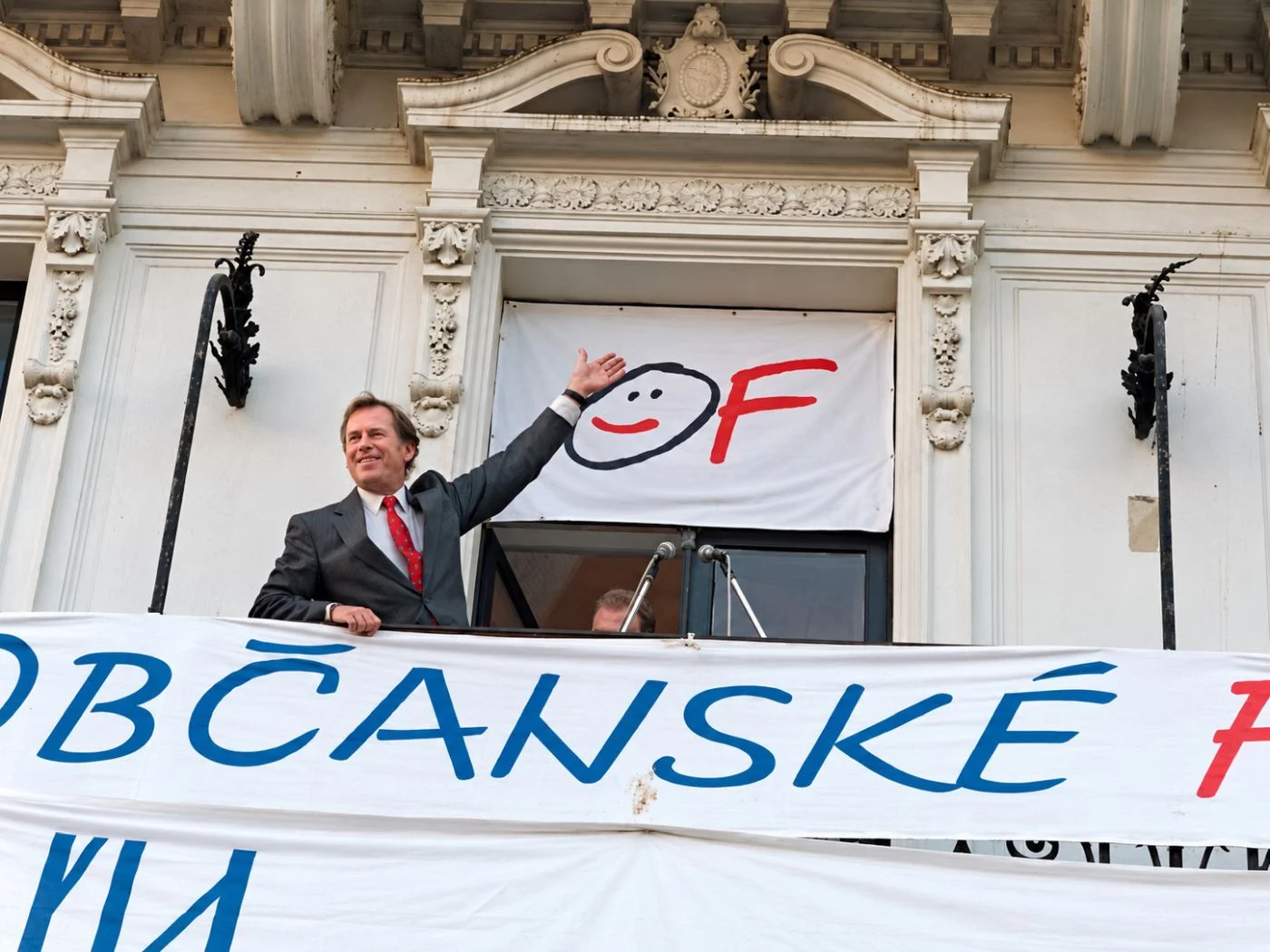
Photo: Archiv Pavel Šťastný
The reputation of former president Václav Havel has improved slightly in the Czech Republic over the long term. At the same time, there are clear differences between generations and political camps.
On the occasion of Václav Havel’s 90th birthday, a new survey by STEM institute shows that the first president of the Czech Republic after the end of communism continues to be viewed predominantly positively. 76 per cent of respondents assess Havel’s work after November 1989 positively. In 2002, the figure was 71 per cent, while in 2019 it stood at 75 per cent.
Despite the overall high level of approval, views of the former president remain strongly shaped by age and political orientation. The assessment is particularly positive among young people: among 18- to 29-year-olds, 88 per cent view Havel positively. Among people aged 60 and over, by contrast, the figure is only 60 per cent.
There are also major differences between political camps. According to STEM, Havel has an approval rating of 95 per cent among voters of the current opposition, compared with 62 per cent among supporters of the current governing coalition.
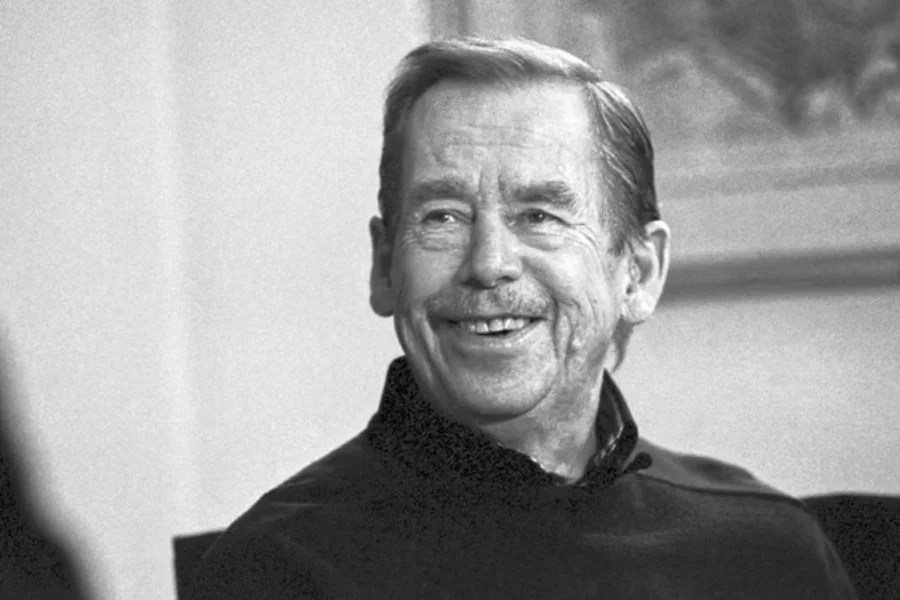
Photo: Knihovna Václava Havla
Seen Above All as a Human Rights Campaigner
Respondents most frequently associate Václav Havel with his international importance for human rights. 36 per cent see him primarily as a globally significant figure in the fight for human rights.
Here, too, there are clear differences between generations. Among 18- to 29-year-olds, 41 per cent see Havel primarily as a human rights activist, while a further 24 per cent regard him as the best president since the political changes of 1989. Among people aged 60 and over, the picture is considerably more critical. In this age group, 32 per cent see Havel primarily as a person who bears some responsibility for a large proportion of the country’s current problems.
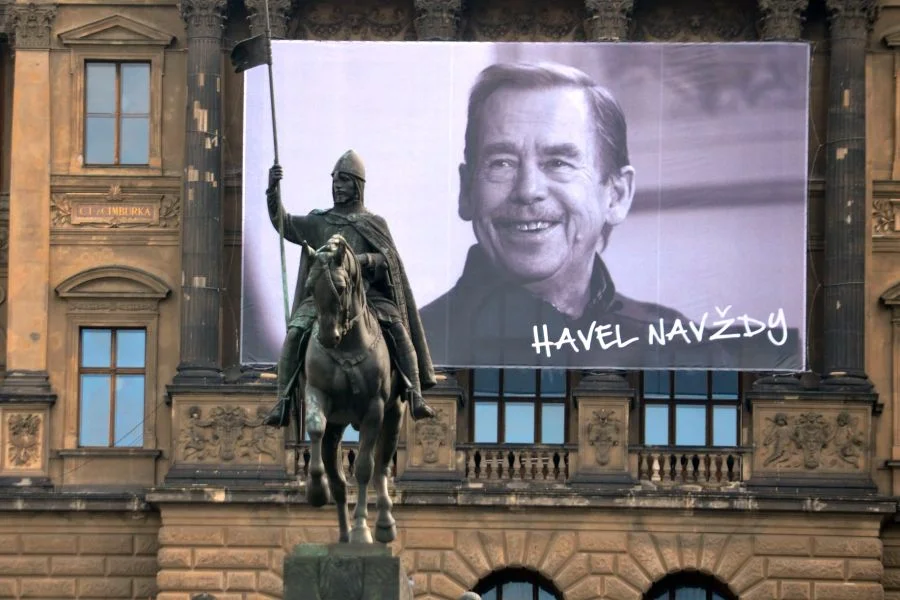
Photo: Kalhoty pro Václava Havla
Foreign Policy and Courage Seen as His Greatest Achievements
Among respondents who view Havel positively, his foreign policy successes are highlighted above all. 44 per cent name this as a particular strength. A further 33 per cent point to his courage during the communist regime before 1989. Younger people particularly value Havel’s role as an opponent of the regime. Among his young supporters, 42 per cent primarily cite his courage before 1989. Older respondents, by contrast, more often highlight his international significance and successes in foreign policy.
Havel’s critics mainly mention two points: 37 per cent each believe he bears some responsibility for negative developments after the political changes or criticise what they see as an excessive orientation towards the West.
The results come from a study conducted in September by the analytical institute STEM. They are being published a few days before Václav Havel’s 90th birthday on 5 October.
More from News

International field at the 16th edition of the beer race “Pinkasova noční můra”