

Prague Sees Surge in Cannabinoid-Related Emergencies Among Young People
Ambulance service records significant increase in call-outs – some young patients require intensive care treatment
Photo: Terrance Barksdale | Pexels
The number of ambulance call-outs related to cannabis and other cannabinoids is rising significantly in Prague. The trend among children and young people is especially concerning.
According to Prague's ambulance service, a total of 474 call-outs were recorded between January and September 2026 involving suspected cannabinoid intoxication in people under the age of 20. As reported by Czech news channel ČT24, this is almost twice as many cases as in the whole of the previous year.
Particularly striking is the increasingly young age of those affected. Around half of the patients were under 18. While the youngest patient in 2023 was 14 years old, ambulance crews had to treat children as young as eleven in both 2024 and 2025.
Number of Ambulance Call-Outs Has Been Rising for Years
The figures show a clear upward trend. In 2023, Prague's ambulance service recorded 109 call-outs involving cannabinoids among people under 20. A year later, the figure had risen to 167, followed by a total of 253 in 2025. In the first nine months of this year, the number increased to 474.
Cases are also increasing across all age groups. While around 500 such call-outs were documented in 2023, the figure rose to approximately 820 in 2024 and more than 1,000 last year. Between January and September 2026, Prague's ambulance crews recorded around 1,600 cases.
However, according to the broadcaster, these figures relate to suspected cases. The ambulance service documents call-outs based on information available at the scene, including statements from patients or relatives and medical observations. Clear confirmation of substance use is often only possible through laboratory tests in hospital.

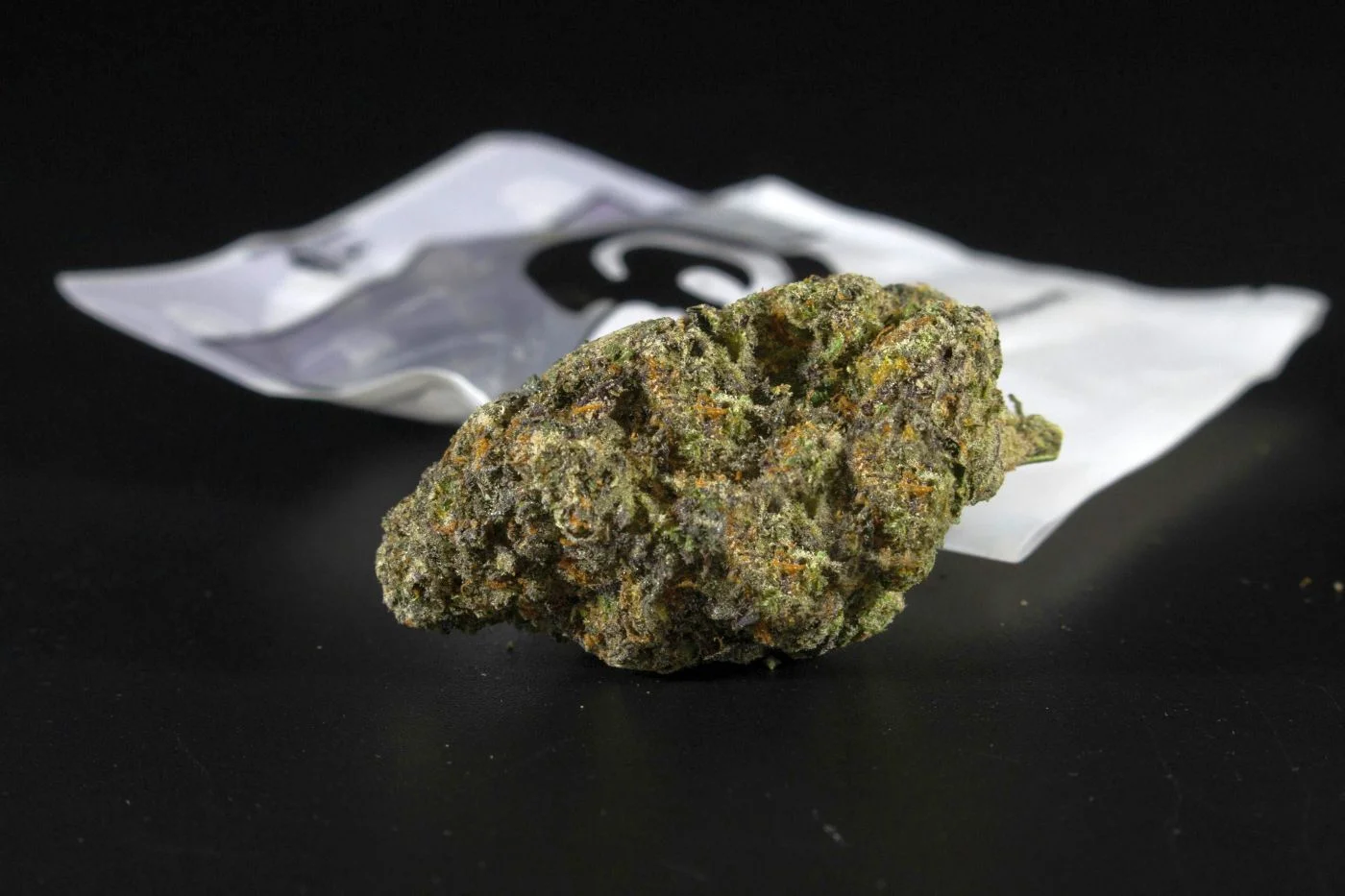
Photo: Elsa Olofsson | Unsplash
From Panic Attacks to Loss of Consciousness
Cannabinoids are chemical substances that act on certain receptors in the human body. They occur naturally in the cannabis plant but can also be produced synthetically or semi-synthetically. Their health effects can be significant. How strongly a person reacts to cannabinoids depends on factors including age, physical condition, the substance consumed and any previous experience with it. Combining them with alcohol or other drugs is particularly risky.
Commonly observed symptoms include anxiety, panic attacks and rapid breathing. This so-called hyperventilation can cause tingling in the face and limbs, as well as muscle cramps.
In more severe cases, patients may experience intense vomiting or loss of consciousness. Particularly dangerous is the risk of vomit entering the airways. According to Prague's ambulance service, some patients therefore require treatment in an intensive care unit.
Different Legal Regulations in the Czech Republic
The legal situation varies depending on the substance. Since January 2026, adults aged 21 and over in the Czech Republic have been permitted to possess limited amounts of cannabis for personal use and grow it themselves. However, regular commercial sales of THC-containing cannabis for recreational purposes remain prohibited.
Certain CBD products can be sold legally, although smoking products are subject to a minimum age of 18. Psychoactive cannabinoids such as HHC and THCP, on the other hand, are subject to stricter legal restrictions.
Newly developed synthetic and semi-synthetic substances pose a particular challenge, as their legal classification is not always clear. Such substances can sometimes also appear in products that seem to be freely available.
Similar Trend in Other Regions
The increase is not limited to the Czech capital. Ambulance services in other parts of the country are also observing a growing number of call-outs related to cannabinoids.
Emergency crews in South Moravia have also reported a rising number of such cases. A similar trend has been reported in the Moravian-Silesian Region. However, because individual ambulance services record and classify their call-outs differently, the broadcaster says that no standardised nationwide comparative figures are available.