

High-quality paving and greener tracks: Prague unveils new tramway standard
New guidelines aim to improve the design of tracks and stops and simplify planning
Photo: IPR Praha
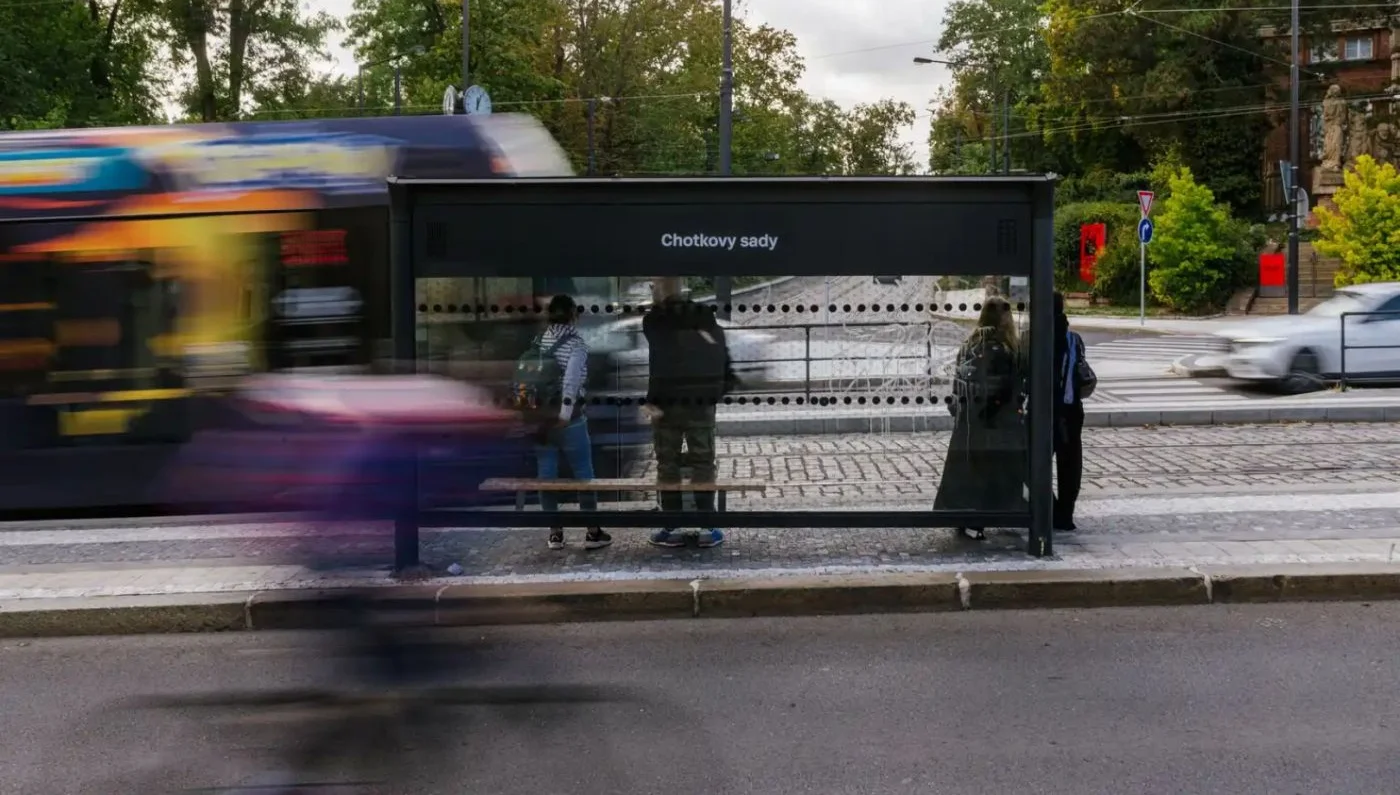
Prague’s expanding tram network is also intended to enhance the cityscape. A new guide shows how tracks and stops can be better integrated into public spaces through high-quality materials, carefully considered facilities and greenery.
The City of Prague has unveiled a new standard for the design of tram routes. The document was developed by the Prague Institute of Planning and Development (IPR) in cooperation with the Prague Public Transit Company (DPP). It sets out how track surfaces, stops and their facilities should be designed.
The guide supplements the city’s catalogue of recommended design elements for public spaces. Its aim is to document proven solutions for the rapidly expanding tram network and apply them to future projects.
“Prague’s tram network is developing rapidly. We are experiencing a veritable tram boom,” says Jaromír Beránek, Deputy Mayor responsible for transport. Trams should not only improve transport links but also contribute to enhancing public spaces along their routes.
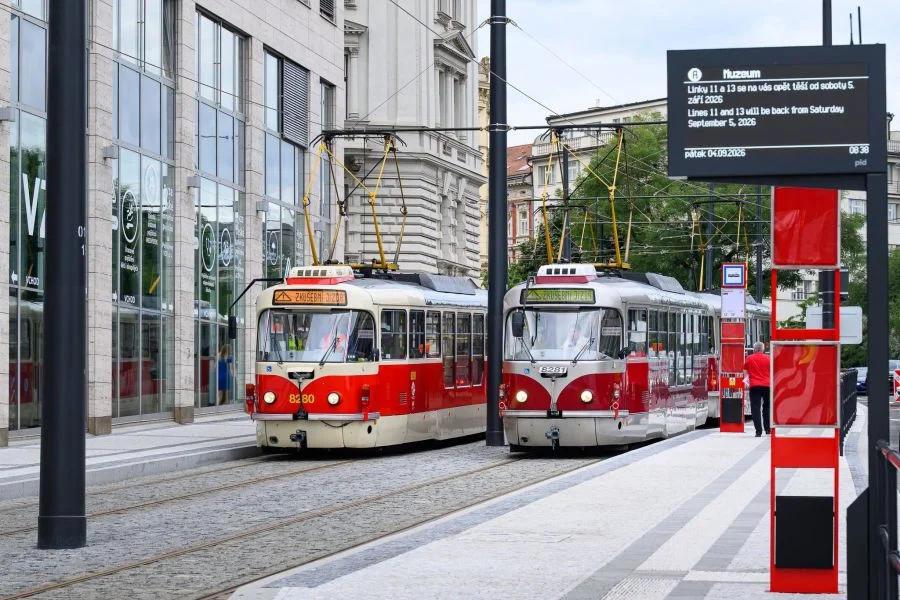
Photo: Dopravní podnik hlavního města Prahy
New route by the National Museum as an example
The standard includes recommendations on surfaces, construction details and street furniture. The scale of the network illustrates the importance of these issues: according to IPR Director Ondřej Boháč, Prague’s tram infrastructure covers an area of almost 1.25 million square metres.
Boháč cites the recently reopened route behind the National Museum as a successful example. He says it demonstrates how the targeted use of high-quality materials can transform a previously uninviting location into an attractively designed public space.
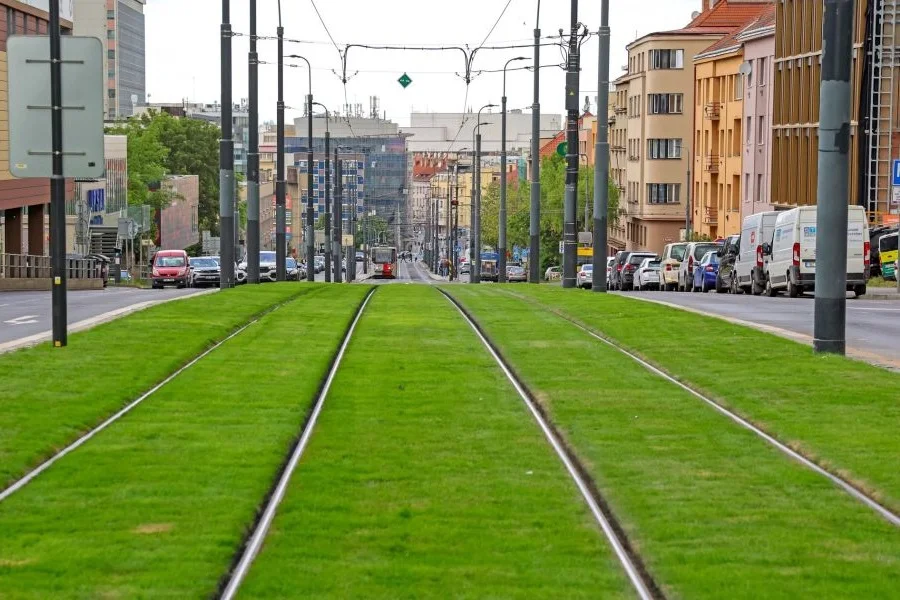
Photo: PID - mobilita budoucnosti
Drought-tolerant plants between the rails
Alongside solutions suited to urban settings, such as those seen at the new Muzeum stop, the guide also considers more unusual approaches. These include planting drought-tolerant plants between the rails. Such a solution has proved successful near the Ládví stop, for example.
The public transport company primarily contributed its practical experience to the document’s development. This included considering how quickly individual track components can be installed and removed, what operating costs arise and how materials removed during rail replacement or route refurbishment can be reused.
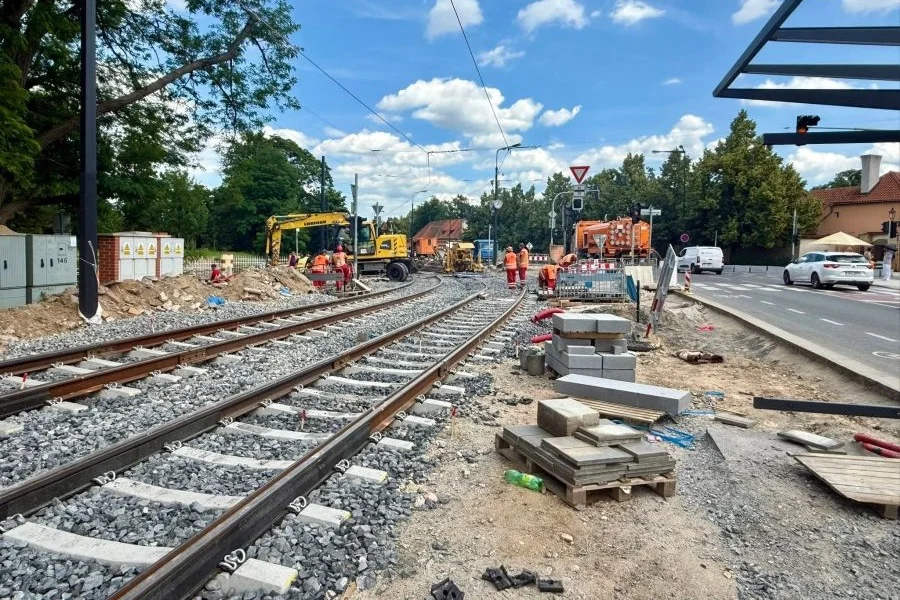
Photo: Dopravní podnik hlavního města Prahy
Guide aims to simplify planning
The document is primarily intended for planners and is publicly available on the IPR website. As a joint agreement between the municipal bodies involved, it aims to establish clear expectations and prevent unwelcome surprises during implementation.
The standard is also intended to make it easier to select proven, high-quality solutions and plan material requirements. Individual sections can be updated independently in light of new experience. The guide is therefore designed as a document that will be continually developed.