

Czech Government Strengthens Protection of Critical Infrastructure Against Drones
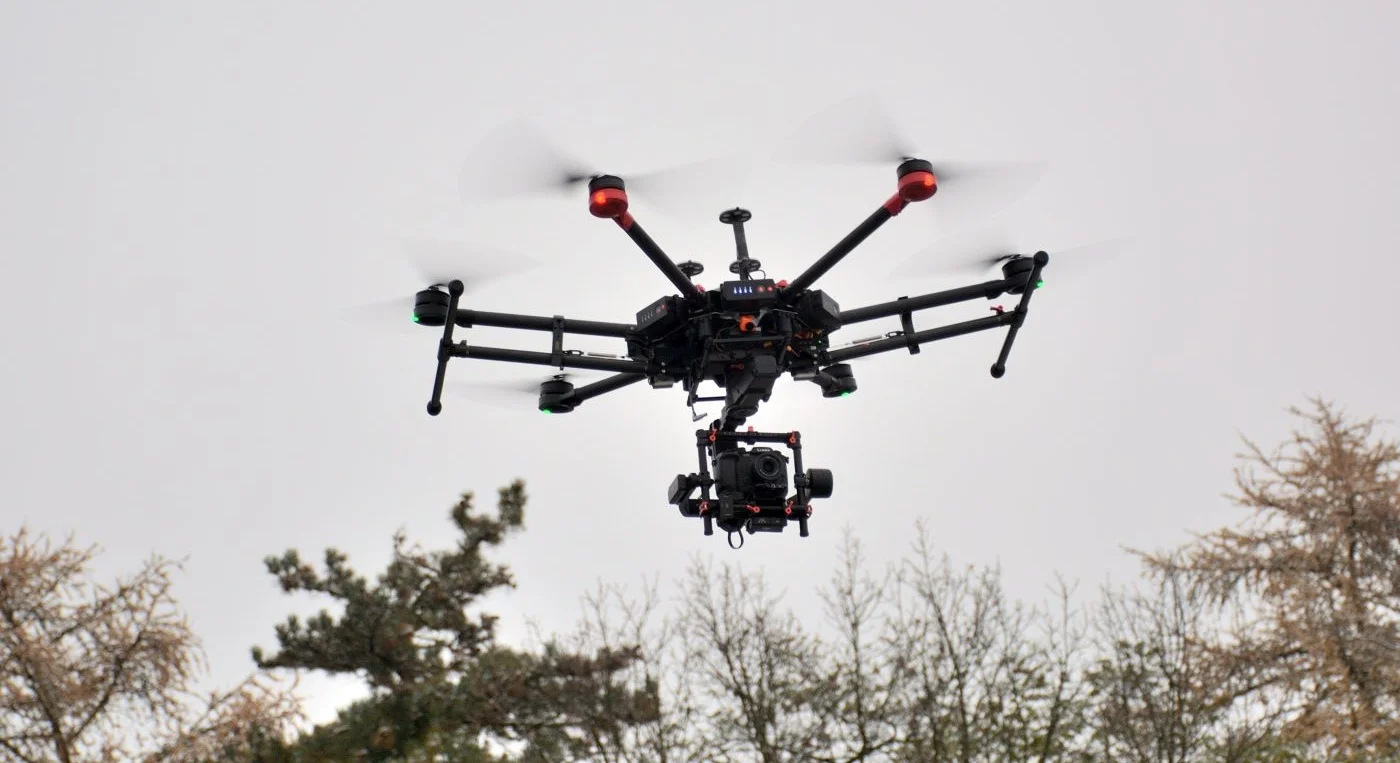
With the planned legislative amendment, the government is responding to the current security situation in Europe and the rapid technological development of unmanned aircraft.
Photo: Ministerstvo dopravy ČR
New legal regulations are intended to enable operators of important energy and transport facilities, as well as the police, to take faster and more effective action against drones entering restricted airspace without authorisation.
The Czech government approved a draft law on Monday, 9 November 2026, aimed at improving the protection of critical infrastructure against drones. Operators of particularly sensitive facilities and security authorities are to be given greater powers to act against drones entering protected airspace without authorisation.
With the planned legislative amendment, the government is responding to the current security situation in Europe and the rapid technological development of unmanned aircraft. The aim is to establish clear rules for a swift and proportionate response to drone incidents. The measures particularly concern energy and transport facilities that are essential to the functioning of the country.
New Security Zones Around Critical Infrastructure
At the heart of the proposed regulations is the introduction of special protection zones around critical infrastructure facilities. Within these zones, operators will be permitted, under certain conditions, to take action themselves against drones entering protected airspace without authorisation.
“Drones offer numerous new opportunities. At the same time, however, we must be prepared to deal with the security risks associated with their misuse,” explained Transport Minister Ivan Bednárik.
The new legislation would create a clear and balanced legal framework for effectively protecting critical infrastructure without disproportionately restricting lawful drone operations. This represents an important step towards strengthening the security and resilience of the Czech Republic.
Interior Minister Lubomír Metnar also emphasised the importance of being able to respond quickly. Experience from the Czech Republic and abroad showed that the speed of intervention was particularly crucial when dealing with drones entering restricted areas without authorisation. The number of incidents involving drones entering protected areas is also increasing.

Photo: DroneMap
Intervention Only Under Strict Conditions
The planned amendment to the Civil Aviation Act and other legislation is intended to allow owners and operators of critical infrastructure to prevent unauthorised drone flights within specially designated protection zones and, if necessary, neutralise the aircraft concerned.
However, strict conditions will apply. Active intervention will only be permitted against drones located without authorisation within an officially designated protection zone. These zones must be designated by the competent aviation authority and published on the digital drone map.
Furthermore, such measures may only be carried out by appropriately trained and qualified personnel. Operators must conduct a risk assessment in advance, establish suitable procedures and provide the necessary documentation.
The highest priority must be given to protecting human life, health and property. Potential risks to the surrounding area must be minimised.
The establishment of such an additional protection zone will take place at the request of the respective operator. Companies and facilities can therefore decide for themselves whether they wish to make use of the new powers, provided they meet all legal requirements.
Police to Receive Extended Powers
Alongside operators of critical infrastructure, Czech security authorities are also to receive additional powers.
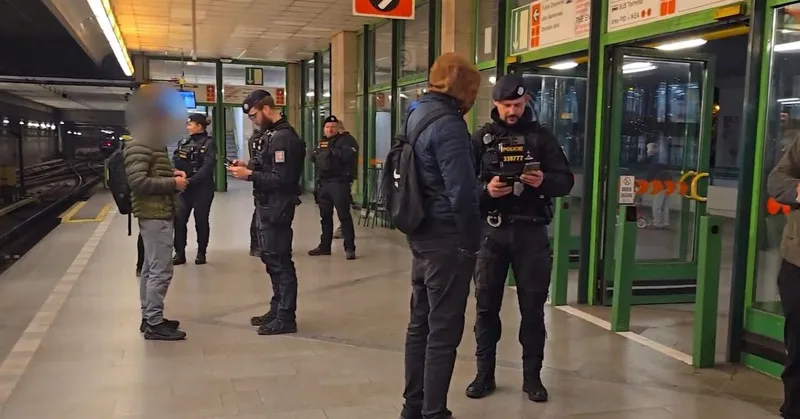
The powers of the Czech police are to be expanded and clarified in law, enabling officers to take more effective action against drones that violate existing flight regulations.
Similar provisions are planned for the Military Police, the Fire Rescue Service and the intelligence services.
Unlike the powers granted to operators of critical infrastructure, the extended powers of the security authorities will generally also apply in other areas subject to drone flight restrictions. These include all designated zones listed on the official DroneMap digital map.
DroneMap Provides Information on No-Fly Zones
For drone pilots, existing regulations and geographical flight restrictions will remain applicable. An important source of information is the official DroneMap application, which displays all legally binding geographical zones with flight bans or special restrictions in the Czech Republic.
The digital map also serves as a tool for planning drone flights and is intended to help pilots comply with the applicable rules. Further information on the safe and responsible operation of drones in the Czech Republic is available on the website letejtezodpovedne.cz.