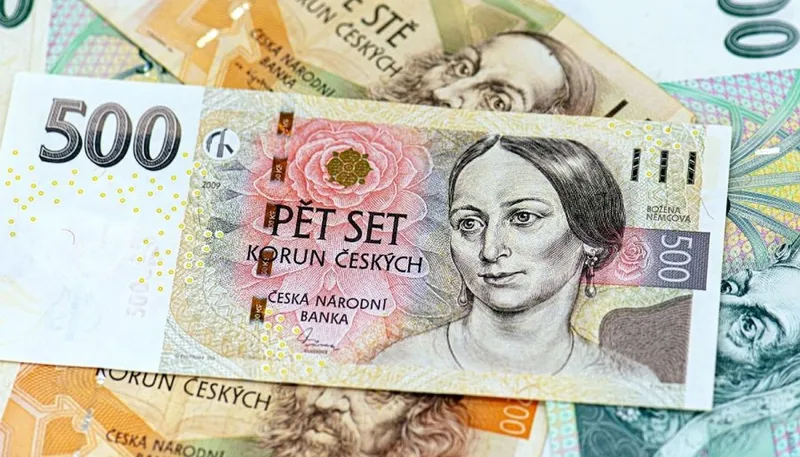



Inflation in the Czech Republic Falls Slightly to 2.4 Per Cent in October
Falling food prices are easing inflation, while fuel, rents and services remain significantly more expensive than a year ago
Photo: Ministerstvo financí ČR
Inflation in the Czech Republic eased slightly in October 2026. While consumer prices rose by 2.4 per cent compared with the same month last year, the inflation rate stood at 2.5 per cent in September. This development was mainly driven by the continued decline in food prices.
According to the latest data from the Czech Statistical Office (ČSÚ), consumer prices rose by 0.4 per cent in October compared with the previous month. In year-on-year terms, however, price growth slowed by 0.1 percentage points.
Particularly sharp year-on-year declines were recorded in the prices of butter (−32.0 per cent), pork and eggs (both −19.6 per cent), and low-fat UHT milk (−18.3 per cent). Compared with September, however, prices rose particularly for potatoes (+12.6 per cent), chocolate and cocoa (+2.4 per cent), and fruit (+2.3 per cent).
Fuel and housing costs remain key drivers of inflation
The transport sector had the greatest impact on inflation in October. Fuels and lubricants were 35.6 per cent more expensive than a year earlier. Housing costs also continued to rise, including rents (+6.4 per cent) and maintenance costs (+5.2 per cent).
While prices for solid fuels (+4.5 per cent), heating and hot water (+1.6 per cent) increased, electricity (−10.3 per cent) and natural gas (−3.6 per cent) became cheaper.
Service prices continue to rise significantly
Prices in the catering sector rose by 3.8 per cent year on year, while those in the accommodation sector increased by 7.2 per cent. Package holidays became 4.4 per cent more expensive and tobacco products 6.5 per cent more expensive.
Clothing (−2.6 per cent) and footwear (−5.3 per cent), however, became cheaper.
Inflation in the Czech Republic below the eurozone average
According to preliminary calculations, the inflation rate in the Czech Republic, measured using uniform EU-wide criteria (Harmonised Index of Consumer Prices, HICP), stood at 2.1 per cent in October, down from 2.2 per cent in September.
In the eurozone, however, the annual inflation rate rose from 3.8 to 4.0 per cent, according to Eurostat's preliminary estimates. In Germany, it stood at 2.8 per cent, in Slovakia at 2.9 per cent and in Austria at 3.5 per cent.
Lithuania recorded the highest inflation rate in the eurozone in October at 6.1 per cent, while Malta recorded the lowest at 2.3 per cent.