

Social Services in the Czech Republic: Non-Profit Organisations Play a Central Role
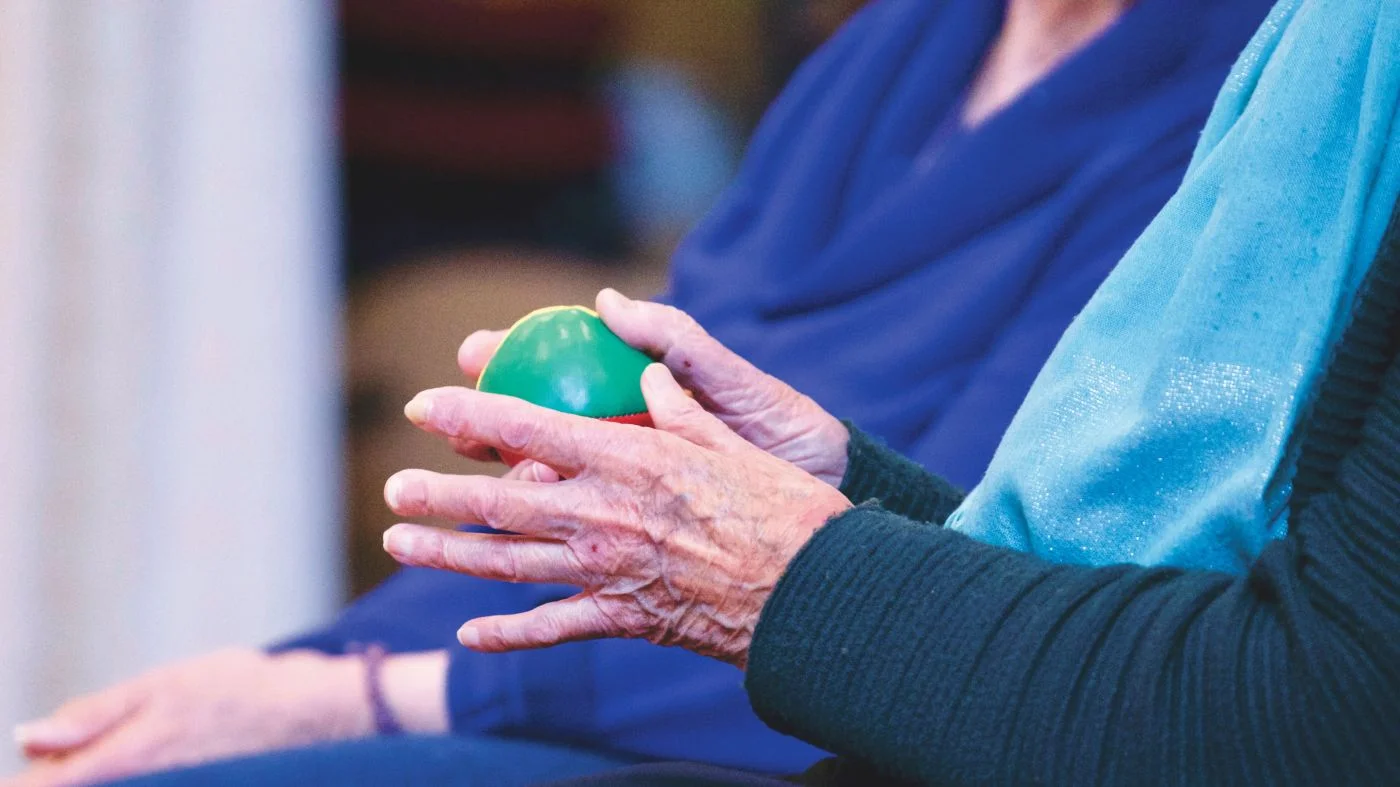
Home care and support services have for years been among the most important non-residential social services in the Czech Republic
Photo: Matthias Zomer | Pexels
While the majority of care homes for older people are run by cities, municipalities and regions, non-profit organisations dominate in numerous non-residential social services and social prevention programmes.
Non-profit organisations make an important contribution to the provision of social services in the Czech Republic. While more than three-quarters of all care places in homes for older people are in publicly run facilities, early intervention, crisis assistance and social prevention services are predominantly provided by non-profit organisations. This is according to the latest data from the Czech Statistical Office (ČSÚ).
Home care and support services have for years been among the most important non-residential social services in the Czech Republic. In 2025, a total of 89,341 people used these services. Expenditure amounted to CZK 6.6 billion, eleven per cent more than in the previous year.
On average, each client paid CZK 15,146 annually for care. Taking into account the statutory maximum hourly rate, this corresponds to approximately 1.8 hours of care per week. Clients’ own contributions accounted for 21 per cent of the total revenue of these services.
Around 60 per cent of care services are run by municipalities or regions, 20 per cent by church organisations and a further 13 per cent by other non-profit organisations. Private providers account for seven per cent.
Non-Profit Organisations Dominate Social Prevention Services
Apart from home care services, non-residential and outreach social services are predominantly provided by non-profit organisations.
“Some types of social services, such as early intervention, crisis assistance, low-threshold facilities for children and young people, and contact centres, are more than 90 per cent operated by non-profit organisations,” explains Markéta Pištorová from the Czech Statistical Office.
Expenditure on personal assistance amounted to CZK 2.1 billion last year. Around 12,500 people used these services. Average annual personal contributions amounted to just under CZK 35,000, corresponding to approximately four hours of care per week. Ten per cent of users were children and young people under the age of 18.
Care Homes for Older People Predominantly in Public Hands
Care homes for older people constitute the largest group of residential social care facilities in the Czech Republic. With just under 35,000 beds in a total of 523 facilities, they account for 39 per cent of all residential places in the social services sector.
A further nearly 28,000 beds are available in 426 specialised care facilities. These cater primarily for people whose independence is limited as a result of dementia, chronic mental illness or addiction.
Expenditure on care homes for older people amounted to CZK 24.6 billion in 2025, while expenditure on specialised care facilities totalled CZK 19.9 billion. In both types of facility, residents’ payments for accommodation, meals and care accounted for around half of total revenue.
77 per cent of all beds in care homes for older people are in facilities run by municipalities and regions. A further 13 per cent are provided by non-profit organisations and ten per cent by private operators.
The data comes from the newly published Czech Statistical Office publication ‘Selected Data on Social Security’ (CZ), which, in addition to social services, contains information on pension and sickness insurance, social benefits and expenditure on social protection in an international comparison.
More from News