The Škoda 1101 ‘Tudor’ celebrates its 80th anniversary with a special exhibition at the Škoda Museum in Mladá Boleslav
The Tudor stood out for its reliability, fuel efficiency and comfort, and was a success in more than 70 countries
Foto: Škoda Museum Mladá Boleslav
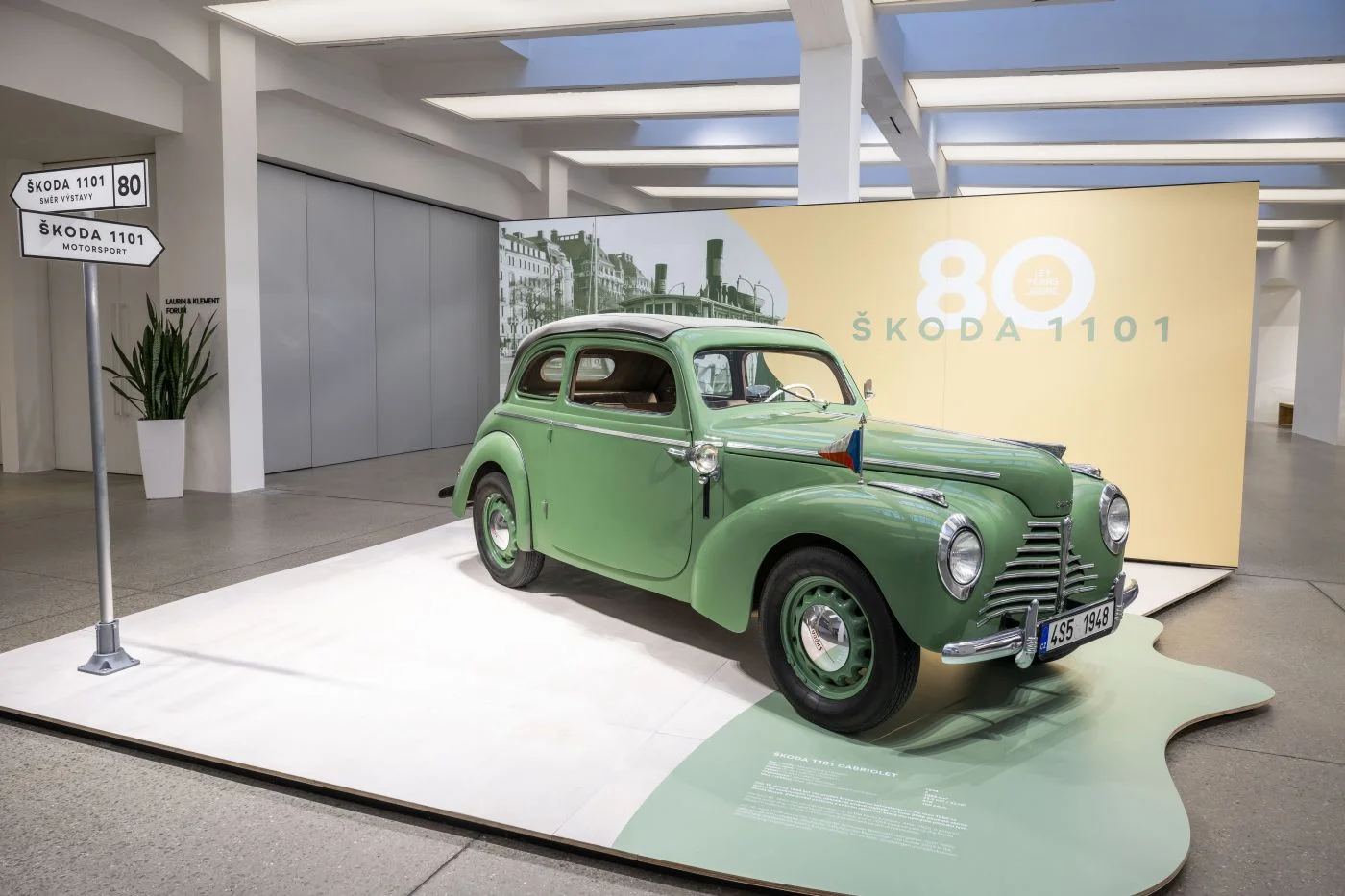
The Škoda 1101 ‘Tudor’ will celebrate its 80th anniversary in 2026. The legendary post-war model, renowned for its reliability, comfort and fuel efficiency, was successful in more than 70 countries. The Škoda Museum in Mladá Boleslav is dedicating a special exhibition to this classic.
Škoda’s first post-war model ‘made in Mladá Boleslav’ was the Škoda 1101, launched in spring 1946. Owing to its two-door, closed body, it soon became known as the ‘Tudor’. The vehicle impressed with its reliability, fuel efficiency and comfort, and enjoyed success in more than 70 countries. Until 21 May 2026, the Škoda Museum is devoting a special exhibition to the legendary vehicle from Mladá Boleslav.
The very first production model of the Škoda 1101 rolled off the production line at the Mladá Boleslav plant on Monday, 6 May 1946. The Tudor succeeded the successful Rapid and Popular models, which had driven a boom in Škoda production and sales in the late 1930s. In the difficult post-war period, the 1101 impressed with its robust construction, reliability, low running costs and driving comfort, even on poor roads. As a result, it found customers in Europe, Australia, Asia and Africa.
Modern design and numerous variants
The Škoda 1101, a four-seat, two-door saloon measuring just over four metres in length, featured a tubular frame chassis with independent suspension on all wheels. It was powered by an OHV four-cylinder engine producing 32 hp (23.6 kW). The car reached a top speed of 100 km/h and had an average fuel consumption of 8.0 l/100 km – very economical for its time.
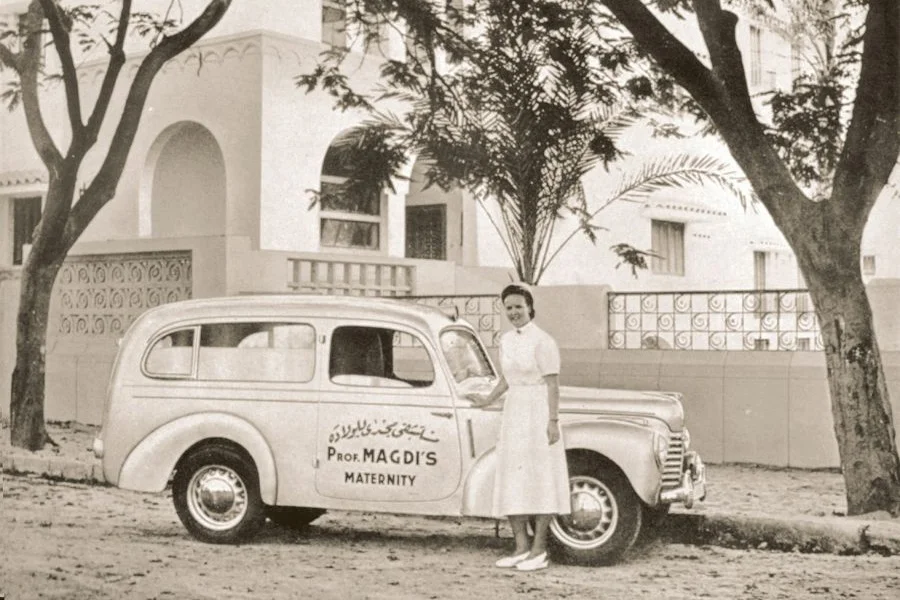
Foto: Škoda Museum Mladá Boleslav
From 1948, the modernised 1102 was produced. In addition to a different radiator grille and bumpers, it optionally offered a four-speed gear lever mounted on the steering column instead of the floor-mounted lever. By 1952, when production of the Škoda 1101/1102 ended, a total of 66,904 civilian vehicles had been built. Alongside the most common two-door body style, other versions were available, including a four-door saloon, an elegant roadster and the Tudor cabriolet with a retractable fabric roof. The versatile design also enabled practical delivery vans, ambulances and estate models. In addition, more than four thousand derivatives were developed for security forces, designated as the Škoda 1101 VO (military open) and Škoda 1101 P (emergency).
Success in global markets
More than 65 per cent of the Škoda 1101/1102 models were exported. By 1951, they had been sold in 76 countries, with Poland, the Netherlands, Belgium and West Germany among the most important markets. The Tudor also reached more distant countries such as Australia, Canada, India, Kenya and South Africa.
The exhibition offers a comprehensive insight into the model’s eventful history
The story of the vehicle that helped Škoda resume production and global exports after the Second World War is the focus of the special exhibition “80 Years of the Škoda 1101 Tudor” at the Škoda Museum. The exhibition presents both typical and rare versions of the model, with their history told through large-format photographic panels. Featuring historical film footage and unique artefacts, the exhibition offers plenty to see for both enthusiasts and families alike.
Škoda Museum | Mladá Boleslav
Website | Facebook | Instagram
More from Culture & Entertainment

The Pussycat Dolls to bring their “PCD Forever Tour” to Prague in September 2026

St. Patrick’s Day 2026 in Prague: Parade at Wenceslas Square and Celebrations in Irish Pubs