STEM Survey: War in Ukraine Changes Czechs’ View of Russians and Ukrainians
Vietnamese Community in the Czech Republic Gains Significantly in Acceptance
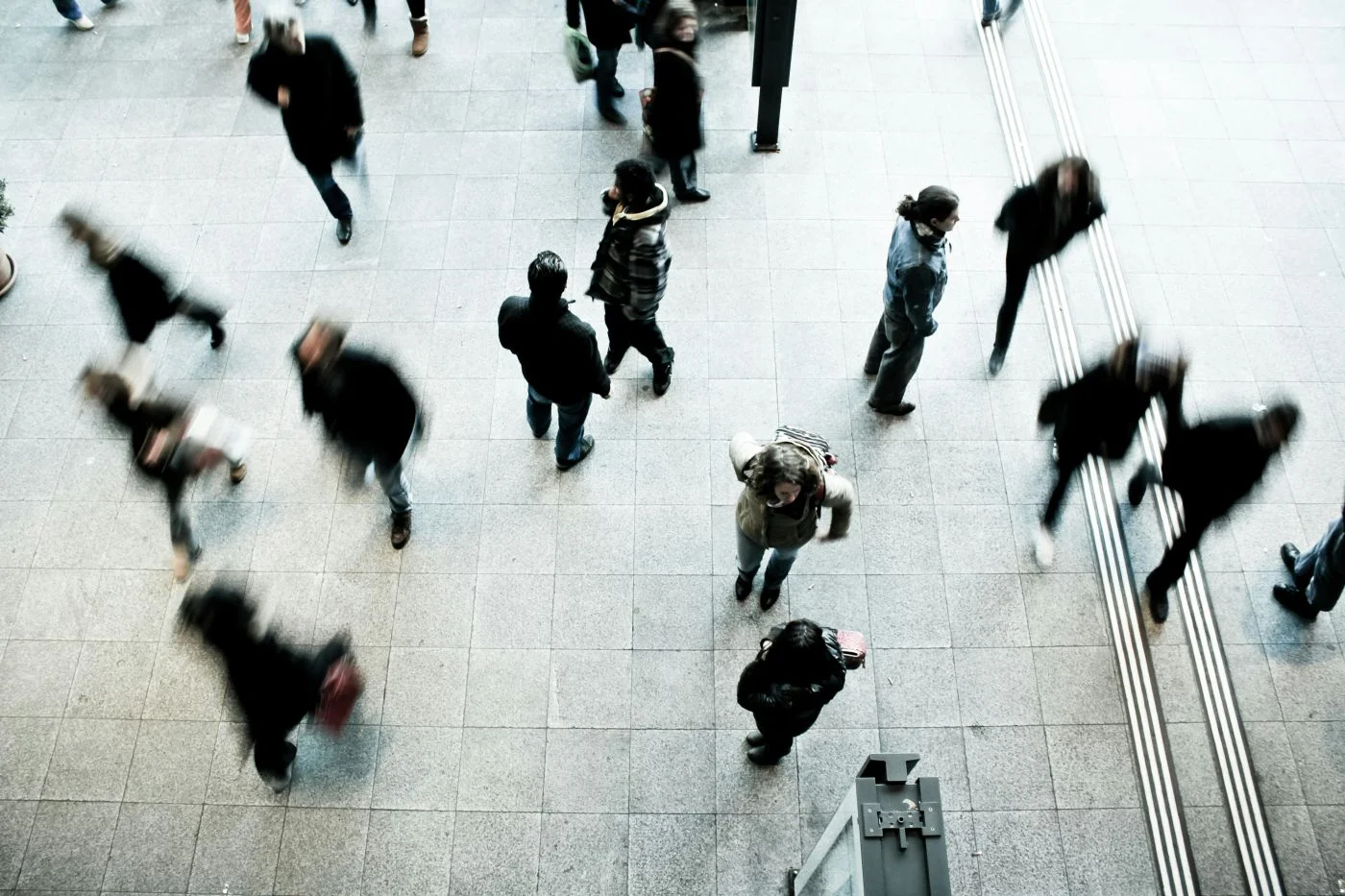
Foto: Timon Studler | Unsplash
More than half of the population in the Czech Republic consider foreigners living in the country to be a security risk. At the same time, a majority believe that many Czechs approach foreigners with prejudice. This emerges from a recent study by the opinion research institute STEM.
According to the survey conducted in January 2026, 56 per cent of respondents see foreigners living in the Czech Republic as a security risk. However, this share has not increased further in recent years. At the same time, 57 per cent are of the opinion that Czech society often approaches foreigners with prejudice and bias.
The results therefore reveal a certain contradiction in the attitudes of the population. On the one hand, many respondents recognise existing prejudices against foreigners; on the other hand, only 38 per cent support the idea that every person living in the Czech Republic should have the right to citizenship regardless of origin or ethnicity. In addition, 41 per cent believe that ethnic groups or minorities should be able to practise their own traditions and customs freely.
Positive Attitudes Towards Neighbours from Western Countries
The “Trendy” research series shows that Czechs are particularly open towards neighbours from culturally or geographically close countries. For years, relations with Slovaks have been rated most positively: 92 per cent of respondents could imagine living next door to a Slovak.
People from economically developed Western countries are also largely accepted. These include, in particular, Britons, Americans, French and Germans. Croats are also viewed relatively positively, with 74 per cent of respondents saying they would accept them as neighbours.
At the lower end of the scale, however, are nationalities from culturally and geographically more distant regions. Fewer than a quarter of Czechs can imagine living next door to an Arab, Afghan, Syrian or Sudanese person.
Ukraine War Changes Perception of Certain Nationalities
International events also influence public attitudes. The war in Ukraine has significantly changed the perception of Ukrainians and Russians.
While before the start of the war Russians were generally viewed more positively than Ukrainians, this picture has now reversed. In January 2026, according to STEM, only 32 per cent of respondents could imagine having a Russian neighbour – three percentage points fewer than a year earlier and significantly fewer than in 2016, when the figure stood at 50 per cent.
Among Ukrainians, however, the development shows the opposite trend. Around the turn of the millennium, only about one in ten Czechs would have accepted a Ukrainian neighbour. By early 2026, this share had already risen to 46 per cent, clearly above the figure for Russians.
Vietnamese Community Gains Significantly in Acceptance
Attitudes towards Vietnamese people have changed particularly strongly over the past decades. In the 1990s, only just under one in ten Czechs would have accepted a Vietnamese neighbour. After around three decades of living together, this figure now stands at 73 per cent.
However, attitudes towards the Roma minority remain significantly more critical. According to the current STEM survey, only 24 per cent of respondents would accept a Roma neighbour – a figure roughly at the same level as attitudes towards people from Arab countries.
More from News