

Czech Republic Eases Foreign Language Requirements in Primary Schools
English lessons will no longer have to begin in the first year – schools to receive greater flexibility in organising teaching
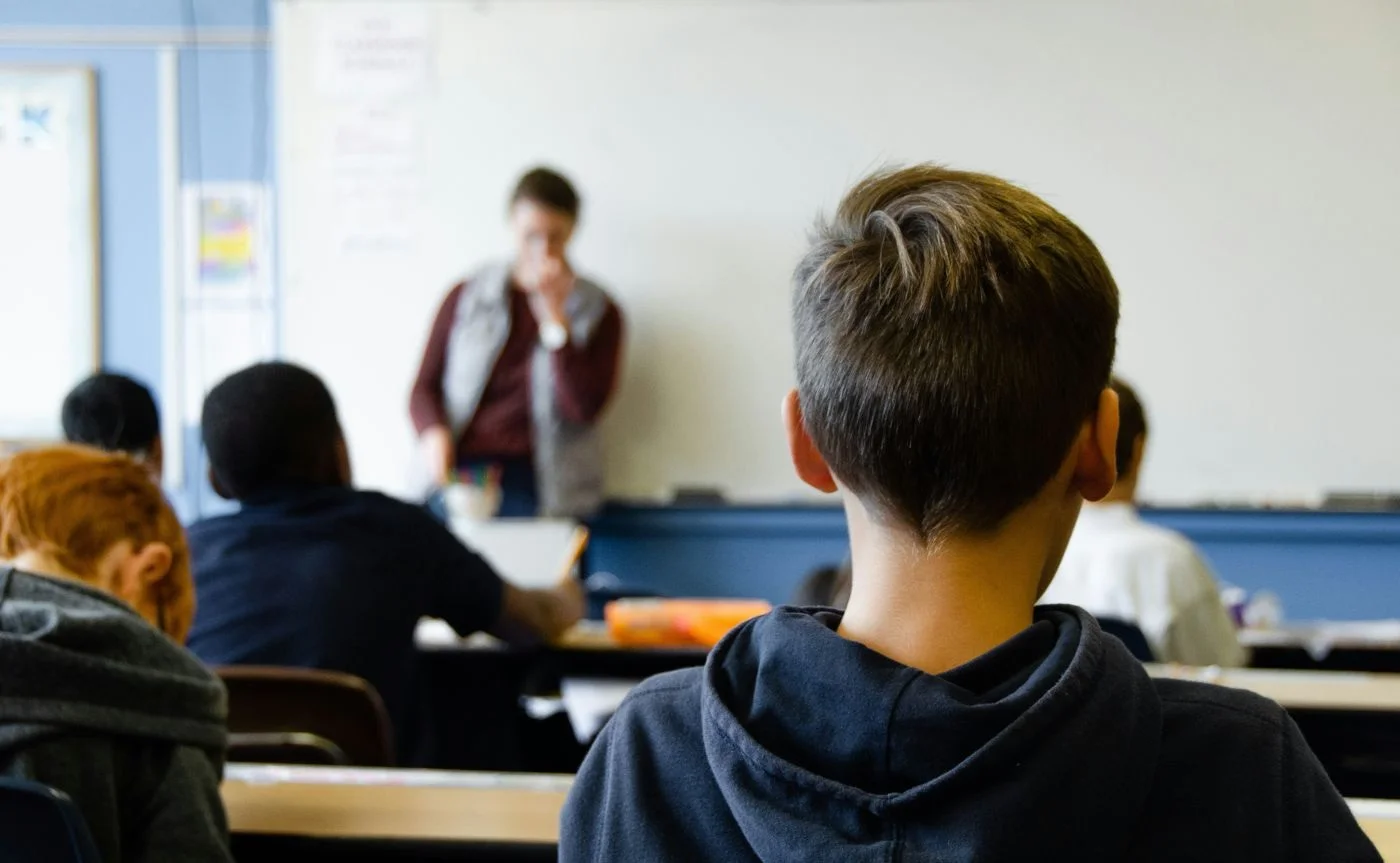
Foto: Taylor Flowe | Unsplash
The Czech Ministry of Education is planning changes to the Framework Educational Programme for primary schools. Education Minister Robert Plaga has decided to relax several requirements in the area of foreign language teaching and to simplify the document as a whole.
As the Ministry of Education announced today on its website, the requirement to teach English from the first year will be abolished. In addition, a second foreign language will no longer form part of the compulsory common curriculum for all pupils. Instead, it will be offered as a compulsory elective subject.
The changes were communicated to primary schools in a letter that has been sent to all schools in recent days. In the letter, Minister Plaga emphasises that the current Framework Educational Programme contains a wealth of high-quality educational content and is the result of the work of many experts. At the same time, however, the document is often difficult to use in practice because it is too complex and administratively demanding.
Greater Flexibility for Schools and Pupils
The first phase of the revision is expected to be completed within the next two months. The updated version of the Framework Educational Programme is to be made available to schools by mid-August 2026, before the start of the preparation week for the new school year.
In future, schools will be able to decide for themselves how they organise English teaching in the early years of schooling. However, the target language level that pupils are expected to achieve by the end of Year 5 will remain mandatory.
The Ministry is also seeking greater flexibility in the teaching of a second foreign language. While knowledge of two foreign languages is still regarded as desirable, it is considered more important to give pupils greater scope for other areas of education. Pupils will in future be able to decide for themselves whether to use their lesson time for an additional foreign language or for other elective subjects – for example, to develop individual strengths or to receive support in specific subjects.
In addition to the changes in foreign language teaching, the Framework Educational Programme is to be made clearer and more accessible overall. In particular, the requirements for the preparation of school educational programmes are to be simplified.
Further adjustments are planned for 2026 and 2027. These include the publication of a model curriculum with recommended teaching content, as well as additional revisions based on feedback from schools. According to the Ministry of Education, the aim is to create a modern curriculum that is not perceived as an additional bureaucratic burden, but rather as a practical tool for planning and improving teaching.
More from Politics & Education

Municipal Elections in the Czech Republic: STAN Ahead of Spolu in Prague – Pirates Suffer Significant Losses
30th Forum 2000 in Prague: Václav Havel’s Legacy Takes Centre Stage