

Czech Chamber of Deputies Approves Building Law Reform
New state building authority, just one approval procedure and faster construction projects – legislation now goes to the Senate
Foto: Tierra Mallorca | Unsplash
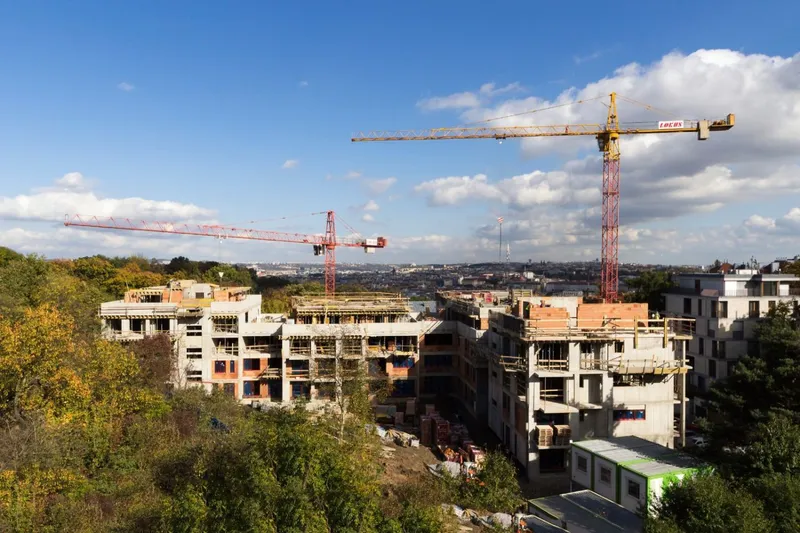
The Czech Republic aims to speed up approval procedures and boost housebuilding with a comprehensive reform of building law. The Chamber of Deputies has approved the amendment, but it must still pass the Senate.
The Czech Chamber of Deputies on Friday approved a comprehensive reform of the country's building law. According to a report by the news channel ČT24, the aim of the reform is to significantly simplify and speed up building permit procedures. In future, only a single approval procedure with one authority will be required for construction projects. Before the legislation can come into force, it must still be approved by the Senate.
The centrepiece of the reform is the introduction of a state building administration. The new Úřad rozvoje území (Office for Spatial Development) will be established on 1 January next year. Regional branches are due to begin operating from 2028. Some employees from the existing building authorities will transfer to the new organisation.
At the same time, the number of building authorities will be significantly reduced. Instead of the current 638 offices, 205 regional offices will handle approval procedures in future. Employees transferring to the new authority will retain their current salaries and allowances.
Foto: Ümit Yıldırım | Unsplash
Just one approval procedure
In future, a single approval procedure will be sufficient. The government expects this to reduce processing times and cut bureaucracy. Appeals are also set to be handled more quickly: the responsible authority will have to make its own decision and will no longer be allowed to refer cases back for reconsideration. This is intended to end the so-called "ping-pong procedure" between authorities.
In addition, all Czech regional capitals will in future have the right to issue their own building regulations. Until now, this has only been possible in Prague, Brno and Ostrava.
Government expects economic benefits
The government sees the reform as an important step towards accelerating housebuilding and strengthening the country's economy. In the long term, the new building administration is expected to operate with around half the number of employees currently working in the system.
The introduction of the new system is expected to cost around CZK 3.5 billion next year. In the longer term, annual expenditure is estimated at approximately CZK 7.1 billion. According to the government, this will be offset by economic benefits of around CZK 7.6 billion.
Opposition and experts remain sceptical
The opposition has largely rejected the reform. It fears organisational problems and staff shortages resulting from the centralisation of the building administration. Although it generally supports faster approval procedures, it warns that the changes could create new delays and uncertainties.
Professional organisations have also reached differing conclusions. While the construction industry and property developers welcome faster procedures and greater planning certainty, environmental organisations and municipalities warn of possible negative impacts on quality of life as well as environmental and heritage protection.
More from Real Estate

Mortgages in the Czech Republic Become More Expensive: Interest Rates Rise to 5.79%