


Czech Government Wants to Enshrine the Koruna in the Constitution
However, the governing coalition will need support from the opposition to secure the planned constitutional amendment
Photo: Ministerstvo financí ČR
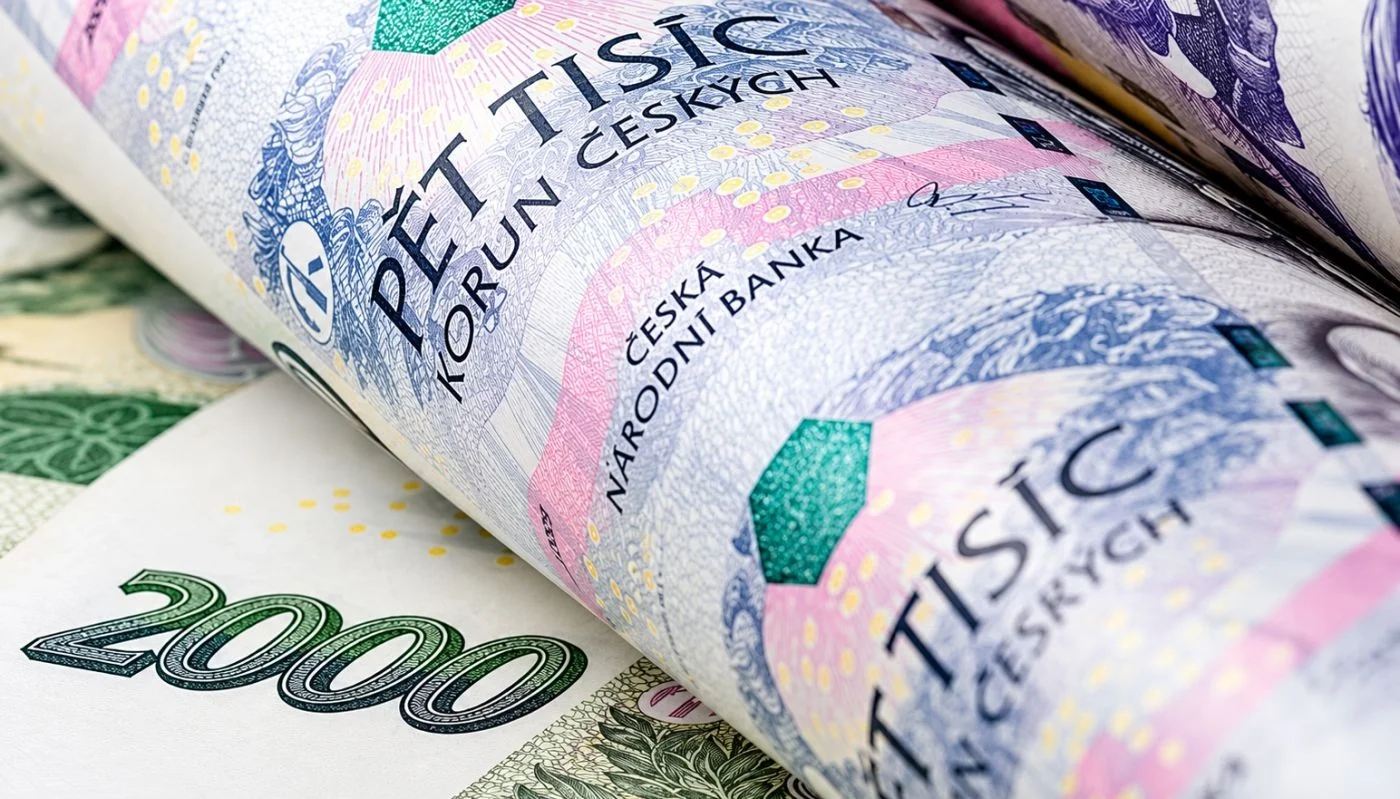
The future of the Czech national currency is to be given greater protection. A new initiative by the governing parties could significantly increase the hurdles for adopting the euro at a later date.
The Czech government has backed a proposal by the Motoristé sobě and SPD parties to enshrine the Czech koruna in the Constitution. The aim is to make any future switch to the euro dependent on a broad parliamentary majority. However, the governing coalition does not have enough votes to push through a constitutional amendment on its own.
Foreign Minister and Motoristé sobě leader Petr Macinka justified the proposal after the cabinet meeting by arguing that a fundamental change such as adopting the euro should have the support of an overwhelming majority of society. Any potential change of currency should therefore take place only with a correspondingly strong political mandate.
Surveys Continue to Show Reservations About Adopting the Euro
The introduction of the euro continues to face reservations among the Czech population. According to a survey by the CVVM polling institute published late last year, just under 30 per cent of respondents support switching to the European single currency. A Eurobarometer survey conducted by the European Commission in spring 2026, however, found support at 42 per cent. The differing results can be attributed, among other factors, to differences in the wording of questions and survey methodologies.
Governing Coalition Needs Opposition Support
The proposal would explicitly establish the Czech koruna as the currency of the Czech Republic in the Constitution. Any subsequent change to the national currency would therefore require the approval of three-fifths of all members of the Chamber of Deputies and three-fifths of senators present.
In the Chamber of Deputies, this would require at least 120 of the total 200 votes. The governing parties ANO, SPD and Motoristé would therefore need at least 12 votes from the opposition. The governing coalition is hoping to secure support from the Civic Democrats (ODS), who have also spoken out against adopting the euro in the past.
Euro Adoption Remains an Obligation Under EU Accession
By joining the European Union, the Czech Republic committed in principle to adopting the euro. The population approved the EU accession treaty in a referendum in 2003. However, no specific date was set for introducing the single currency.
According to the European Commission, the Czech Republic currently meets three of the four economic criteria for adopting the euro. These include price stability, sound public finances and convergence of long-term interest rates. The exchange rate stability criterion has not yet been met.
The planned enshrinement of the Czech koruna in the Constitution is in line with the coalition's government programme. The programme also includes plans to constitutionally protect the right to own and use cash. According to current plans, a corresponding comprehensive proposal is to be presented next year.
More from Politics & Education

Czech Government's Media Funding Plans Spark Protests in Prague
Petr Pavel in an Interview with German Journalist Paul Ronzheimer: Warning About Russia and Criticism of Trump