

28 October: Czech Republic Celebrates the Founding of Independent Czechoslovakia in 1918
In the final stages of the First World War, against the backdrop of the collapse of Austria-Hungary, the independent Czechoslovak state was proclaimed
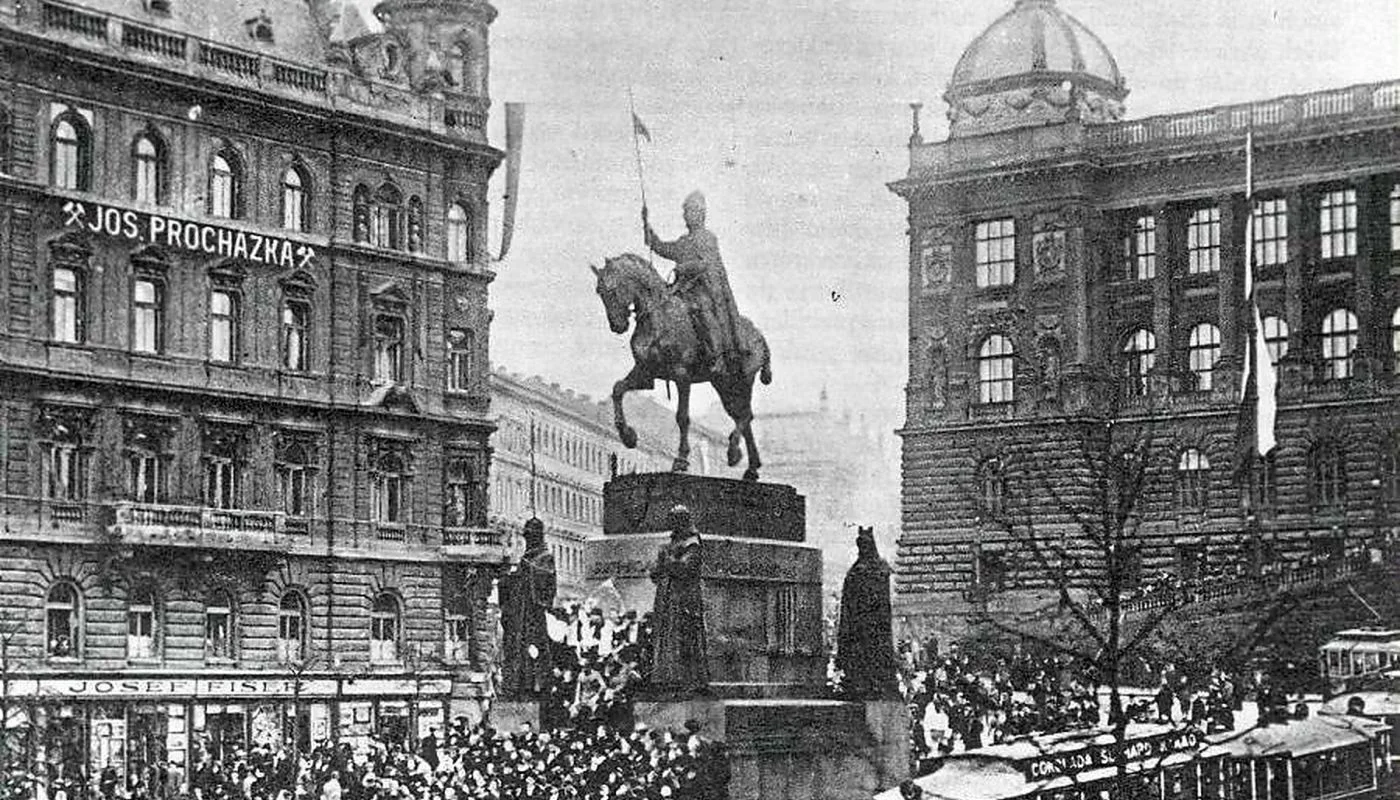
Photo: Prague on October 28, 1918 | Wikipedia
Across the Czech Republic, numerous events today commemorate the founding of independent Czechoslovakia in 1918. National flags are flying throughout the country, schools and government offices remain closed, and wreath-laying ceremonies on Prague’s Vítkov Hill mark the historic events.
Today, 28 October, the Czech Republic marks the 108th anniversary of the founding of independent Czechoslovakia. To mark the occasion, numerous public institutions in Prague are opening their doors to visitors. These include the New Town Hall and the seat of government, offering a glimpse into areas normally closed to the public.
Large Shops Remain Closed
On today’s public holiday, many supermarkets and large retail stores in the Czech Republic are closed. Under the law, shops with a sales area of more than 200 square metres are prohibited from opening on this public holiday. The law came into force in 2016 and requires larger retail shops to close on certain public holidays. In addition to 28 October, the regulation also applies on 1 January, Easter Monday, 8 May and 28 September.
1918–1993: From the First Republic to the Establishment of an Independent State
In the final stages of the First World War, against the backdrop of the collapse of Austria-Hungary, the independent Czechoslovak state was proclaimed on 28 October 1918. The young republic quickly developed into one of Europe's leading economic and industrial nations.
A twenty-year era of democracy and prosperity came to an abrupt end with the aggression of Nazi Germany. The Munich Agreement of 1938 and the subsequent occupation in March 1939 marked the end of the First Czechoslovak Republic.
After the Second World War, the state was restored but soon fell within the Soviet sphere of influence. Democracy, which had been restored after the war, albeit in a limited form, came to an end in February 1948 with the communist takeover. It was not until four decades later that the Velvet Revolution of 1989 brought political change and an end to communist rule.
Every year on 17 November, the Czech Republic commemorates this peaceful event, known as the Velvet Revolution (Sametová revoluce), as well as the student protests of 1939, when the Nazi occupiers ordered the closure of Czech universities, executed nine people and deported numerous students to concentration camps.
The final chapter in the shared history of Czechoslovakia was written on 1 January 1993: In a peaceful process, the Czech Republic and Slovakia separated and went their own ways as independent republics. Václav Havel was elected the first president of the new Czech Republic – and remains one of the country's most revered figures to this day.
Tags
More from Culture & Entertainment
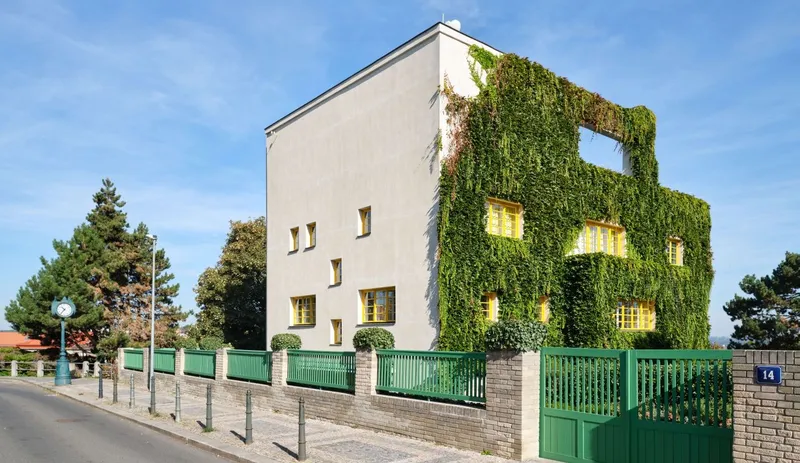
Müller Villa in Prague Reopens After Renovation
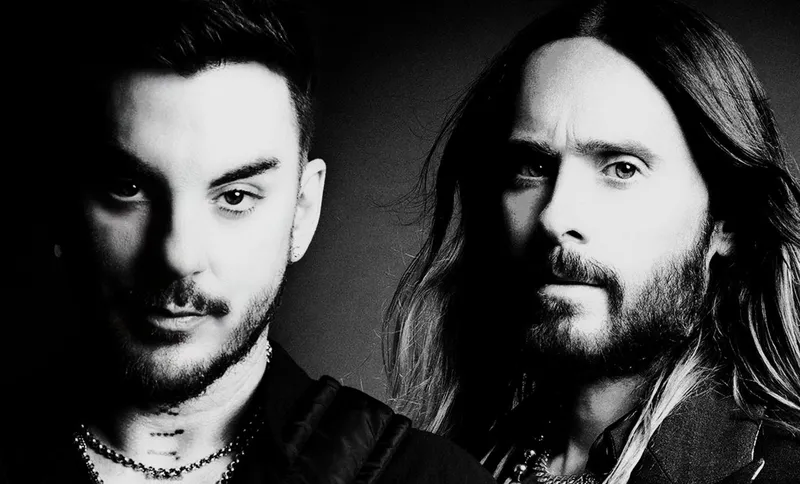
Thirty Seconds to Mars Coming to Prague’s O2 Arena in May 2027