



Temelín nuclear power plant switches to Westinghouse fuel assemblies
The new Westinghouse fuel comes from the plant in Västerås, Sweden
Photo: Temelín | ČEZ
The first fuel assemblies from the new supplier are due to be loaded into the reactor during the current shutdown. At the same time, the South Bohemian nuclear power plant is completing its transition to longer operating cycles.
Final preparations for the use of fuel from Westinghouse are under way at the Temelín nuclear power plant. The first fuel assemblies have successfully passed the required inspections and licensing process. Specialists are now preparing them for use in the reactor during the current shutdown.
Operator ČEZ is continuing its strategy of diversifying its fuel supply across several suppliers. The energy company launched the tender for new suppliers back in 2018. This resulted in contracts with Westinghouse and Framatome. The first fuel assemblies arrived at Temelín last year.
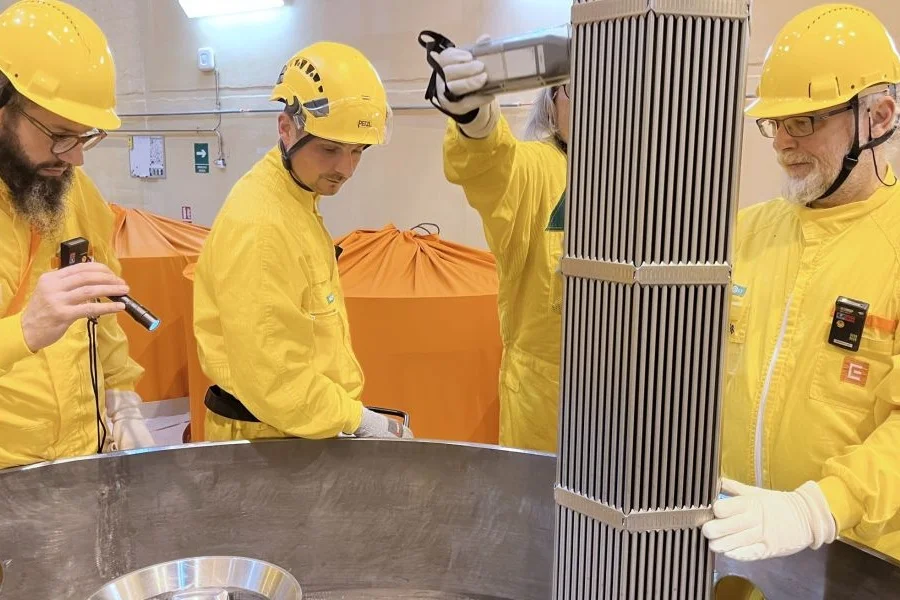
Photo: Temelín | ČEZ
More suppliers to strengthen security of supply
The new Westinghouse fuel comes from the plant in Västerås, Sweden. Following Temelín, the Dukovany nuclear power plant is also due to make the switch once all tests and the licensing process have been completed.
According to its Chairman and Chief Executive Officer Daniel Beneš, ČEZ maintains strategic fuel reserves for all reactor units. He added that the company had also worked early on to avoid dependence on a single supplier.
Deputy Prime Minister and Finance Minister Alena Schillerová described the expansion of the supplier base as a contribution to the Czech Republic’s energy security. She pointed to the planned new nuclear units at Dukovany, the Czech Republic’s first planned modular reactor at Temelín and the government-backed extension of the operating lifetimes of existing nuclear power plants to up to 80 years.
The State Office for Nuclear Safety approved the use of the new fuel type in August this year. This followed more than eight years of extensive analyses and testing. Between 2019 and 2022, Westinghouse test fuel assemblies were also tested directly in the Temelín reactor.
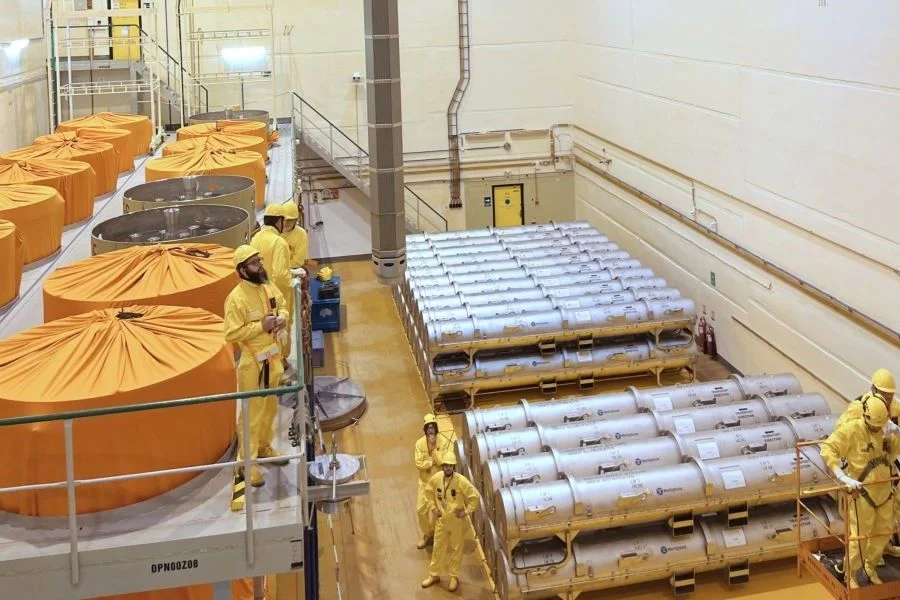
Photo: Temelín | ČEZ
Longer cycles between shutdowns
The new fuel is also designed for longer operating cycles. Since 2022, ČEZ has been gradually switching the units at its two Czech nuclear power plants to longer intervals between scheduled shutdowns.
A 16-month cycle has been standard at Dukovany since 2024. The units operate for around 15 months, followed by a shutdown lasting just over a month for refuelling and inspections.
Temelín is due to complete its transition to an 18-month cycle later this year. This comprises around 16 months of operation followed by approximately two months of downtime. The second unit already operates on this schedule. The first unit is due to follow at the end of November.
According to ČEZ, the longer cycles are intended to increase electricity production and reduce wear on technical systems through more stable operating conditions. Fewer shutdowns mean less strain on equipment, explained ČEZ Board Member and Chief Nuclear Officer Bohdan Zronek.
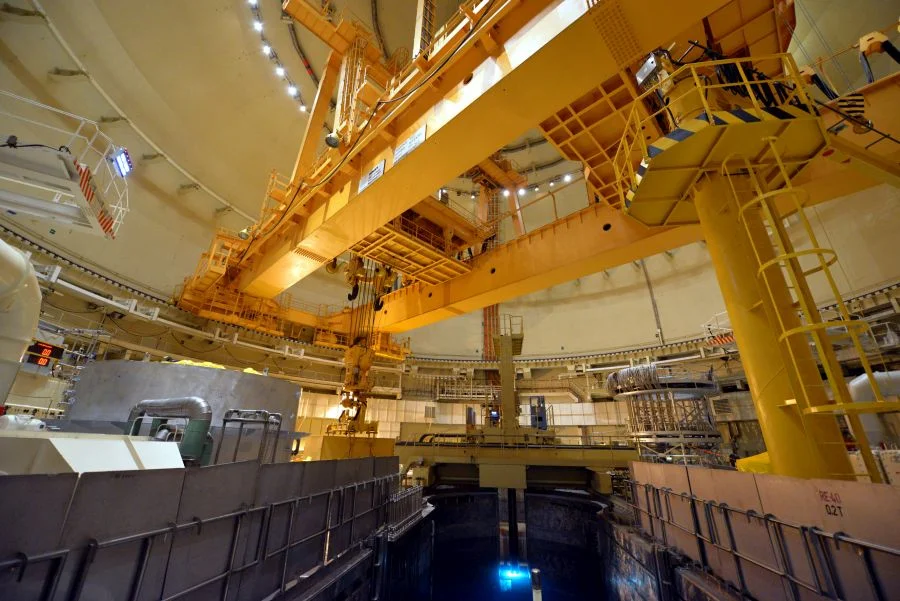
Photo: Temelín | ČEZ
Around 40 per cent of Czech electricity consumption
Last year, ČEZ’s nuclear power plants generated more than 32 terawatt-hours of electricity for the first time. The company plans lower production in 2026, as two shutdowns for refuelling and inspections are scheduled at Temelín this year.
Temelín and Dukovany are among the Czech Republic’s most important sources of electricity without direct CO₂ emissions. Together, they currently cover around 40 per cent of Czech electricity consumption.
Tags
More from Business
Ahold Delhaize to acquire Tesco in the Czech Republic and Slovakia

Škoda Auto grows worldwide and consolidates second place in Europe
