


Study Highlights Growing Loss of Czech Scientific Talent to Foreign Countries
According to a new analysis, low salaries are only one of several reasons why highly qualified professionals are leaving the country
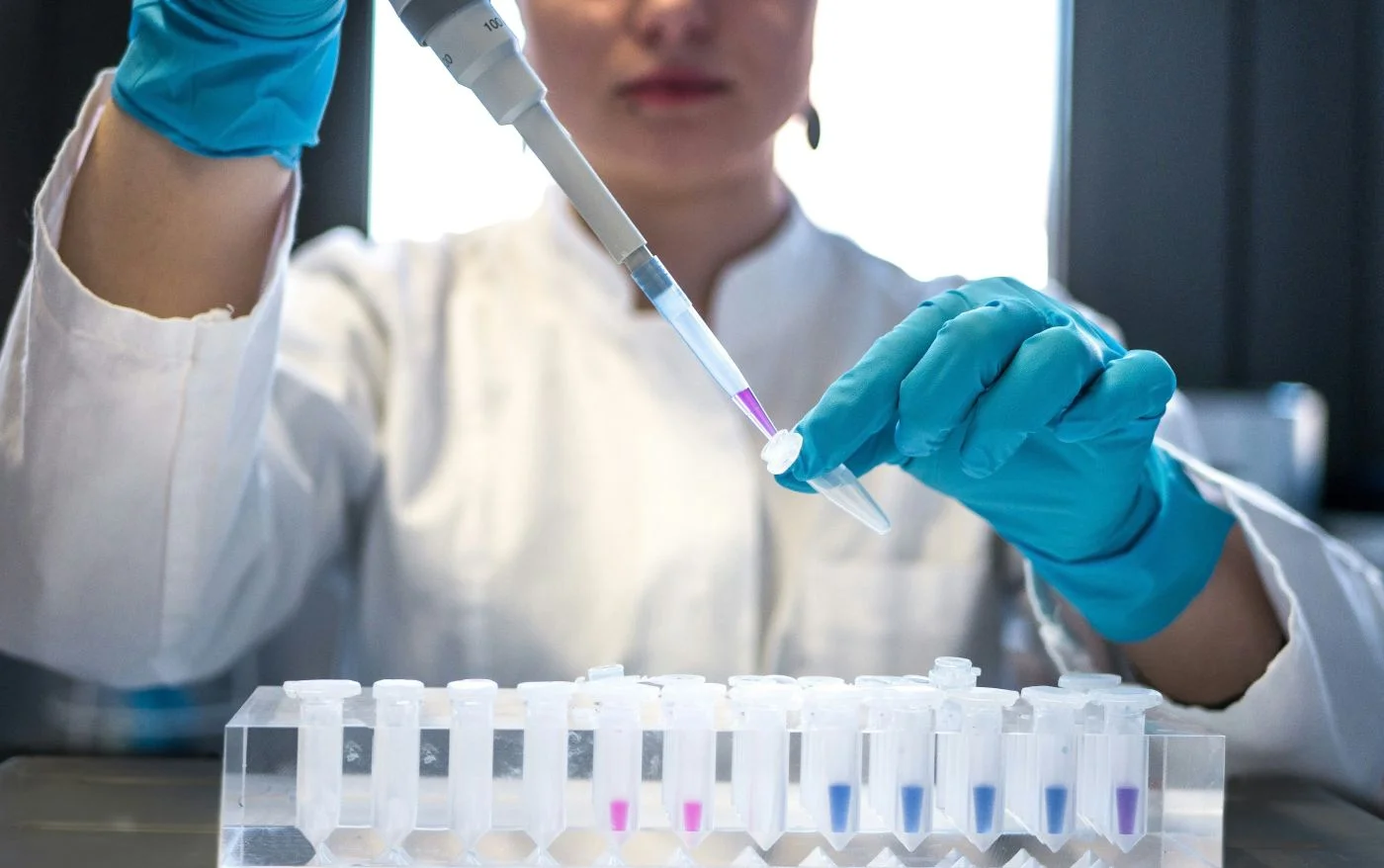
Foto: Julia Koblitz | Unsplash
An increasing number of Czech scientists are building their careers abroad permanently. A new study shows that only a small proportion plan to return to the Czech Republic. Among the reasons cited by many respondents are a lack of transparency and problematic structures at universities.
The Czech Republic continues to lose a large proportion of its scientific talent to other countries. According to a study by the organisation Czexpats in Science, only around one in ten Czech scientists working abroad plans to return home. In addition to low salaries, many respondents identified a lack of transparency, nepotism and what they see as an outdated higher education system as key problems.
According to the organisation, several thousand Czech scientists are currently working at research institutions abroad. An accompanying survey shows that only ten per cent “definitely” plan to return to the Czech Republic. Around one third rather rule out returning, while more than half remain undecided.
“The return of only around ten per cent of scientists is a major defeat for Czech science and the economy,” said Matouš Glanc, Director of Czexpats in Science. The aim, he said, should be to bring back at least a significantly larger proportion of professionals currently working abroad.
Many respondents were particularly critical of working conditions at Czech universities. In addition to salaries, they mainly pointed to non-transparent selection procedures, academic “inbreeding” – meaning the preferential hiring of a university’s own graduates – as well as a lack of openness towards applicants from abroad.
More than half of the participants described these factors as a major obstacle to returning. Several scientists described an environment in which open positions were often filled informally and not advertised through transparent recruitment procedures.
According to the study, women also reported negative experiences, including sexism and a lack of institutional support. Some researchers said they had left their positions after pointing to unethical practices.
Despite the criticism, there remains strong interest in cooperation with Czech institutions. More than 80 per cent of respondents said they would like to cooperate more closely with Czech science and research.
The authors of the study pointed to the Finnish higher education model as a possible example. In Finland, the powers of university management were strengthened and strategic decisions were increasingly transferred to administrative boards with external members. At the same time, academic bodies retained an oversight role.
In the Czech Republic, changes could take place in the coming years. Education Minister Robert Plaga plans to present a new draft law for the higher education sector later this year. In addition to the Institut pro rozvoj vysokého školství, Czexpats in Science is also involved in the preparations.
The authors of the study see this as a crucial opportunity for the country’s future. Without fundamental reforms, they warn, the Czech Republic risks continuing to lose highly qualified talent abroad instead of becoming an international centre for science and innovation itself.
More from Business

Over One Million Cars Already Produced in the Czech Republic in 2026