

Analysis: 157,000 New Homes Currently in Preparation in Prague
However, the homes are still not reaching the market in sufficient numbers
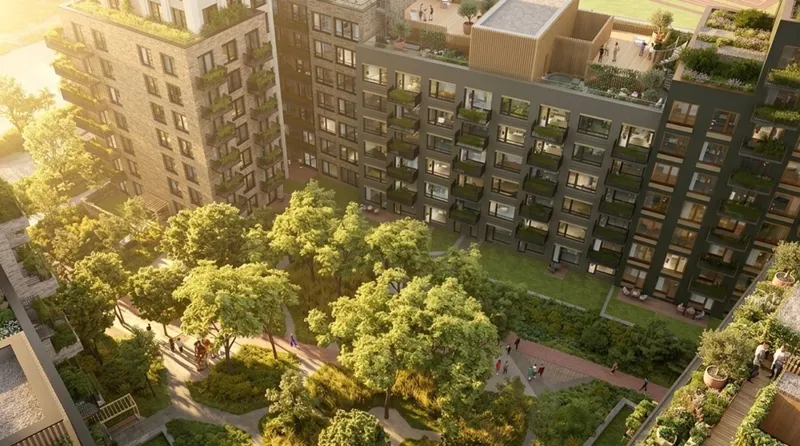
Foto: Central Group
A record 157,000 homes are currently in various stages of planning and permitting across Prague, highlighting the scale of future residential development in the Czech capital. However, experts warn that slow approval processes continue to prevent enough new homes from reaching the market.
Despite a record volume of planned residential development projects, the situation on Prague’s housing market remains strained. According to recent analyses, around 157,000 new homes are currently in various stages of planning and permitting in the Czech capital. Approximately one quarter of these projects is being prepared by the Czech Republic’s largest residential developer, Central Group.
However, the homes are still not reaching the market in sufficient numbers. Lengthy permitting procedures are considered the main reason, having slowed residential construction for years. The result is rising prices, persistently strong demand and increasingly poor housing affordability.
Prague’s residential market continues to record strong demand in 2026. In the first quarter, around 1,800 newly built homes were sold in the capital – a figure similar to that recorded at the end of last year. Demand therefore remains at the level seen over the past two years.
In contrast, supply remains limited. For several years, the number of available new-build homes has stood at only around 5,000 units. As a result, the market is expanding significantly more slowly than demand and the metropolitan area’s population growth would require. Average prices for new-build homes have now risen to CZK 182,000 per square metre. The shortage of new homes is also increasingly affecting the market for existing properties as well as the rental housing sector.

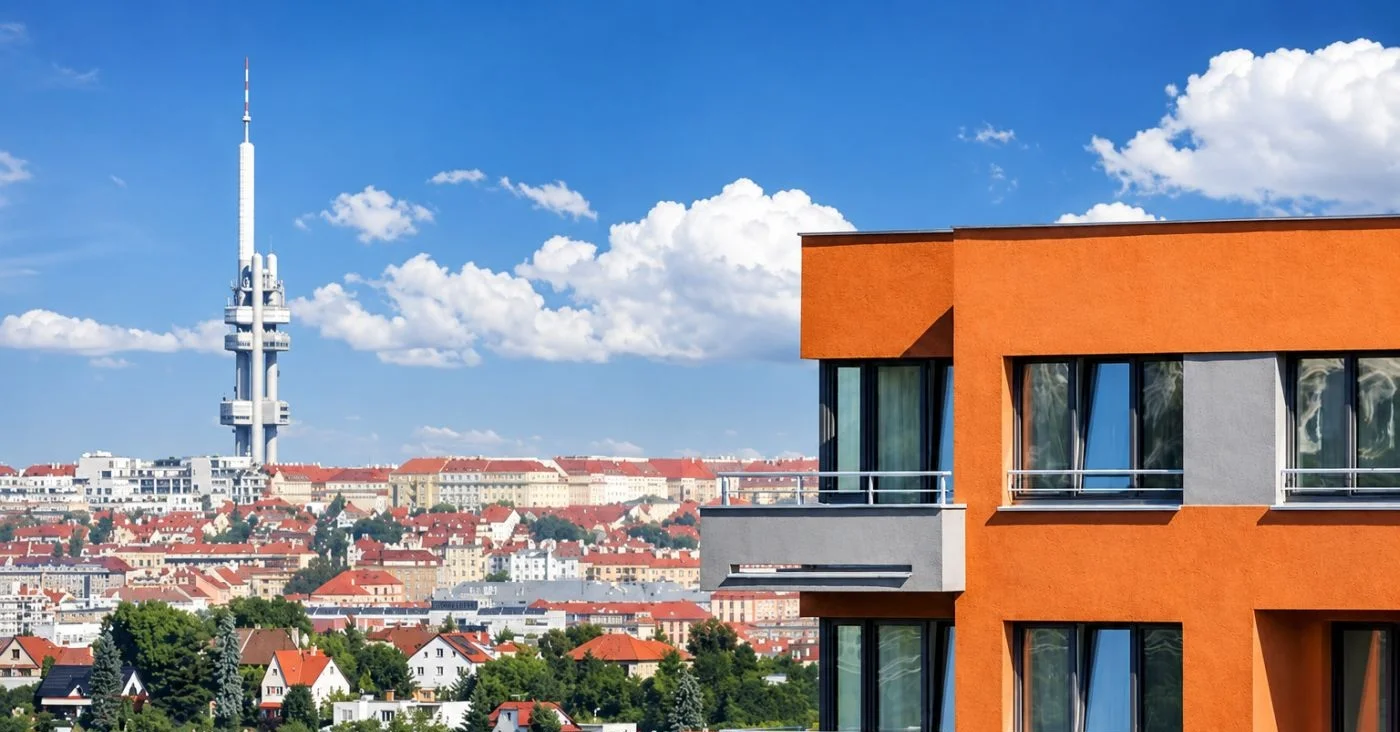
Foto: Ümit Yıldırım | Unsplash
Rising Construction Costs Make New Projects More Difficult
Additional pressure is being created by rising construction costs. According to Central Group, prices for construction work have increased by 27 per cent over the past two years. This has made the economic viability of new residential development projects considerably more challenging.
At the same time, the construction sector is still benefiting from projects that were postponed during the economically difficult years of 2022 and 2023 and have been gradually implemented since 2024. Industry representatives warn, however, that this effect may only be temporary.
Record Number of Planned Homes Meets Slow Permitting Process
According to the latest analysis, the 157,000 planned homes are at various stages of development. Future construction activity is expected to be concentrated particularly in Prague 4, Prague 5 and Prague 9, where larger development sites and former industrial areas are located. In the historic city centre, opportunities for new residential development projects remain severely limited.
Despite the high number of projects in preparation, only around 5,000 homes receive planning approval each year. Experts estimate that at least twice as many homes would be required to meet the capital’s housing needs.

Foto: Central Group
As a result, a housing deficit of almost 100,000 units has accumulated over the past 20 years. The situation regarding planning approvals is considered particularly critical. Last year saw the lowest number of approvals recorded in 25 years. The first months of the current year have likewise failed to bring any fundamental improvement.
Prague Among the Most Expensive Housing Markets in Central Europe
The difficult situation is increasingly reflected in housing affordability. According to the latest CG Index, a buyer today requires an average of 15.9 years of gross salary to purchase a new 70-square-metre apartment in Prague.
While prices for new-build homes have risen by almost 180 per cent over the past ten years, wages have increased by only slightly more than 80 per cent during the same period. Compared with ten years ago, buyers now need almost six additional annual salaries to finance an average new-build home.
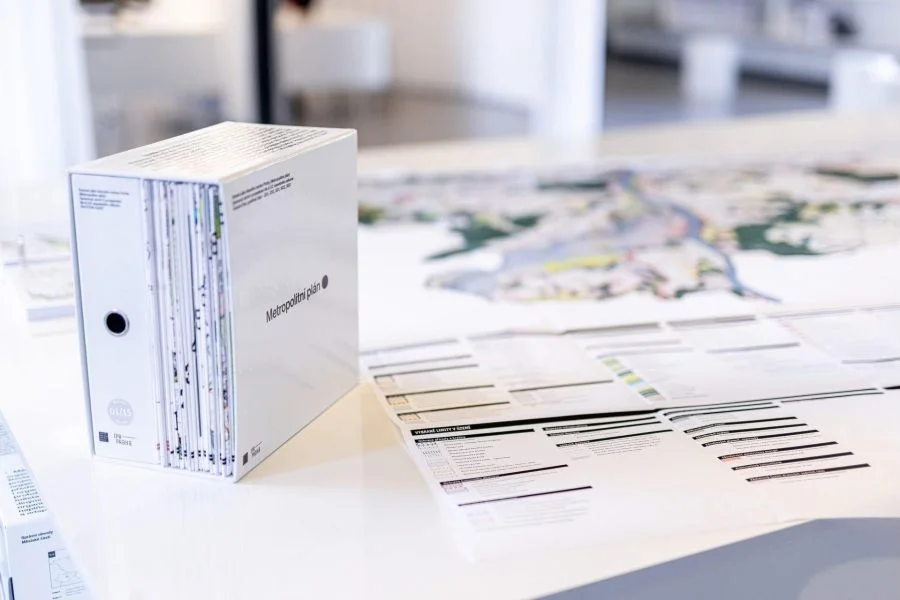
Foto: IPR Praha
New Land Use Plan Intended to Accelerate Housing Construction
Hopes for improvement are focused on Prague’s newly adopted land use plan. It replaces the previous plan from 1999 and provides the basis for the development of large brownfield sites and transformation areas.
Industry representatives emphasise, however, that this merely establishes the necessary framework. What is now crucial is a significant acceleration of permitting procedures. This is expected to be achieved through the comprehensive amendment to the Building Act currently being discussed in Parliament.
Among other measures, the reform provides for a central state building authority, the partial integration of participating authorities and faster decision-making procedures. For larger residential development projects deemed to be in the public interest, the new system is expected to apply from 1 January 2027.
More from Real Estate
Metropolis Tower Praha: Prague’s Third-Tallest Residential Tower Rising in Malešice
Czech Competition Authority Approves Two Property Acquisitions by PPF Group