


Drug Report 2025: Cocaine increasingly becoming a party drug in the Czech Republic – Police warn of synthetic substances
Annual report by the National Drug Headquarters reveals profound changes in the Czech drug market
Foto: Policie České republiky
Cocaine, synthetic drugs and new distribution methods are increasingly reshaping the Czech drug market. The latest annual report by the National Drug Headquarters warns of the growing spread of high-risk substances and an increasingly professional drug trade.
The Czech drug market is changing rapidly. While cannabis remains the most widely used drug, cocaine, synthetic cannabinoids and new psychoactive substances are becoming increasingly significant. At the same time, drug trafficking is shifting more and more to the internet. These are the findings of the National Drug Headquarters' 2025 annual report, published on the occasion of the International Day Against Drug Abuse.
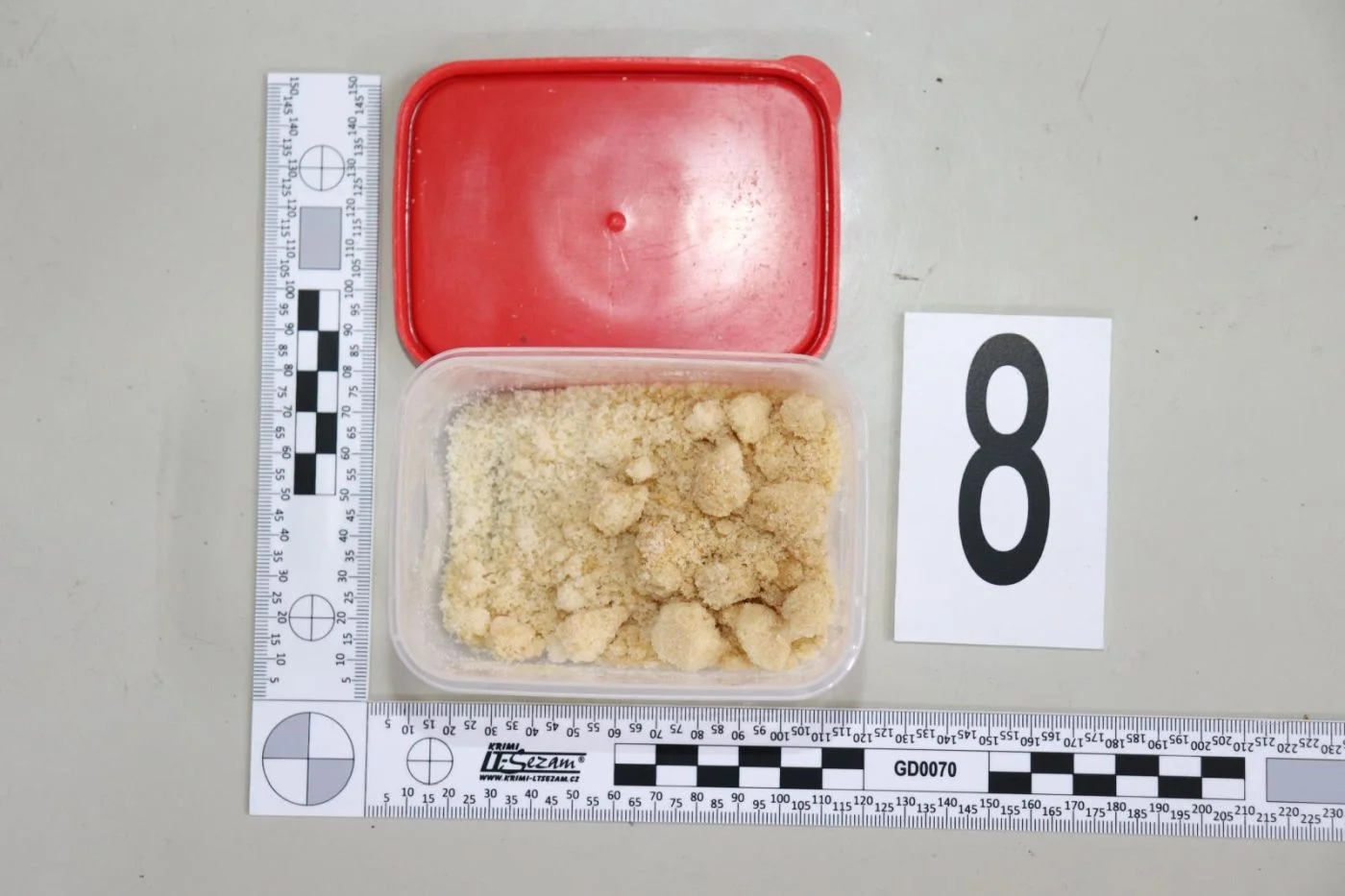
According to investigators, cocaine use has increased significantly in Czechia. The main reason is the continuing overproduction in South America, allowing large quantities to reach Europe. As a result, prices remain stable or are even falling. Cocaine is increasingly losing its reputation as a drug for wealthy consumers and is becoming more commonly used as a typical party drug.
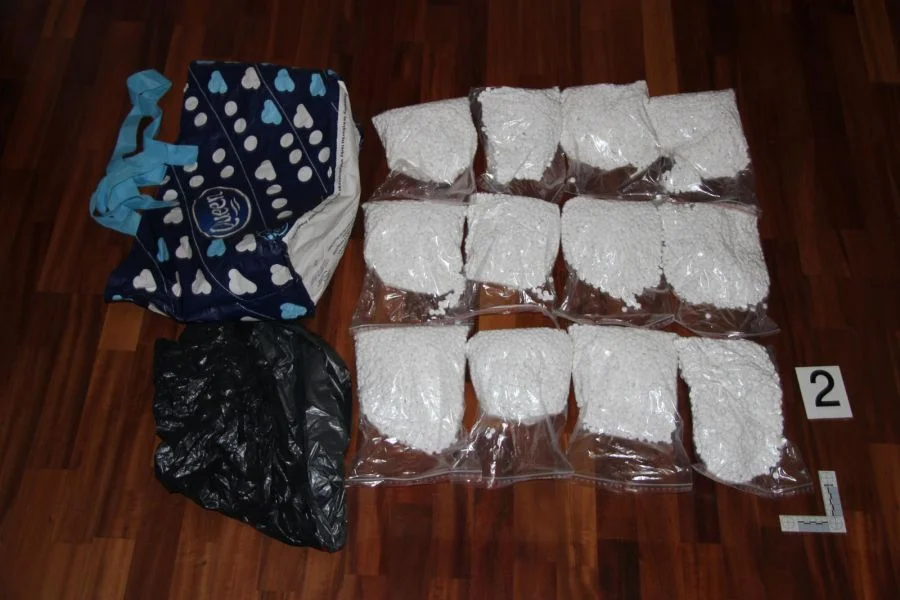
Foto: Policie České republiky
However, methamphetamine (pervitin) remains the country's greatest health, social and criminal challenge. In addition to the well-known illegal small-scale laboratories, investigators are increasingly observing imports of industrially manufactured methamphetamine from Western Europe. It is then further processed or mixed with domestic production in order to increase profits.
Sharp rise in synthetic cathinones such as mephedrone and clephedrone
According to the report, the sharp increase in synthetic cathinones (stimulant designer drugs) such as mephedrone and clephedrone is particularly alarming. These substances are regarded as a cheaper alternative to traditional stimulants but carry a significantly higher risk to health and a greater potential for addiction. They are often produced on an industrial scale with the involvement of international organised criminal groups. Their manufacture also generates substantial quantities of highly toxic waste, much of which is illegally disposed of in the environment.
Although home cultivation of cannabis has been partially legalised in Czechia since 2026, the black market continues to exist. Instead of large plantations, increasingly smaller, technologically advanced facilities are emerging, consuming less energy and being more difficult to detect.
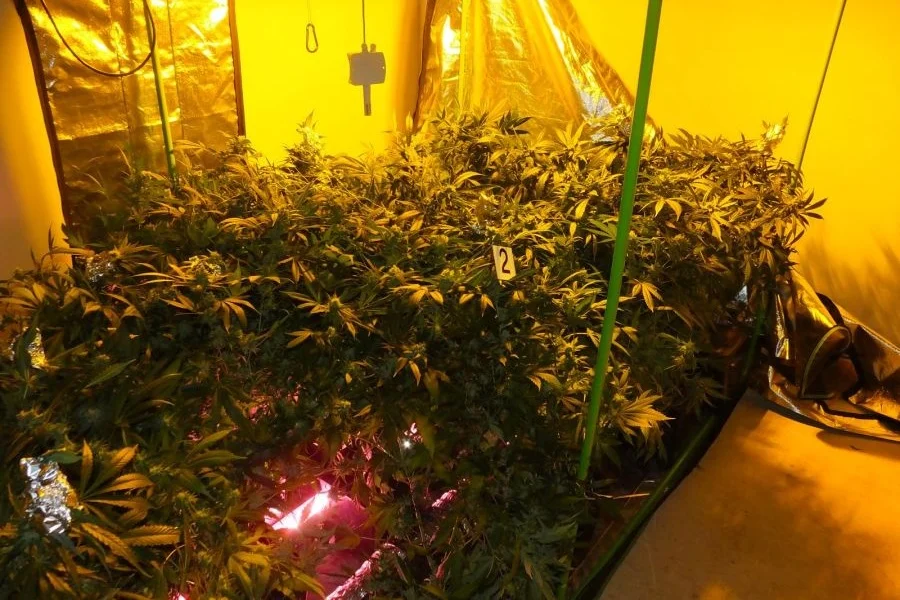
Foto: Policie České republiky
At the same time, the market for synthetic and semi-synthetic cannabinoids continues to grow. These products are frequently sold as sweets or liquids for e-cigarettes and are particularly targeted at young people and tourists. They are often labelled as collectors' items or decorative products, while the actual ingredients frequently do not match the information on the packaging. Some contain prohibited substances posing significant health risks.
Street dealing continues to decline as dealers turn to messaging apps and cryptocurrencies
Traditional street dealing continues to lose importance. Communication is increasingly carried out via encrypted messaging services. Drugs are delivered by courier or left at pre-arranged locations. Payments are increasingly made using cryptocurrencies, making transactions considerably more difficult for investigators to trace.
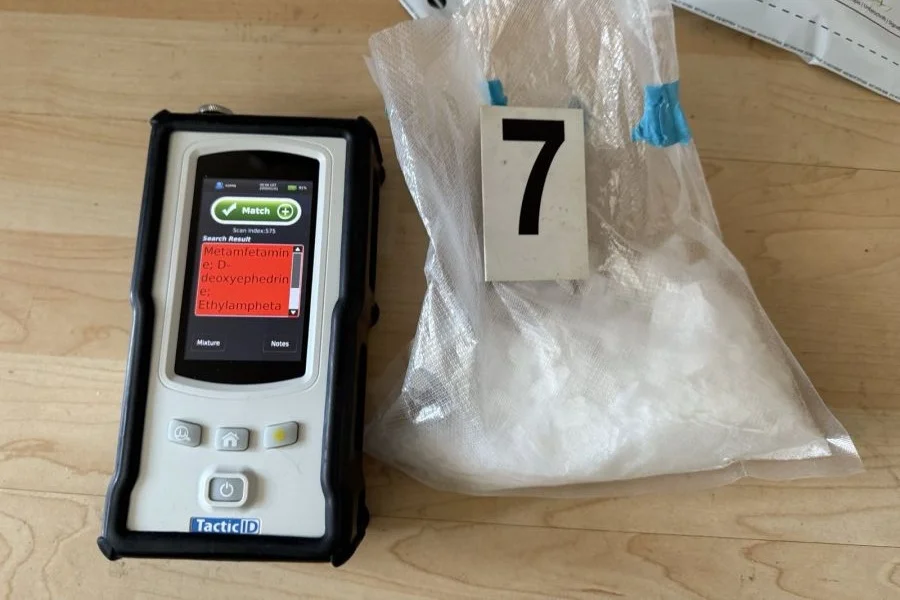
Foto: Policie České republiky
Another growing trend is the misuse of anabolic steroids. These are no longer used exclusively in professional sport but increasingly by young people for recreational purposes. Investigators have also observed closer links between the steroid trade and the market for traditional drugs, particularly around gyms. In addition to illegal and counterfeit anabolic steroids, so-called SARMs and peptides are also becoming more widespread. They are often marketed as harmless despite posing significant health risks.
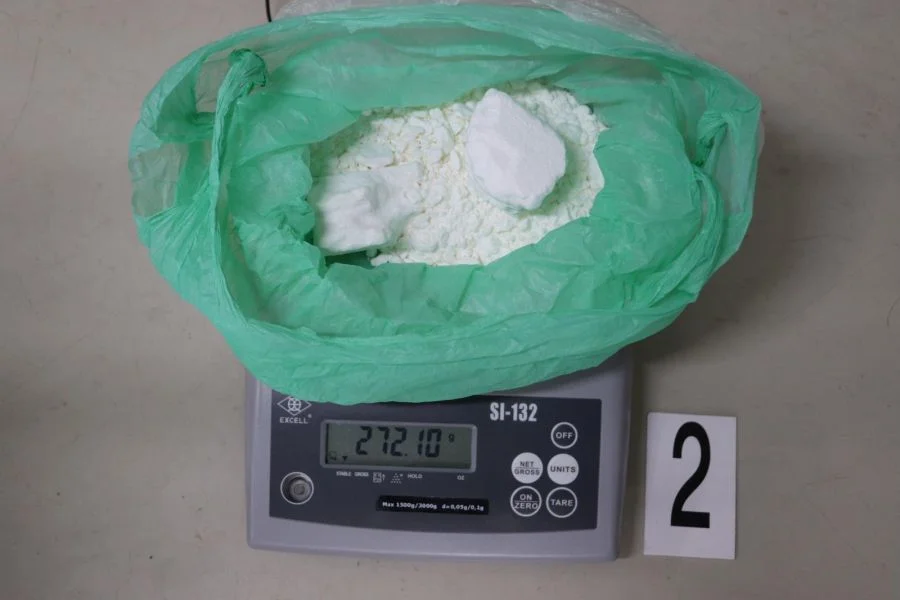
Foto: Policie České republiky
The authorities also warn about products with unknown compositions. In many cases, so-called "Pink Cocaine" does not contain any cocaine at all but consists of mixtures of various drugs such as ketamine, MDMA or opioids. The active ingredient content of ecstasy tablets is also continuing to increase. In addition, they are increasingly found to contain substances other than those stated, significantly raising the risk of severe poisoning and life-threatening overdoses.
More from News

Prague Ambulance Service Receives 25 New Ambulances

Prague Metro D: Tunnelling Begins in Nové Dvory