

Prague in European Comparison: Housing Remains Expensive, Public Transport Excels – Number of Cars Continues to Rise
From housing and mobility to work, education and leisure – Prague compared with eleven European partner cities
Foto: Dmitry Goykolov | Unsplash
A analysis compares everyday life in Europe's metropolitan areas – Prague stands out with one of the best public transport systems but continues to struggle with high housing costs and a growing number of cars.
Prague is among the European metropolitan areas with the best public transport infrastructure. At the same time, home ownership in the Czech capital is less affordable than in any of the other cities included in the comparison. This is one of the findings of the updated study Prague in the European Context by the Prague Institute of Planning and Development (IPR).
The analysis follows residents through their daily lives – from housing and mobility to work, education and leisure – and compares Prague with eleven European partner cities. The IPR relies not only on publicly available data but also verifies the information directly with the participating cities.
Home Ownership Least Affordable in Prague
The study shows that home ownership has become less affordable in most European metropolitan areas. However, this trend is particularly pronounced in Prague. Buyers now need more than 13 gross annual salaries to purchase a flat – a level similar to Barcelona, Munich and Amsterdam.
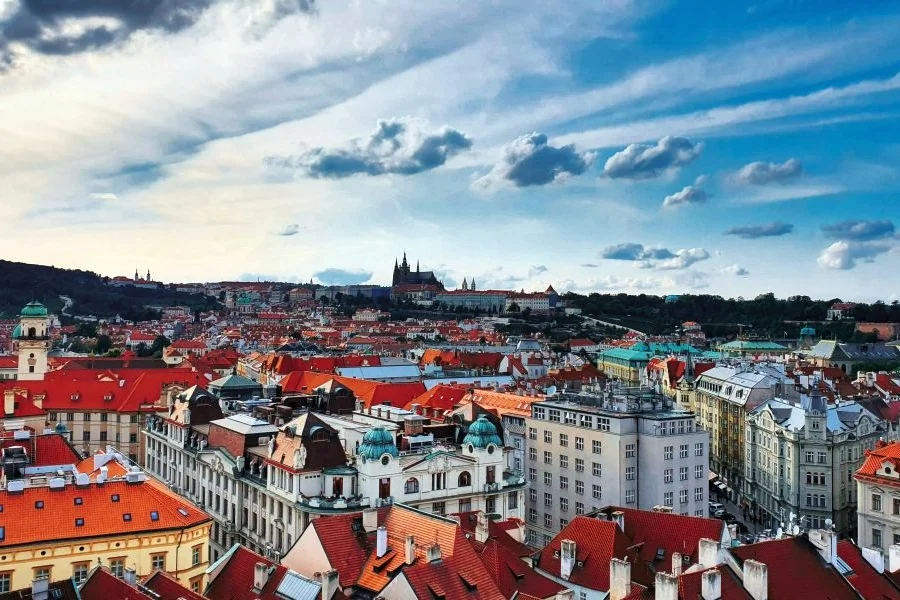
Foto: Minku Kang | Unsplash
The rental market offers little relief either. On average, Prague residents spend around 40 per cent of their income on renting a 60-square-metre flat. By comparison, the figure is 28 per cent in Munich and just 14 per cent in Vienna.
Good Job Prospects – but Lower Incomes
According to the study, Prague continues to have the lowest unemployment rate among the cities surveyed. Finding a job is comparatively easy. Nevertheless, real incomes remain below those in most Western European metropolitan areas.
According to the IPR, employees in Munich earn on average around one and a half times as much as workers in Prague. While incomes in Munich have largely stagnated in recent years, Copenhagen continues to record steady wage growth. Regionally, Prague ranks in the middle in terms of income, but there is still considerable catching up to do by European standards.

Foto: Scott Graham | Unsplash
Working hours, on the other hand, have developed positively. Prague residents now work an average of just under 39 hours per week – almost two hours less than ten years ago. Even so, the average working week remains around three hours longer than in Western Europe.
Public Transport Among Europe's Best
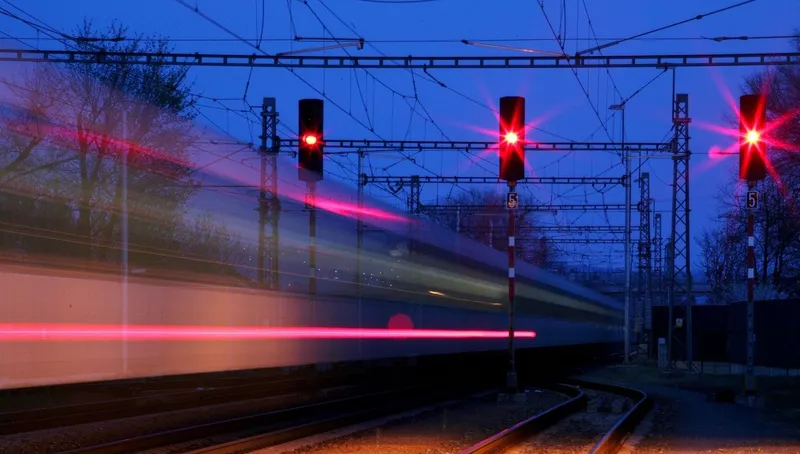
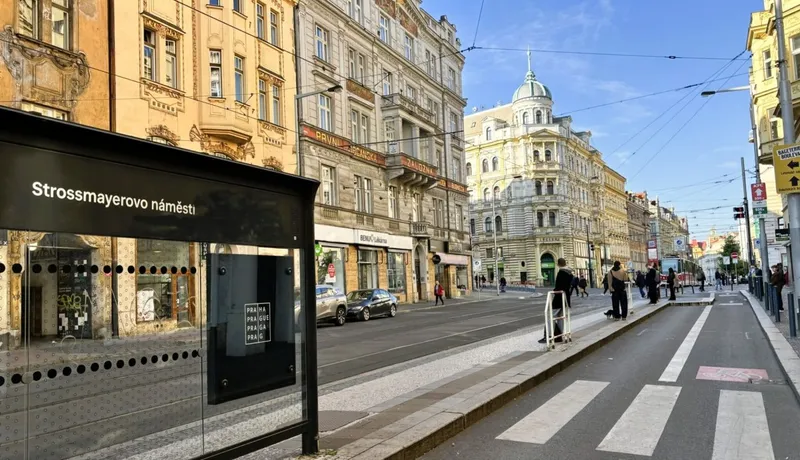
Prague performs particularly well in public transport. Around seven in ten residents regularly use buses, trams or the metro, and 87 per cent are satisfied with the service.
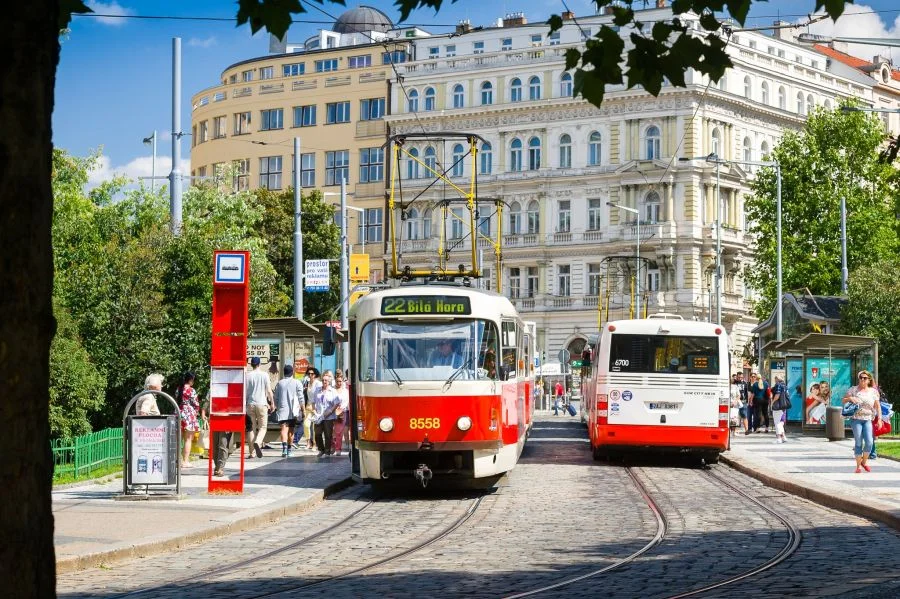
Foto: Dopravní podnik hl. m. Prahy
Compared with other European cities, Prague stands out for its high reliability, dense network and affordable fares. The city also has one of Europe's largest tram networks relative to its population. Its metro network is similarly extensive, more comparable in size to those of major Western European cities than to those of comparable post-communist capitals such as Warsaw or Budapest.
Number of Cars Continues to Rise Despite Excellent Public Transport
Despite its efficient public transport system, the number of cars in Prague continues to grow. Together with Warsaw and Bucharest, Prague is among the few European capitals where the number of registered vehicles is still rising significantly.
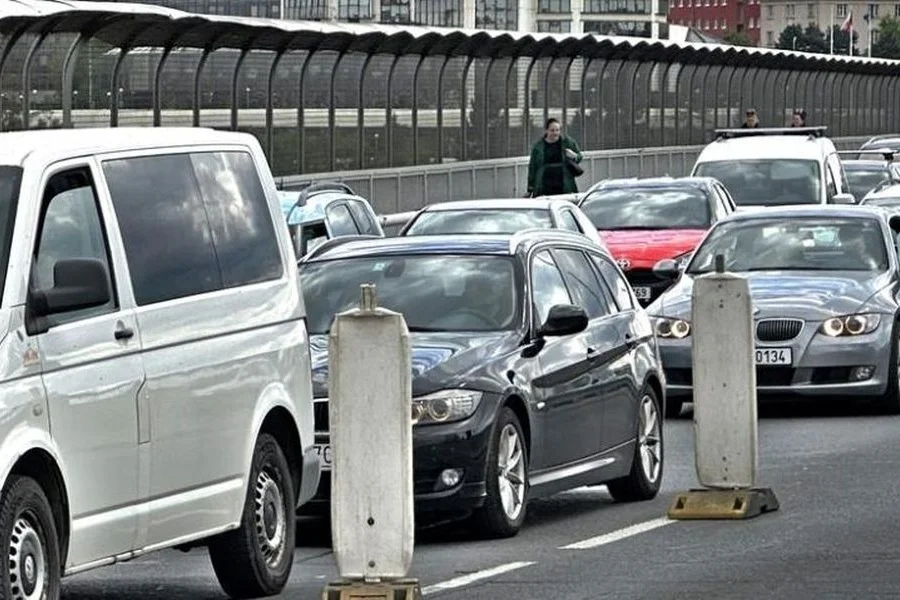
Foto: Portál hlavního města Prahy
By contrast, cities such as Stockholm, Copenhagen and Vienna have around one-third to one-half fewer cars per resident. At the same time, the share of electric and hybrid vehicles is considerably higher.
According to the authors, the growing number and size of vehicles in Prague lead to more congestion, a higher accident burden and greater pressure on public space, while also contributing to air pollution.
The full analysis is available on the website of IPR Prague.