


Czech Government Reactivates National Coalition to Combat Drought
The ten-member body, chaired by Prime Minister Andrej Babiš, will coordinate measures to retain water in the landscape
Foto: Vláda České republiky
The persistent drought and low groundwater levels are causing growing concern within the Czech government. The reactivated expert body will now review existing measures and prepare further steps to tackle water shortages.
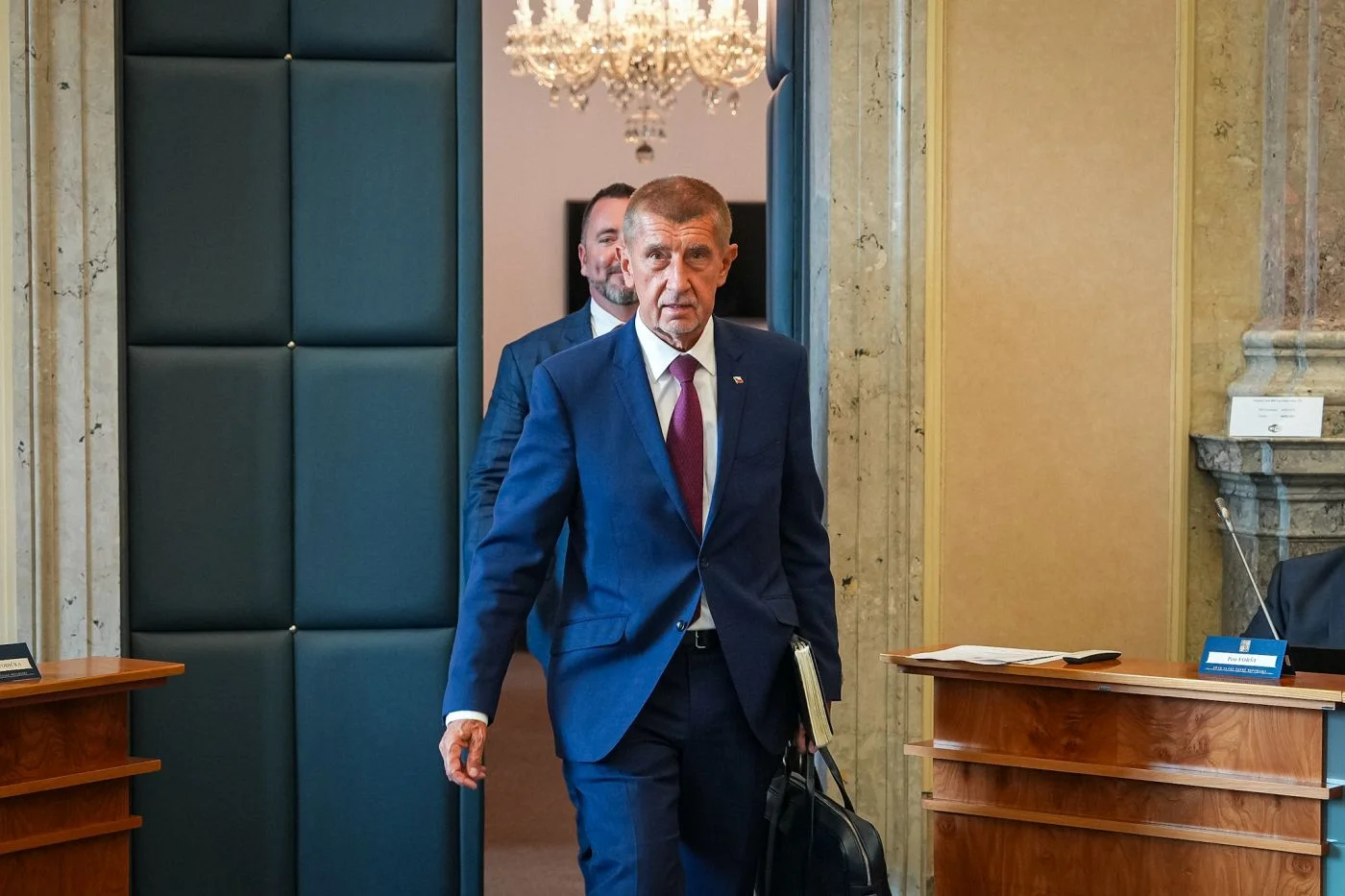
The Czech government has reactivated the National Coalition to Combat Drought. At its first meeting following the summer recess on Monday, Prime Minister Andrej Babiš’s cabinet focused primarily on the current drought and measures to improve water retention in the landscape.
“Between 1 January and 10 August this year, the Czech Republic recorded the lowest amount of rainfall for the same period since 1961,” Babiš said. Around 70 per cent of the monitored groundwater reserves are currently experiencing severe or exceptional drought conditions.
Ten-Member Body Chaired by Babiš
The coalition will consist of ten members and will be chaired by Prime Minister Babiš. Its members will include Agriculture Minister Martin Šebestyán and Environment Minister Igor Červený.
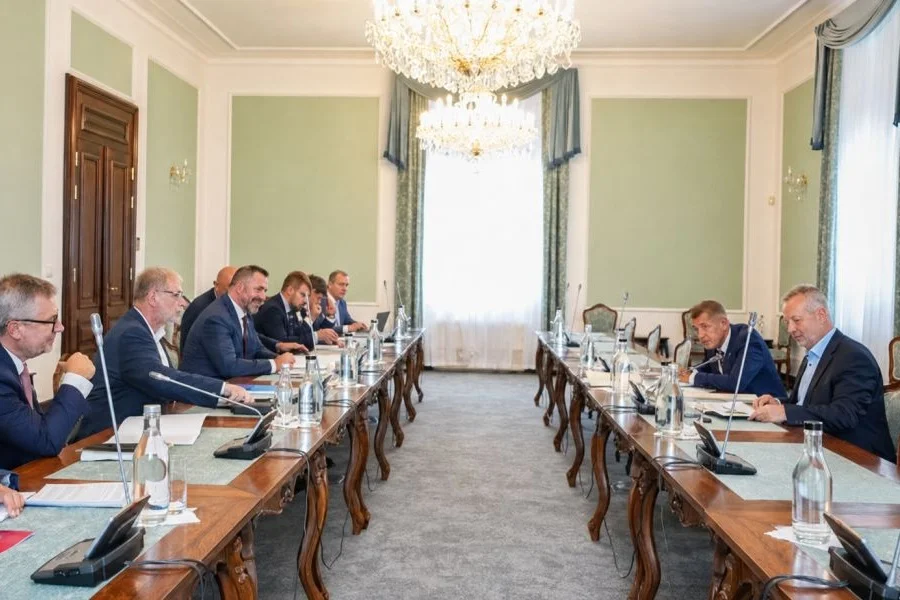
Foto: Vláda České republiky
The regions will be represented by Richard Brabec, who also serves as the prime minister’s environmental adviser. Czech experts on drought and water management will also participate.
Thousands of Projects Funded Since 2015
According to Babiš, the government has been addressing the effects of increasing drought since 2015. A national strategy to protect against the effects of drought was adopted in 2017. One year later, the National Coalition to Combat Drought was established for the first time.
Since 2015, around 21,000 projects worth a total of CZK 16.5 billion have been supported. These include measures to retain water in the landscape and the “Dešťovka” subsidy programme, which supports the use of rainwater, among other initiatives.
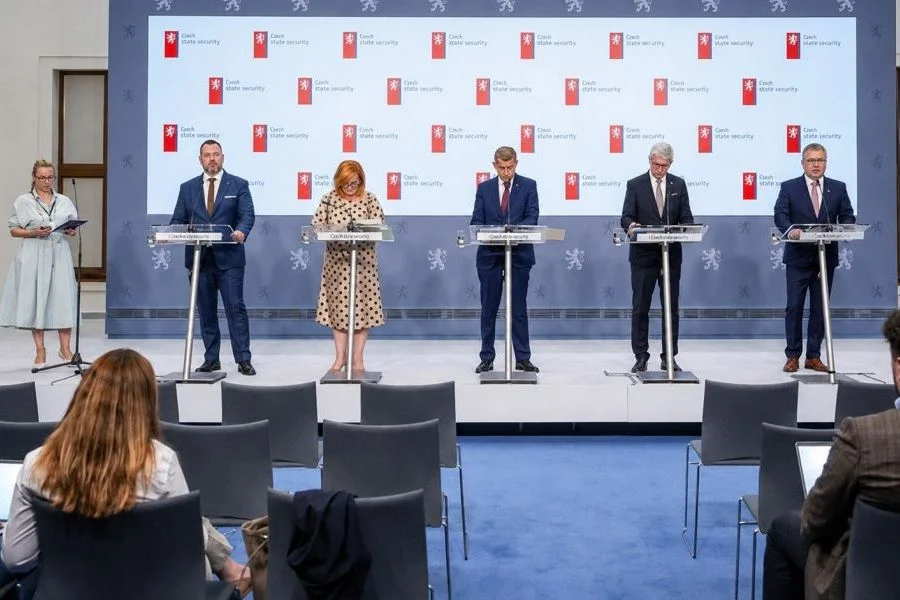
Foto: Vláda České republiky
Further Government Decisions
The government also decided to transfer CzechTourism from the Ministry for Regional Development to the Ministry of Industry and Trade on 1 October. The tourism agency will later become part of the newly established CzechBusiness agency, which is intended to bring together export promotion, investment, start-ups and tourism.
The cabinet also approved the spatial development plan for the proposed high-speed railway between Praha-Vršovice and Praha-Běchovice.
Further decisions concerned consumer protection and public administration. In future, liability rules for defective products will also cover software, digital products and AI systems. At the same time, the cabinet decided to abolish the existing EU information strategy and the regional Eurocentres and to develop a new concept.
More from Politics & Education

Czech Republic Prepares for the 2026 Municipal and Senate Elections

Prague Commemorates Václav Havel with a Full-Day Programme