

Czech Republic Reintroduces Fuel Price Caps
Excise duty on diesel to fall to the European minimum in October – government responds to rising oil and fuel prices
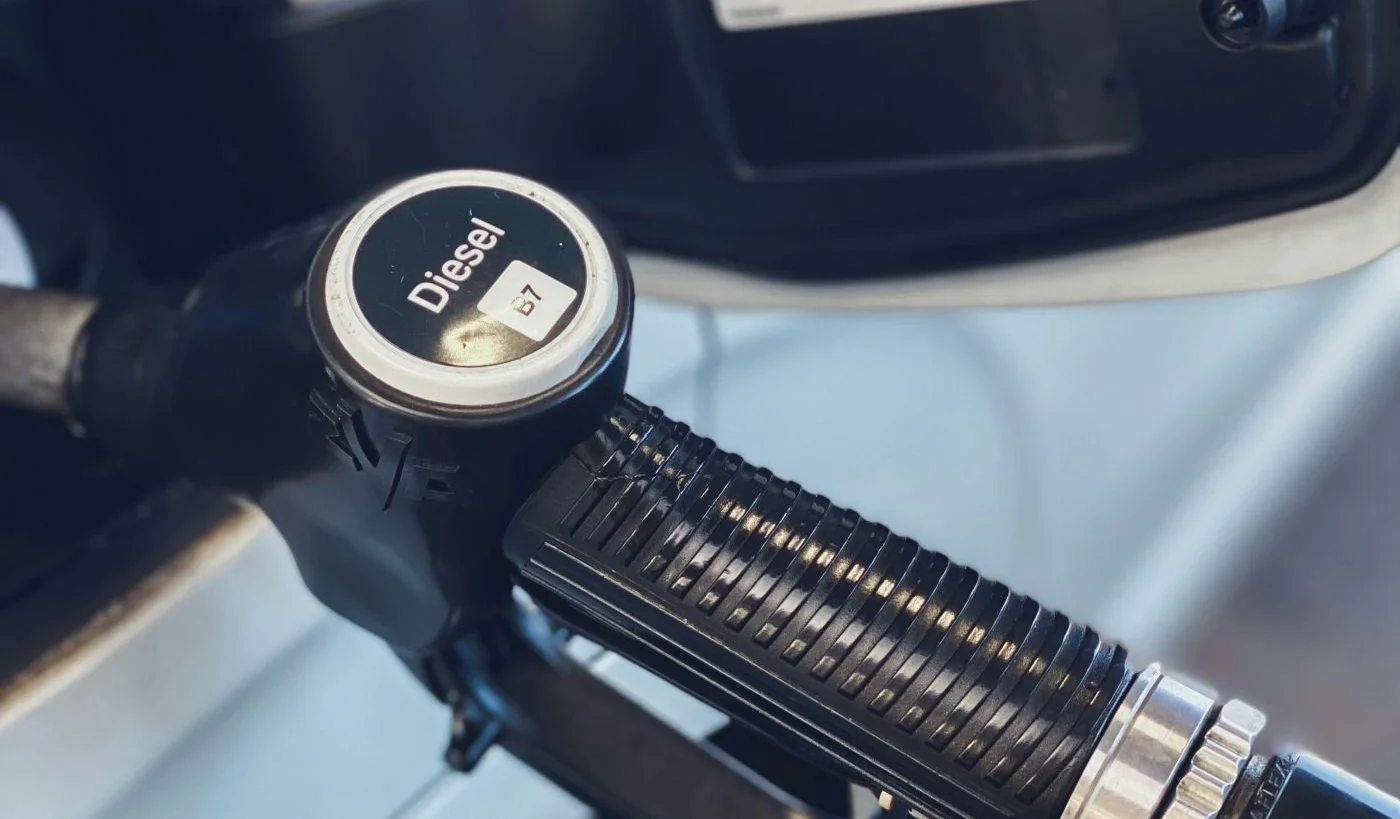
Photo: Engin Akyurt | Unsplash
The Czech government is reintroducing fuel price regulation in October. At the same time, excise duty on diesel will be reduced for one month. The Czech Republic is responding to the escalation of the conflict in the Middle East and restrictions on Saudi oil supplies to European refineries.
The measures will apply from 1 to 31 October 2026. According to the government, they are intended to cushion growing price pressure in the wholesale and retail sectors and provide relief to businesses and private households.
“From 1 October, we are reintroducing the proven regulation of fuel prices while simultaneously reducing excise duty on diesel to the European minimum for one month,” Finance Minister Alena Schillerová said. The measures would have a significant dampening effect on inflation and help keep fuel prices in the Czech Republic among the lowest in the European Union.
Maximum prices to be set daily
The new regulation is based on the previous price controls, which expired on 19 July 2026. On each working day, the Finance Ministry will announce the maximum permitted prices for petrol and diesel for the following day. On non-working days, the most recently published maximum price will apply.
The maximum prices will continue to be based on market data. They consist of average wholesale prices, including those from ČEPRO, ORLEN and MOL, as well as international Platts market prices. The capped margin of CZK 2.50 and VAT are then added.
Diesel to become CZK 2.35 per litre cheaper
At the same time, the state will waive part of the excise duty on diesel and corresponding fuel blends in October. The reduction amounts to CZK 1.939 per litre. Including VAT, diesel is therefore expected to become a total of CZK 2.35 per litre cheaper.
The tax rate will fall from the current CZK 9.95 to CZK 8.011 per litre, bringing it in line with the minimum level permitted in the European Union.
Transport companies in particular are expected to benefit from the tax reduction. At the same time, the government expects it to have a dampening effect on price developments throughout the economy. The public budget is expected to lose around CZK 1.1 billion in revenue.
More from Business

Czech Republic Permits Provisional Use of Tesla FSD Supervised