

Photo: DPP
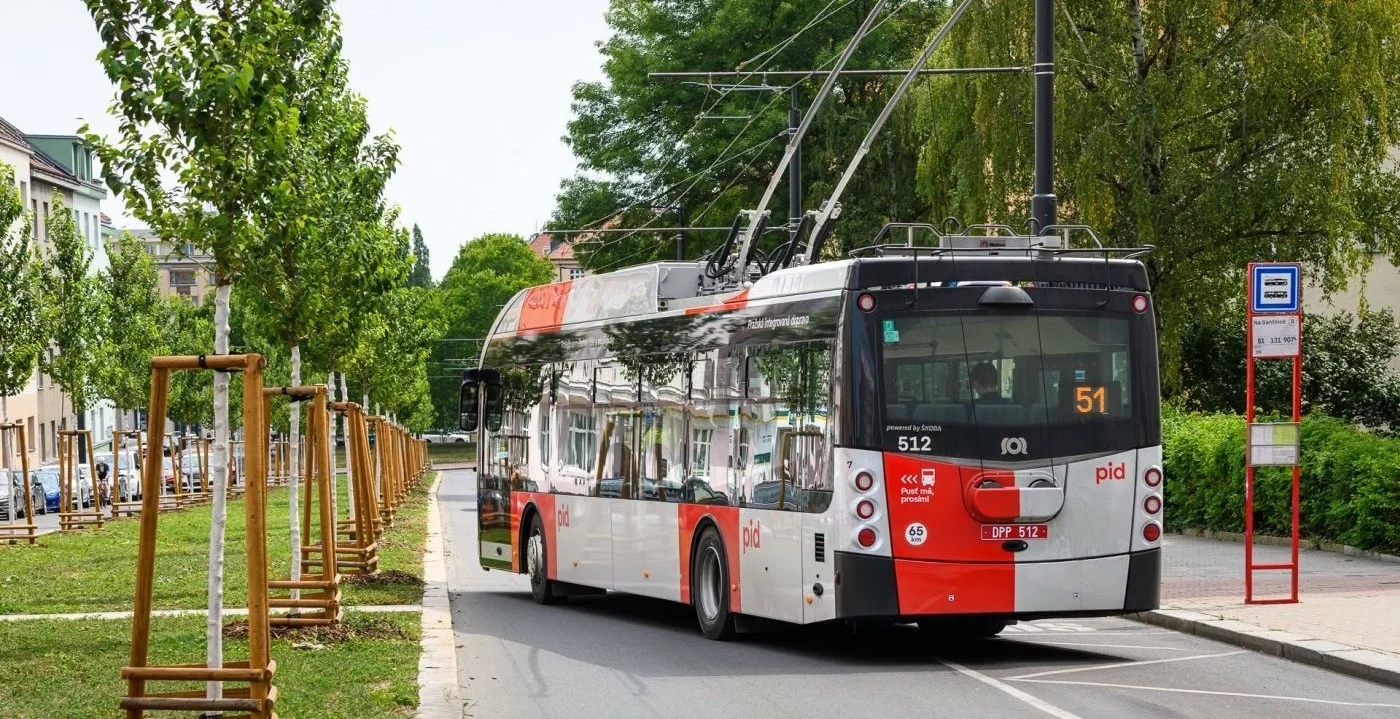
Prague Public Transport Company plans to significantly expand its trolleybus fleet. A total of up to 140 new battery trolleybuses are to be purchased for use on additional electrified bus routes in the Czech capital.
Prague Public Transport Company (Dopravní podnik hl. m. Prahy, DPP) has launched a public tender for the delivery of up to 140 new battery trolleybuses. A five-year framework agreement is to be concluded with the successful bidder.
The estimated total value of the contract is CZK 2.64 billion (excluding VAT). DPP has secured European Union funding through the IROP programme and the TRANSGov programme of the Modernisation Fund to help finance the purchase.
The expansion of the trolleybus network is part of a long-term strategy to gradually shift public transport in Prague towards lower-emission propulsion systems.
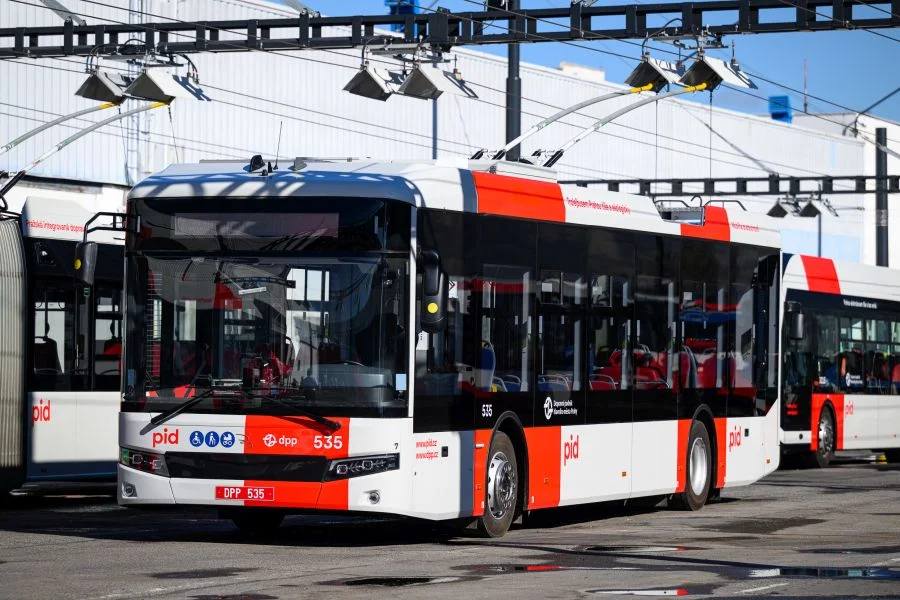
Photo: DPP
Up to 80 articulated trolleybuses and 60 standard vehicles
The tender covers up to 80 articulated trolleybuses measuring 18 metres in length and up to 60 standard vehicles measuring 12 metres. The procurement of up to 140 new replacement batteries is also planned.
The contract also includes 35 hardware and software packages for vehicle diagnostics, six mobile chargers and maintenance services outside and after the warranty period. Technical support and further development of the energy management system, as well as passenger information and ticketing systems, are also part of the tender.
Minimum battery range of 20 kilometres
DPP has set specific technical requirements for the new vehicles. Both standard and articulated trolleybuses must be capable of reaching a maximum design speed of at least 70 km/h, regardless of whether they are powered by overhead wires or their batteries.
A guaranteed range of at least 20 kilometres is required when operating solely on battery power. This must also be achieved when fully occupied, with the heating or air conditioning switched on, and under different weather and operating conditions. The range must also be guaranteed throughout the entire service life of the batteries.
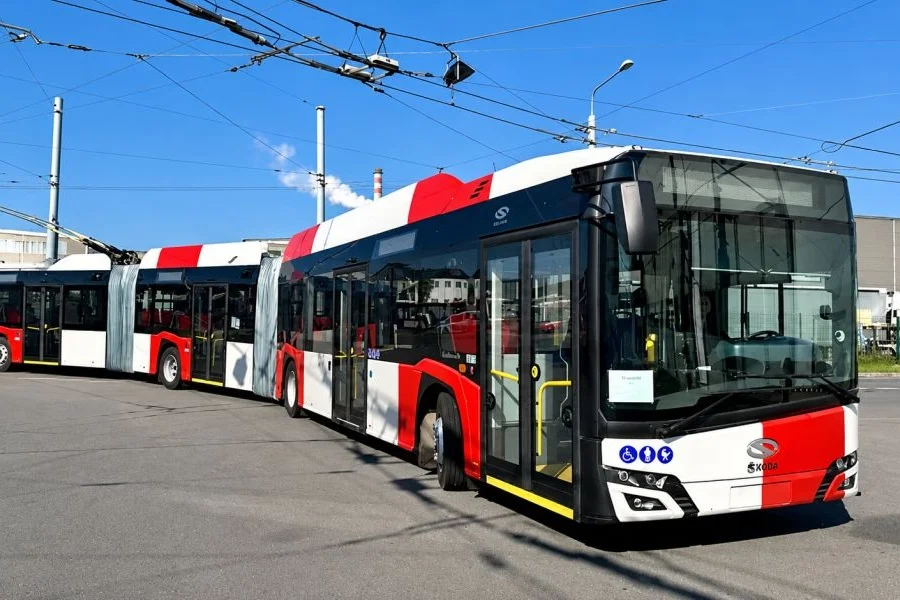
Photo: DPP
All vehicles must also be equipped with a regenerative braking system. This allows some of the energy generated during braking to be recovered and reused to power the vehicle.
Under the planned contract, DPP will be able to order between one and 20 vehicles at a time, depending on demand. The maximum delivery period is twelve months for standard trolleybuses and 14 months for articulated vehicles following the conclusion of each individual contract.
More bus routes in Prague to be electrified
With the new framework agreement, DPP aims to ensure that sufficient vehicles are available in time for the gradual expansion of the trolleybus network.
At present, the transport operator only has a framework agreement for standard trolleybuses. Of the maximum 70 vehicles covered by that agreement, 30 have been ordered so far. The remaining 40 are intended for future use on routes 191 and 201.
Additional vehicles will be needed for further electrification projects. Articulated trolleybuses are planned for routes 150, 158 and 184, among others.
With the planned procurement, Prague's public transport operator is preparing for the further expansion of its electric transport network in the coming years.
More from Business
Prague Plans Fourth Railway Track Between Běchovice and Libeň